 Lynden Siding
 Window Installation Near the Abbotsford, BC Border
Homes along the Whatcom County side of the Abbotsford, BC border deal with a specific mix of weather that most window installers treat as an afterthought. Wind-driven rain off the Strait, damp air carrying salt from the Sound, and a moss season that can run half the year all put stress on window openings that a lot of factory-standard installs simply aren't detailed for. If you're comparing bids for window replacement in this stretch of the Pacific Northwest, the installer's attention to flashing, drainage, and sealant detail matters more than the window brand printed on the sticker.
This page covers what window installation actually involves for homes in and around Abbotsford, BC and Lynden, WA — what the climate does to windows over time, what a correct installation looks like, and how our process is built around the realities of this specific area rather than a generic national playbook.
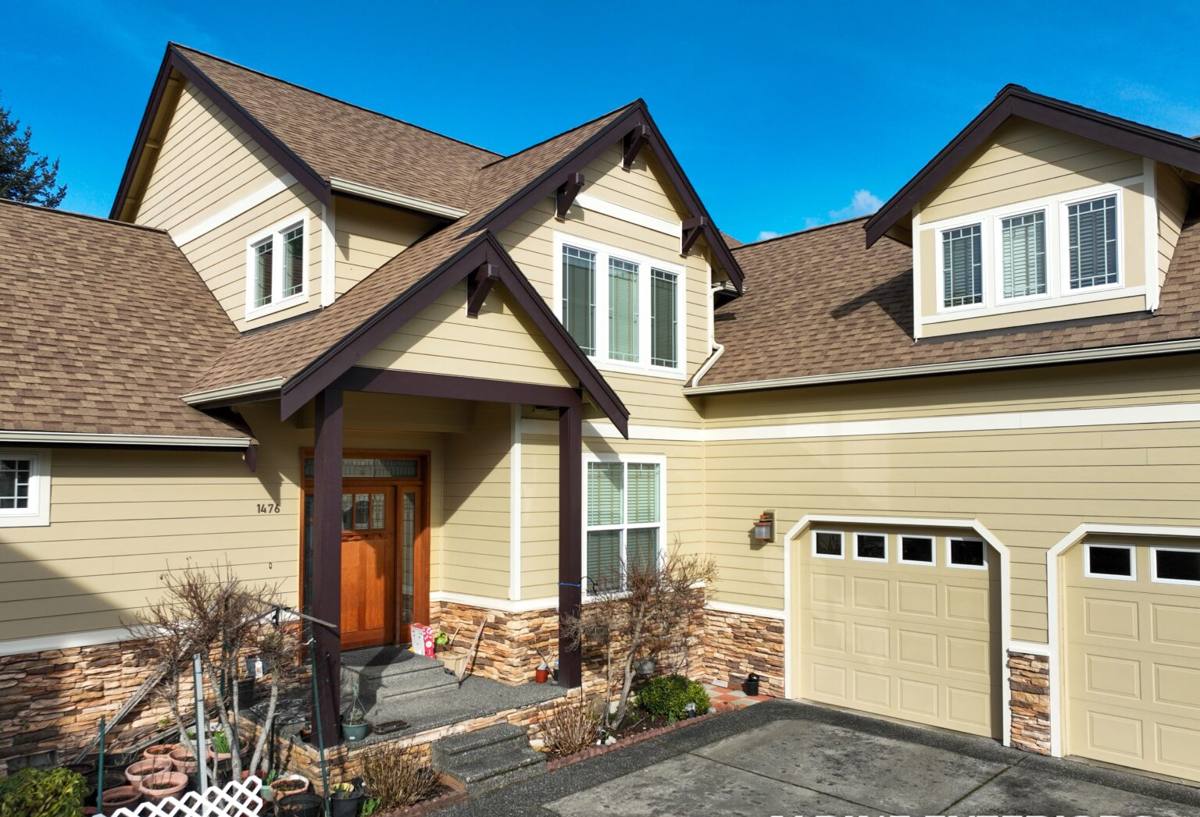
What This Climate Does to Windows Over Time
Whatcom County and the Fraser Valley border region share a marine climate that's tougher on window openings than drier parts of the state. A few things we see repeatedly on service calls and tear-outs:
- Wind-driven rain pushes water sideways into gaps that would stay dry in a calmer climate — this is why flashing and sill pan detail matter more here than the R-value on the glass.
- Salt-tinged air from the Sound accelerates corrosion on window hardware, screws, and unprotected fasteners, especially on west- and south-facing exposures.
- Moss and algae growth on siding and trim around windows holds moisture against the frame for months at a time, which shortens the life of caulking and wood trim faster than sun exposure would.
- Freeze-thaw cycling, while milder here than inland, still opens up hairline gaps in old caulk and glazing putty over enough winters.
None of this means windows fail quickly in this region — it means the installation details that don't matter much in a dry climate matter a great deal here.
Signs a Window Needs Replacing, Not Just Repair
Not every drafty or foggy window needs full replacement. Before we quote a job, we look for these signs to figure out whether repair, re-caulking, or full replacement is the honest answer:
- Fogging or a visible haze between panes of a double-pane unit — the seal has failed and the gas fill is gone; this can't be repaired, only replaced.
- Soft or spongy wood at the sill or bottom corners of the frame — usually water intrusion behind the trim, not just surface wear.
- Visible daylight or a draft you can feel at the frame edge with the window fully latched.
- Paint or finish that's bubbling or peeling specifically at the bottom corners — a strong sign water is getting trapped there.
- Windows that are difficult to open, close, or lock — frames can rack out of square as a house settles or as wood swells with moisture.
- Persistent moss or algae staining directly below a window, which often points to water running off the sill instead of draining outward.
What a Correct Window Installation Involves
It's Mostly About What You Can't See
The window unit itself is often the easiest part of the job. What actually determines whether a window performs for 20+ years in this climate is the work around it:
- Sill pan flashing at the rough opening so any water that does get past the window has somewhere to drain instead of soaking into the framing.
- Proper flashing sequencing — housewrap, flashing tape, and the window's nailing fin need to be layered so water sheds downward and outward, never trapped behind the siding.
- Correct sealant, applied correctly — the right bead in the right location, not caulk smeared over gaps as a catch-all fix.
- Shimming and squaring so the window operates properly and the weatherstripping seals evenly all the way around, rather than gapping on one side.
- Insulating the gap between the frame and rough opening with a low-expansion foam or backer rod, not packed too tight and not left hollow.
A window that's beautiful and expensive but installed without correct flashing will leak eventually in this climate. A modest window installed correctly will outperform it.
Choosing a Window Frame Material for This Climate
Frame material matters here more than it does in drier regions, because of the moisture and salt-air exposure discussed above. Here's how the common options compare for homes in the Abbotsford–Lynden border area:
| Frame Material | Moisture Behavior | Maintenance | Notes for This Climate |
|---|---|---|---|
| Vinyl | Won't rot or corrode; handles wet climates well | Low — occasional cleaning | Good value; most common choice we install here |
| Fiberglass | Very stable in moisture and temperature swings | Low | Higher upfront cost; strong long-term performer in coastal/marine air |
| Wood | Handsome but vulnerable to moisture without diligent upkeep | High — repainting/sealing on a regular cycle | Needs real commitment in a moss-season climate; we'll be honest about that upkeep before you commit |
| Wood-clad (wood interior, aluminum/vinyl exterior) | Exterior is protected; interior still needs some care | Moderate | Good middle ground when you want a wood look inside |
| Aluminum | Durable but conducts cold and can condense/corrode near salt air | Low to moderate | Less common for residential replacement here for that reason |
We don't push a single brand or material on every job — the right choice depends on your home's exposure (how much wind-driven rain and sun a given wall actually sees), your budget, and how much upkeep you actually want to do. We'll walk through the honest trade-offs for your specific home rather than a one-size answer.
Our Window Installation Process
- On-site assessment — we look at existing window condition, framing, siding interface, and any signs of past water intrusion before quoting anything.
- Honest scope and estimate — clear line items, no vague allowances, and a straight answer on repair-vs-replace where that's the more honest call.
- Careful removal — old units come out without unnecessary damage to surrounding siding or trim, and we check the rough opening for hidden rot before proceeding.
- Flashing and sill pan installation — this is the step that determines long-term performance, done to manufacturer and code-appropriate detail, not skipped for speed.
- Window setting, shimming, and squaring — for proper operation and even weatherstripping contact.
- Insulation and sealant — correct products in the correct locations, inside and out.
- Trim and finish work — matched to your home's existing exterior detail wherever possible.
- Final walkthrough — we test operation, locks, and weather seal with you before calling the job done.
Permits, Codes, and Working Across the Border
Whatcom County, Washington and Abbotsford, BC sit on either side of an international border, and building codes and permit requirements differ between the two jurisdictions. For homes on the U.S. side, we handle permitting and code compliance as part of the job where required. For homeowners on the Canadian side of the line, local BC building codes and permitting authority apply, and we'll be upfront with you about what falls inside our scope versus what needs to be confirmed with your local building department. We'd rather flag that clearly upfront than gloss over it.
Why a Crew That Already Works This Area Matters
A crew that installs windows regularly in the Abbotsford–Lynden border region already knows which wall exposures on a typical home take the worst of the wind-driven rain, how aggressively moss builds up on north-facing trim in this climate, and what a properly detailed sill pan needs to look like to hold up through a wet Pacific Northwest winter. That's not something you get from a crew that mostly works drier inland climates and treats every job the same way. Local experience shows up in the details you don't see after the job is done — the ones that determine whether the window is still performing well in ten years.
What Window Replacement Typically Costs
Costs vary by window size, frame material, glass package, and how much trim or siding work is needed around the opening. Broad ranges to set expectations — every job gets an itemized number after an on-site look:
| Factor | Impact on Cost |
|---|---|
| Frame material (vinyl vs. fiberglass vs. wood) | Largest single factor in unit cost |
| Number and size of windows | Per-unit pricing with some efficiency on larger jobs |
| Existing rot or hidden water damage | Can add cost once framing is opened up — we flag this before proceeding, not after |
| Trim and siding tie-in complexity | More labor when matching existing exterior detail |
| Glass package (standard vs. upgraded low-E, gas fill) | Moderate cost impact, worth discussing for west/south exposures |
Ready for a Straight Answer on Your Windows
If you're dealing with drafty, foggy, or hard-to-operate windows anywhere in the Abbotsford, BC or Lynden area, we're happy to take a look and give you an honest read on repair versus replacement — no pressure, no inflated scope. Fill out the form below for a free estimate and we'll get back to you.