 Lynden Siding
 Windows Built for How Acme Actually Weathers
Acme sits back in the Whatcom County foothills, which means your home deals with a different mix of weather than a house right on the water — but it's not an easy mix. Long stretches of driving rain push moisture sideways into wall assemblies, shaded tree cover keeps siding and trim damp longer after a storm, and the same conditions that grow moss on a roof will happily grow it in a window sill or a poorly sealed frame joint. Add the humid air that moves through this part of Whatcom County off and on through the year, and you've got a climate that's hard on old wood sashes, tired vinyl seals, and any window that wasn't installed with drainage and flashing done correctly the first time.
Custom windows aren't about upgrading for the sake of it. In Acme, "custom" usually means matching an opening that isn't quite standard size, replacing a window style the original builder used that doesn't perform well anymore, or specifying glass and frame materials that can actually stand up to a long wet season without you thinking about them again. That's the job we focus on here — not a generic install, but one sized and detailed for this specific house, in this specific spot.
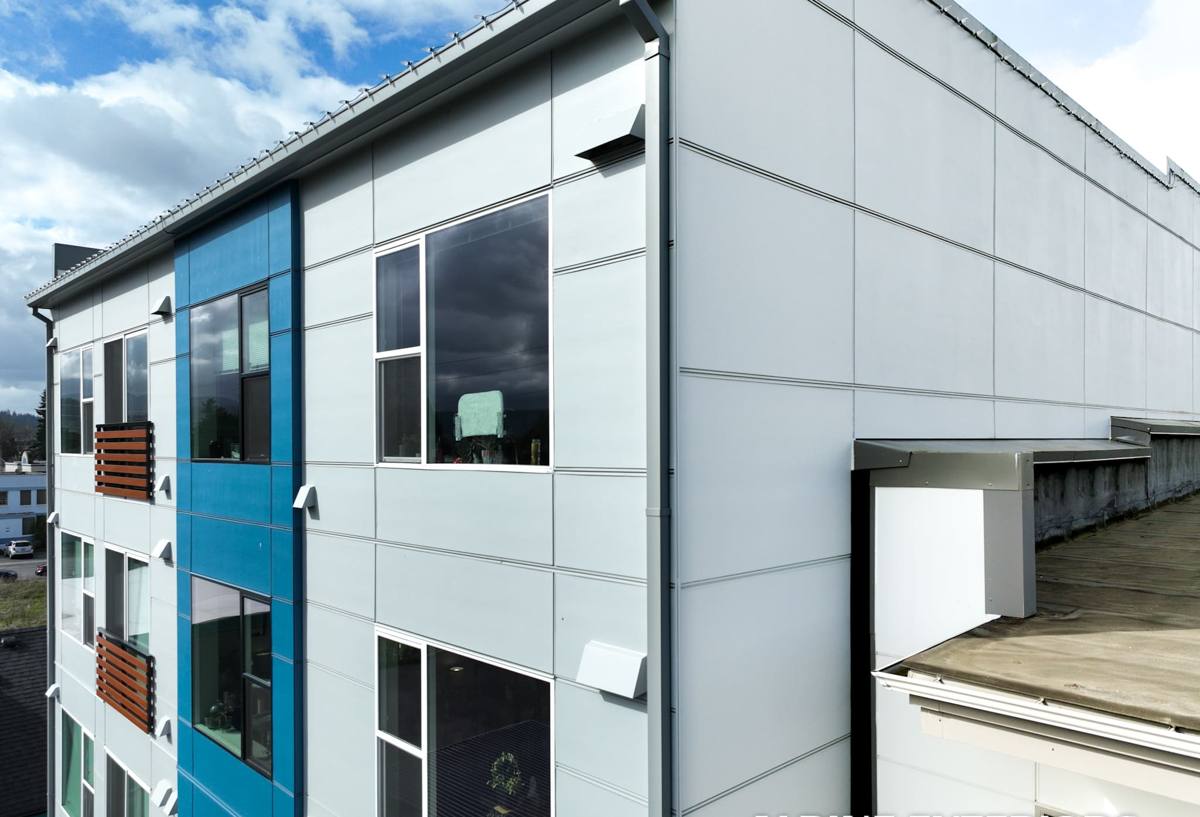
What "Custom" Means on a Real Job
A lot of homeowners hear "custom windows" and assume it means a premium upsell. In practice, it just means the window is built or configured to fit your opening and your home's needs, rather than pulled off a shelf in a stock size. That matters more in older Acme homes than people expect — additions, remodels, and houses built before modern sizing standards often have openings that don't match today's off-the-shelf dimensions.
Custom Sizing
Rather than shimming a stock window into an opening that's slightly too big or too small (which is where a lot of leaks start), a custom-sized unit is built to the actual rough opening. Less gap to seal means fewer places for wind-driven rain to find a way in.
Custom Configuration
Bay windows, odd angles, larger picture windows paired with operable units, or replacing a single large window with a combination that's easier to maintain — these are all configuration decisions that come up regularly in this area, especially on homes with additions or older single-pane originals.
Custom Performance Specs
Glass package, frame material, and hardware can all be selected based on which direction the window faces and how much weather it takes. A window on the exposed side of the house doing the brunt of the driving rain deserves a different spec than one tucked under an eave.
Signs an Acme Home Needs Window Attention
Most homeowners don't call about windows until something's visibly wrong, but there are earlier signs worth catching. Here's what we look for, and what you can check yourself before you ever need an estimate:
- Sashes that stick, drag, or won't stay open — usually swelling from moisture intrusion into the wood or frame
- Visible fogging or moisture between panes of double-glazed glass, meaning the seal has failed
- Soft or discolored wood at the sill or lower corners of the frame, a common spot for rot to start in a rainy climate
- Moss or dark green growth on the exterior sill or trim — a sign that area stays wet longer than it should
- Drafts you can feel with a hand near the frame on a windy day, even with the window fully closed
- Visible daylight or gaps around the frame from outside
- Paint or finish that's peeling specifically around the window opening, often pointing to trapped moisture behind it
- Noticeably higher heating bills without another clear explanation
Any one of these on its own isn't necessarily an emergency, but a few showing up together on the same window usually means it's past patching and into replacement territory.
Frame Materials — What Actually Holds Up Here
Frame material matters more in a wet climate than almost anywhere else, because it's the material that's constantly exposed to rain, condensation, and long stretches of damp air. Here's how the common options compare for this region:
| Material | How It Handles Local Weather | Maintenance | Typical Lifespan |
|---|---|---|---|
| Vinyl | Won't rot or absorb moisture; performs well against driving rain | Low — occasional cleaning | 20–30+ years |
| Fiberglass | Very stable in temperature swings and moisture; strong seal retention | Low | 30–40+ years |
| Wood (unclad) | Classic look but vulnerable to rot without diligent upkeep in a wet climate | High — repainting/sealing on a schedule | Varies widely with upkeep |
| Wood-clad (wood interior, metal or vinyl exterior) | Good compromise — exterior shell resists moisture, interior keeps the wood look | Moderate | 25–35+ years |
| Aluminum | Durable but conducts cold and can condense/sweat in our humidity without a thermal break | Low | 20–30 years |
We don't push one material on every job. A shaded, rain-exposed wall and a covered, south-facing wall on the same house can reasonably call for different specs. What we won't do is install an unclad wood frame in a spot that's going to sit wet for days at a time without a serious upkeep plan behind it — that's a maintenance burden we'd rather be upfront about than sell around.
Glass Packages Worth Considering
Glass does more work than most people realize. In this climate, the two things worth prioritizing are condensation resistance and how well the unit blocks heat loss during our cooler, wetter months.
- Double-pane, argon-filled: The standard baseline for a modern replacement window; solid insulation and moisture performance for most rooms
- Low-E coating: Helps manage heat transfer year-round and cuts down on interior condensation on cold, damp mornings — one of the more worthwhile upgrades for this area
- Triple-pane: Better insulation and sound dampening, generally worth it on north-facing rooms or homes near a busier road, though it adds cost and weight
- Impact-rated or laminated glass: Not a common need here, but occasionally requested for added security or storm resistance on exposed sides of a home
How We Approach a Window Job in Acme
The install itself is where most window problems actually originate — not the product. A well-made window installed with a poor moisture plan will still leak. Our process is built around getting that part right every time:
- On-site assessment: We measure every opening individually, check for existing rot or moisture damage behind the trim, and look at how water currently moves around that part of the house.
- Spec and material selection: Based on the wall's exposure, the home's age, and your priorities (energy performance, upkeep, appearance), we recommend a frame and glass package — with the reasoning explained, not just a product pushed.
- Removal without collateral damage: Old units are pulled carefully to avoid tearing up siding or trim that doesn't need to be replaced.
- Flashing and weatherproofing first: Before the new window goes in, we address the sill pan, house wrap integration, and flashing details — this is the step that actually keeps driving rain out, more than any feature of the window itself.
- Setting, shimming, and sealing: The unit is leveled, properly shimmed (not over-shimmed), and sealed with materials rated for our wet climate, not a generic caulk that'll fail in a couple of seasons.
- Interior and exterior finish work: Trim, casing, and any siding disturbed during the install is put back cleanly.
- Final walkthrough: We test operation, check the seal from both sides, and go over care basics with you before we call it done.
What Drives the Cost
Every window job is different, but the same handful of factors move the price up or down. We'd rather walk through these honestly than throw out a number that doesn't hold up once we're on-site:
| Factor | Why It Matters |
|---|---|
| Frame material | Vinyl is typically the most budget-friendly; fiberglass and wood-clad cost more up front but often less over the window's life |
| Standard size vs. custom size | Custom-built units built to a nonstandard opening cost more than stock sizes |
| Glass package | Low-E coatings and triple-pane glass add cost but pay back in comfort and lower energy loss |
| Condition behind the old window | Rot or water damage discovered during removal adds repair work before the new window can go in |
| Number and configuration | Bay windows, large picture units, or multi-window combinations take more labor than a single standard replacement |
| Access and site conditions | Second-story windows or tricky access add time and equipment |
We give a firm, written estimate after seeing the actual openings — not a phone quote based on guesses, since the details above can shift a price meaningfully.
Why Local Experience with Acme Homes Matters
A crew that's worked houses in and around Acme has already seen how this area's weather affects window installs — which walls take the worst of the driving rain, how shaded lots hold moisture longer, and which older window styles tend to fail first out here. That's not something you get from a national installer working off a generic checklist. It shows up in small decisions: extra attention to flashing on the exposed side of a house, choosing a frame material that won't need repainting every few years under tree cover, or catching hidden rot early because we know where to look.
It also matters for accountability. We're not driving in from out of the area for a one-time job — we're a crew based right here in Whatcom County, working on Lynden and surrounding communities on an ongoing basis. If something needs a follow-up look after the install, we're not far away.
Caring for New Windows in This Climate
New windows still need a little seasonal attention here, especially with the amount of rain and shade this area gets:
- Rinse sills and tracks periodically to keep moss and algae from getting a foothold, especially on shaded sides of the house
- Check exterior caulking once a year for cracking or gaps, particularly after a hard winter
- Keep weep holes on vinyl and fiberglass frames clear of debris so water can drain as designed
- Wipe down interior sills during damp months to reduce condensation buildup
- Trim back vegetation that's shading a window and keeping it wet longer than it needs to be
None of this is heavy maintenance — it's the kind of five-minute check that keeps a good install performing well for decades instead of years.
If your Acme home has windows that are drafty, fogged, sticking, or just past their prime, we're happy to take a look and give you an honest, no-pressure assessment of what's actually going on and what it would take to fix it right. Fill out the form below for a free estimate.