 Lynden Siding
 Fiber Cement Siding Built for Bellingham's Climate
Homes in Bellingham sit in one of the more demanding climate zones in Whatcom County for exterior siding. You've got Bellingham Bay pushing salt-laden air inland, long stretches of driving rain off the Sound, and a wet season that stretches from fall through spring and hands north-facing walls a moss problem that never really goes away. Siding here doesn't just need to look good for a season or two — it needs to hold its finish, resist moisture intrusion, and shrug off organic growth year after year without constant homeowner maintenance.
This page is specifically about fiber cement siding for Bellingham properties, not a generic overview of siding materials. If you're comparing options for a home in this area, the climate factors below should shape your decision more than anything else.
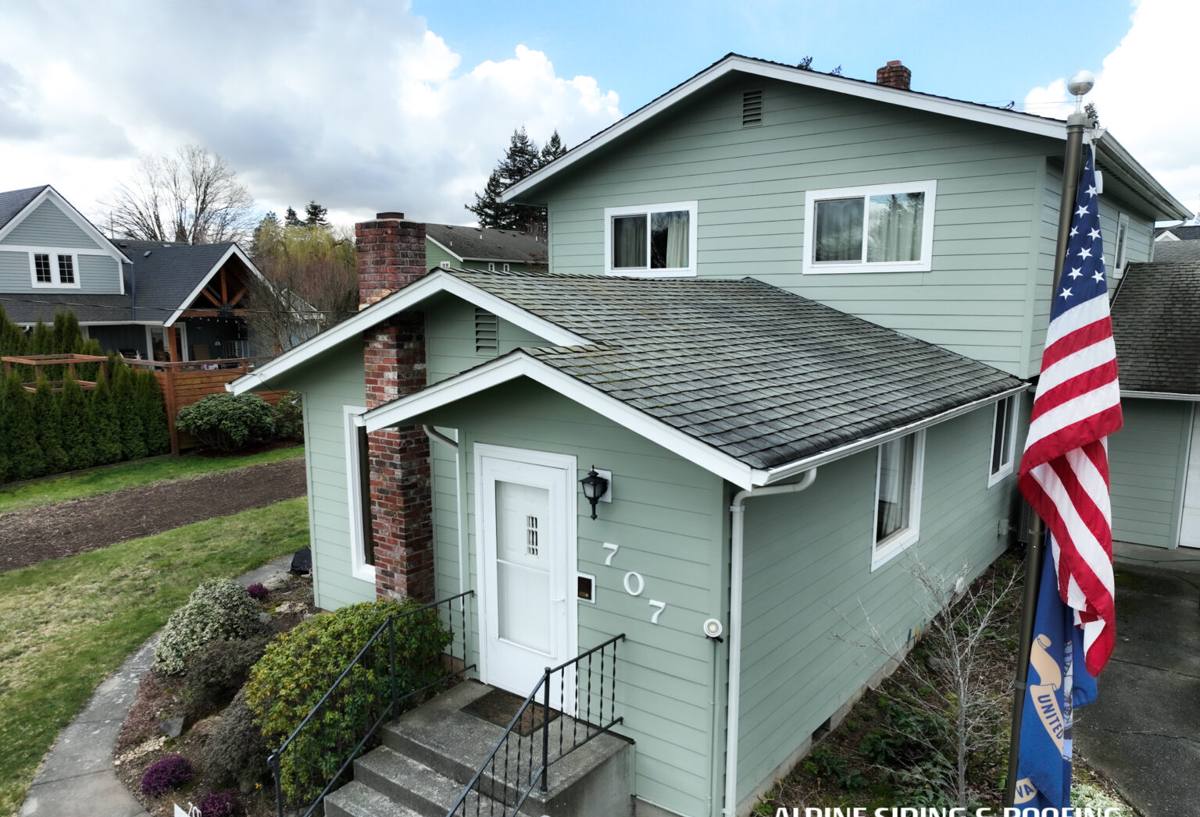
Why Salt Air and Moisture Change the Equation
Proximity to Bellingham Bay means airborne salt settles on exterior surfaces, and that salt is corrosive to fasteners, trim metal, and lower-quality coatings. It also attracts and holds moisture against a wall longer than dry inland air would. Combine that with Whatcom County's rain totals and you get siding assemblies that are wet more often than they're dry for a good chunk of the year.
Wood-based products — cedar, primed spruce, and engineered wood siding like LP SmartSide — are all vulnerable to this combination in different ways. Wood swells and contracts with moisture cycling, paint and primer coatings fail faster in salt air, and any breach in the surface finish gives moisture a path into the substrate. Once that happens near the coast, rot and delamination can move faster than they would in a drier inland climate.
Fiber cement doesn't have that vulnerability. It's a mix of cement, sand, and cellulose fiber, which means it isn't organic material that rots or attracts insects, and it doesn't swell and shrink with humidity the way wood does. That's the baseline reason it holds up better on Bellingham exteriors — but the product still has to be installed correctly to deliver on that durability, which we'll get into below.
The Moss Problem on North and Shaded Walls
Whatcom County's long wet season is ideal growing conditions for moss and algae, and Bellingham's tree cover and marine humidity make it worse. North-facing walls, shaded elevations under overhangs, and anything close to landscaping tend to stay damp long enough for organic growth to take hold.
Moss and algae themselves don't destroy fiber cement the way they can degrade wood, but they do two things worth caring about: they hold moisture against the surface longer, and they make a home look neglected even when the siding underneath is fine. James Hardie's factory-applied ColorPlus finish is more resistant to staining and easier to clean than field-applied paint, which matters a lot when you're dealing with a wall that's going to see moss pressure every winter regardless of what material you put on it.
What Correct Detailing Does for Moss-Prone Walls
- Proper flashing above windows and trim so water sheds away from the wall instead of running down the face
- Correct siding-to-grade clearance so splash-back and standing moisture don't sit against the bottom course
- Rainscreen or drainage gap behind the siding on walls with heavy moisture exposure, so any incidental moisture can dry out instead of getting trapped
- Caulking and sealant only where Hardie's install specs call for it — over-caulking can trap moisture rather than keep it out
Why We Only Install James Hardie
This is worth being direct about: we don't install vinyl siding, LP SmartSide, Cemplank, Allura, primed spruce, or cedar. That's not a marketing position — it's a standard we hold because of what we've seen these products do, and not do, in this climate over time.
Vinyl is inexpensive and low-maintenance in mild conditions, but it's a petroleum-based product that becomes brittle in cold snaps and can warp or buckle under direct heat and reflected sun off windows. It also doesn't hold paint, so your color options are locked in for the life of the product, and impact damage means panel replacement rather than a patch.
LP SmartSide, Cemplank, and Allura are all reasonable products on paper, and each has legitimate applications elsewhere. But for a coastal Whatcom County climate specifically, we've standardized on one system rather than mixing installation specs, warranty terms, and moisture-management details across multiple product lines. Fiber cement as a category performs well here; James Hardie is the fiber cement manufacturer whose HZ5 product line is engineered for exactly this kind of climate, whose ColorPlus finish carries a real factory warranty against fading and peeling, and whose installation specs we've built our whole process around.
Primed spruce and cedar are the traditional look a lot of Bellingham homeowners still love, and we understand the appeal. But both are organic wood products that require an ongoing paint or stain maintenance cycle to keep moisture out, and in a climate with this much sustained dampness, that maintenance window shrinks. A missed repaint cycle on wood siding near the coast can turn into a rot repair a lot faster than it would inland.
What James Hardie's HZ5 Line Offers This Region
Hardie engineers its siding by climate zone, and the HZ5 formulation is built for regions with significant moisture exposure — which describes most of western Washington. The practical differences that matter for a Bellingham home:
| Feature | Why It Matters Here |
|---|---|
| Non-combustible fiber cement core | Doesn't burn, warp, or rot the way wood or vinyl-adjacent products can |
| ColorPlus factory finish | Baked-on finish resists fading and staining better than field-applied paint, and cleans up more easily when moss or algae take hold |
| Engineered for moisture resistance | Formulated to resist swelling, cracking, and moisture absorption in wet climates |
| Transferable limited warranty | Coverage that can pass to a future buyer, which matters if you sell before the siding's full service life is up |
| Consistent panel and plank profiles | Lets us detail flashing, gaps, and fastening the same way on every wall, which is where a lot of siding failures actually originate |
What a Correct Fiber Cement Install Actually Involves
Fiber cement's reputation is only as good as the crew installing it. The material itself resists moisture and rot, but a poorly installed job — wrong fastener pattern, missing flashing, no clearance at grade, panels butted too tight — can undercut everything the product is supposed to deliver. On a Bellingham home dealing with salt air and near-constant winter dampness, install quality matters more than it would somewhere drier.
Our process, in order
- Assessment and tear-off. We inspect the existing sheathing and wall assembly once old siding comes off, since this is often the first real look at moisture damage that's been hidden for years.
- Sheathing repair. Any rot, soft spots, or compromised sheathing gets addressed before new siding goes up — covering damaged sheathing with new siding just hides the problem.
- Weather-resistive barrier and drainage plane. We install house wrap and, where the wall's exposure calls for it, a drainage gap so incidental moisture behind the siding can escape instead of sitting against the wall.
- Flashing at every penetration. Windows, doors, and any wall penetration get flashed to shed water outward, not just caulked over.
- Hardie installation to manufacturer spec. Correct fastener type and spacing, proper panel gapping, and correct clearance from grade, roofing, and decks — all per James Hardie's published installation guidelines, which is also what keeps the warranty valid.
- Finish and trim. Corner trim, caulking only where specified, and a final inspection pass before we call the job done.
Signs Your Current Siding Isn't Handling the Bellingham Climate
- Persistent moss or algae staining that comes back within weeks of cleaning, especially on north-facing walls
- Soft or spongy spots when you press on wood or engineered wood siding
- Peeling, bubbling, or chalking paint that keeps recurring despite repainting
- Visible gaps, warping, or buckling panels, particularly on walls with direct sun exposure or reflected heat
- Rust streaking near fasteners or trim, a sign salt air is starting to corrode hardware
- Rising energy bills that may point to moisture-compromised insulation behind the siding
Cost Factors for a Bellingham Fiber Cement Project
Every home is different, so we won't quote a number without seeing the house, but the main variables that move the price on a Bellingham job are worth understanding up front:
| Factor | Why It Affects Cost |
|---|---|
| Extent of hidden moisture damage | Sheathing repair found during tear-off adds labor and material beyond the siding itself |
| Home size and wall complexity | More corners, dormers, and trim detail mean more cutting, fitting, and labor time |
| Siding profile and plank width | Lap width, panel style, and accent details (board and batten, shingle-style sections) vary in material and labor cost |
| Drainage plane requirements | Walls with heavy moisture exposure may need a rainscreen system, adding a step to the install |
| Access and site conditions | Tight lots, multi-story walls, and limited staging area affect equipment and labor time |
Why Local Install Experience Matters
A crew that regularly works Bellingham and the greater Lynden area already knows which walls tend to hold moss, which elevations catch the worst of the driving rain off the bay, and how salt exposure tends to show up first on a home. That's not something you get from a general install manual — it comes from doing the work in this specific climate repeatedly and seeing what holds up and what doesn't.
It also means we're not guessing at flashing details or drainage requirements for "a wet climate" in the abstract — we're building to what Whatcom County's coastal conditions actually demand, on every job, the same way, so the siding performs the way James Hardie's HZ5 line is engineered to.
Get a Free, No-Pressure Estimate
If your Bellingham home's siding is showing moss staining that won't clean off, paint that keeps failing, or you're just planning ahead for a replacement, we're happy to take a look and give you a straight assessment — no pressure, no upsell to a product we don't stand behind. Use the form below to request a free estimate.