 Lynden Siding
 Bellingham's Climate Puts Extra Stress on Siding
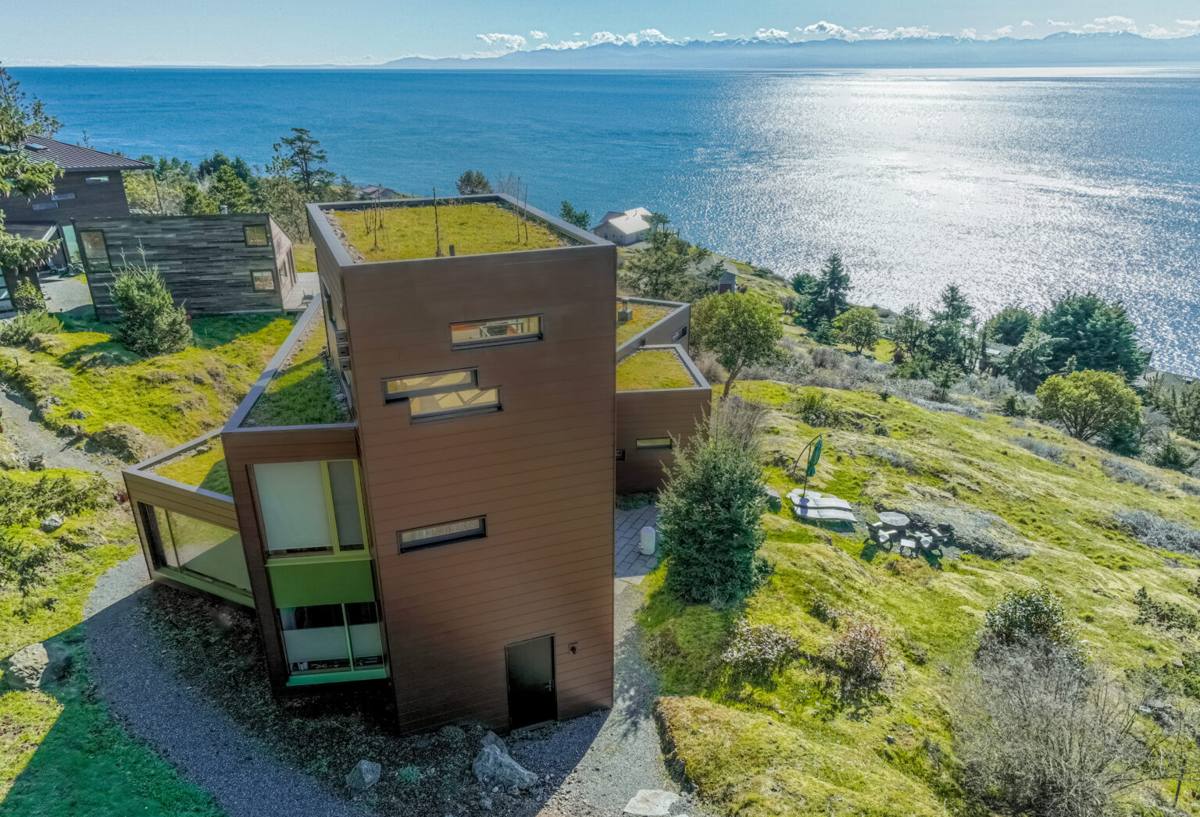
Homes on the Bellingham side of Whatcom County deal with a specific combination of punishment that a lot of siding products simply weren't built to handle over the long run. You've got salt-laden air coming off Bellingham Bay, driving rain that comes in sideways during winter storms, and a moss season that can stretch from October well into spring. Any one of those on its own is manageable. Together, year after year, they find every weak point in a siding system — every gap in flashing, every joint that wasn't caulked right, every board that wasn't primed on all six sides before it went up.
Siding installation in this part of Washington isn't just about getting a product on the wall. It's about installing a wall system that's engineered to shed water, resist the moisture that salt air and moss hold against a surface, and keep doing that for decades without curling, swelling, or rotting. That's the standard we hold every Bellingham-area job to.
Why Installation Quality Matters More Near the Bay
Proximity to salt water changes how fast materials age. Salt air accelerates corrosion on fasteners and trim hardware, and it holds moisture against exterior surfaces longer than it would further inland. Combine that with Whatcom County's rain totals and the shaded, damp conditions that let moss and algae take hold on north- and west-facing walls, and you get an environment where installation shortcuts show up faster than they would in a drier climate.
A siding job that's slightly off — a missing kick-out flashing, a nail driven too tight, house wrap lapped the wrong direction — might not cause a visible problem for a year or two almost anywhere else. Near Bellingham Bay, those same mistakes tend to surface sooner: staining, soft spots, paint failure, or moss creeping in at seams where water is getting trapped instead of running off.
What We Install: James Hardie Fiber Cement, and Why
We install James Hardie fiber cement siding exclusively. We don't install vinyl, LP SmartSide, Cemplank, Allura, primed spruce, or raw cedar. That's not a marketing position — it's a standard we've settled on after weighing how each of those products actually performs against Pacific Northwest weather over a 20- to 30-year horizon, not just how they look on install day.
Why Not the Alternatives
Vinyl is inexpensive and low-maintenance, but it's a petroleum-based product that expands and contracts with temperature swings, can warp or crack in impact, and isn't fire-rated the way fiber cement is. LP SmartSide is an engineered wood product — it performs reasonably when installation and maintenance are perfect, but any wood-based siding is more sensitive to moisture intrusion at cut edges and seams, which is exactly the failure mode our climate is good at finding. Cedar and primed spruce are natural wood siding: beautiful when new, but they require ongoing refinishing, are more vulnerable to rot in a wet climate, and carry a real ongoing maintenance cost that most homeowners underestimate when they choose the product. Cemplank and Allura are also fiber cement, and they're not bad products — we simply standardized on Hardie's specific formulation, factory finish process, and warranty structure rather than stocking multiple fiber cement lines.
Why James Hardie
James Hardie fiber cement is non-combustible, resists moisture-driven swelling and rot far better than wood-based siding, and comes with a factory-applied ColorPlus finish that's baked on under controlled conditions rather than field-painted. Hardie also makes an HZ5 product line engineered specifically for climates with more moisture exposure, which fits the Whatcom County coastline well. The warranty is transferable to a future homeowner, which matters if you're not planning to be in the house forever.
| Material | Moisture Behavior | Maintenance | Fire Rating |
|---|---|---|---|
| James Hardie fiber cement | Engineered to resist swelling/rot; factory-sealed edges | Repaint every 15+ years (ColorPlus lasts longer) | Non-combustible |
| Vinyl | Doesn't rot, but traps moisture behind it if installed wrong | Low, but cracks/warps with impact and heat | Combustible |
| LP SmartSide (engineered wood) | Vulnerable at cut edges and seams if not sealed correctly | Moderate; repaint and edge-seal maintenance | Combustible |
| Cedar / primed spruce | Most vulnerable to rot in sustained wet climates | High; regular refinishing required | Combustible |
What a Correct Siding Installation Involves
The siding itself is only part of the system. Most of the problems we get called out to fix on other contractors' work trace back to what's happening underneath the visible surface, not the boards themselves.
Tear-Off and Wall Prep
We remove the old siding down to the sheathing, check for water damage or soft framing underneath, and address anything we find before covering it back up. Installing new siding over hidden rot just buys a few years before the same problem reappears, worse.
Weather-Resistive Barrier and Flashing
A properly lapped weather-resistive barrier, correctly integrated flashing at every window, door, and roofline intersection, and kick-out flashing where a roof edge meets a wall are what actually keep water out of the wall cavity. This is the step that matters most in a climate with sustained rain, and it's the step that's easiest to rush.
Fastening and Clearances
James Hardie specifies fastener type, spacing, and minimum ground and roof clearances for a reason — get those wrong and you introduce moisture paths or void the manufacturer warranty. We follow Hardie's published installation specifications, not shortcuts.
Finish Work
Caulking, trim details, and touch-up at cut edges are what keep water from finding its way in at the seams. On a coastal, high-rain job this finish work isn't cosmetic — it's functional.
Our Process, Start to Finish
- Assessment: We walk the exterior, check current siding and sheathing condition, and note problem areas like north-facing walls with heavy moss or spots with a history of water intrusion.
- Estimate: You get a written scope and price, with the product line and color options laid out clearly.
- Prep and tear-off: Old material comes off, sheathing gets inspected and repaired as needed.
- Barrier and flashing installation: Weather-resistive barrier, window and door flashing, and kick-out flashing go in to Hardie spec.
- Siding installation: Panels or planks are installed with correct fastening, spacing, and clearances.
- Trim and finish: Corners, trim boards, and caulking are completed and touched up.
- Final walkthrough: We go over the finished job with you before calling it done.
What Bellingham Siding Installation Costs
Cost varies with home size, wall complexity, and how much prep work the existing walls need. Broad ranges are useful for planning, but every home is different enough that a firm number really does require an in-person look.
| Cost Factor | Why It Matters |
|---|---|
| Home size and wall square footage | Directly drives material and labor volume |
| Number of stories | Taller walls mean more scaffolding, staging, and labor time |
| Existing wall condition | Rot or sheathing damage found during tear-off adds repair scope |
| Trim and architectural detail | Complex trim, gables, and dormers add labor hours |
| Product line and profile | Hardie plank, shingle, and panel profiles carry different material costs |
| Site access | Tight lots or landscaping obstacles affect setup and staging time |
A written, itemized estimate after an on-site assessment is the only way to get a number you can actually plan around — anything given sight-unseen is a guess.
Moss, Mildew, and Long-Term Maintenance
Even with the right product and a correct install, Whatcom County's moss season means exterior walls need periodic attention. Shaded, north-facing walls and areas near trees are the most common spots for moss and algae growth. The good news with a correctly installed Hardie system is that the siding itself isn't what's failing when you see moss — it's a surface growth issue, not a moisture-intrusion issue, and it's addressed with routine gentle washing rather than repair. Keeping gutters clear and trimming back vegetation that shades walls also goes a long way toward slowing moss growth between cleanings.
A Checklist for Choosing a Siding Contractor in Bellingham
- Ask what siding material they install and why — and be wary of a contractor who installs everything with no stated preference
- Confirm they follow the manufacturer's written installation specifications, not just "how we've always done it"
- Ask specifically how they handle flashing at windows, doors, and roof-to-wall intersections
- Get a written, itemized estimate, not a verbal ballpark
- Ask whether the warranty is transferable if you sell the home
- Check that they carry proper licensing and insurance for exterior work in Washington
- Ask how they handle sheathing repair if rot is found during tear-off
Why a Lynden-Based Crew Working Bellingham Matters
We're based in Lynden and work throughout Whatcom County, including Bellingham. That matters for a few practical reasons beyond convenience. A crew that regularly works this area already knows which wall orientations tend to hold moisture, how the bay's salt air behaves differently than it does even a few miles inland, and what moss and mildew patterns look like on homes in this specific region. That's knowledge you build by doing the work here repeatedly, not by reading a spec sheet once.
It also means we're not disappearing after the job is done. If a warranty question comes up or you want a wall checked a few years down the road, we're a short drive away, not a company that swept through the area for one season.
If you're considering a siding installation for a Bellingham-area home, we're happy to come out, take a real look at your walls, and put together a straightforward, no-pressure estimate — no obligation, just an honest assessment of what your home needs.