 Lynden Siding
 Decks Built for Custer's Weather, Not Just Its View
Custer sits in the coastal stretch of Whatcom County, where wind off the water, long wet winters, and a heavy moss season put more strain on an outdoor deck than most homeowners expect. A deck that would hold up fine in a drier inland climate can start showing problems here within a few years — soft spots at the ledger board, corroded fasteners, slick green boards by December. Building a deck for Custer isn't just about picking a nice-looking board. It's about choosing materials and details that account for salt-laden air, driving rain that hits at an angle instead of falling straight down, and shade pockets that never fully dry out between storms.
We build and replace decks throughout the Lynden and Custer area, and this page covers what actually matters for a deck in this specific location — not generic deck-building advice.
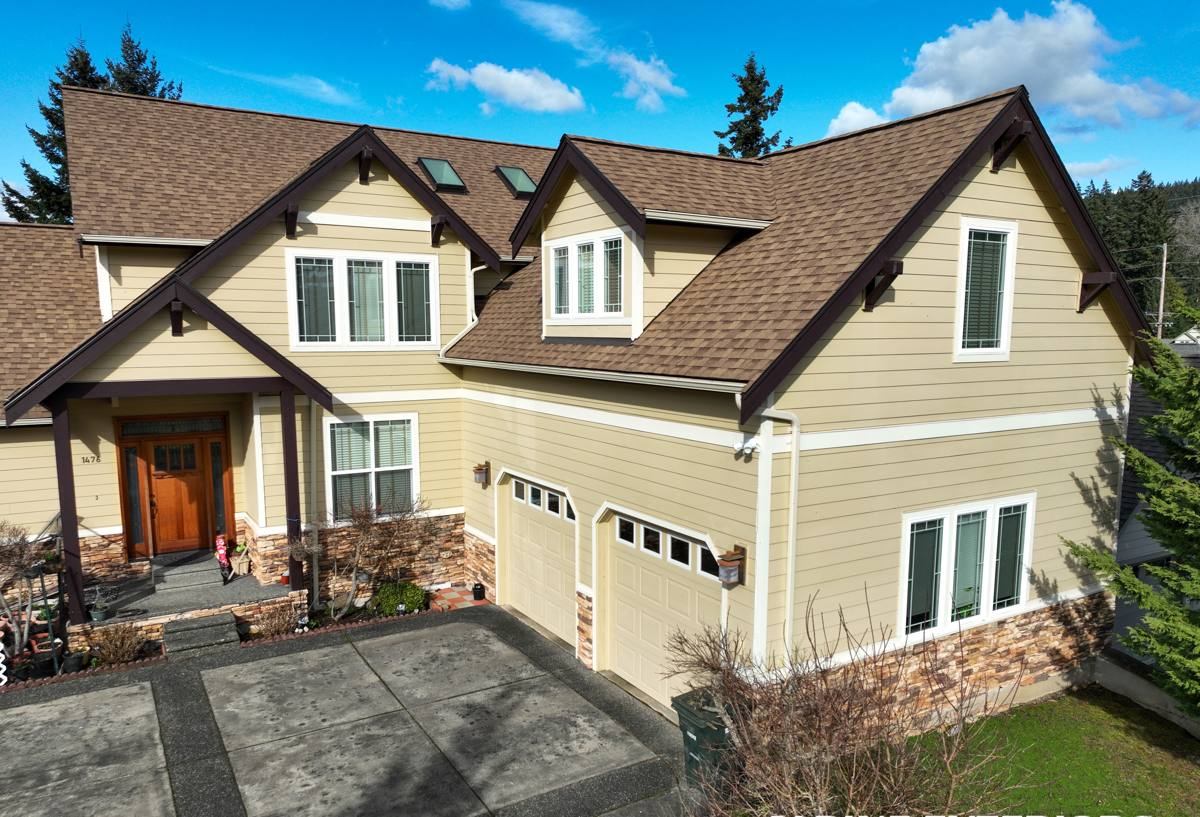
What Custer's Location Does to a Deck Over Time
Salt Air and Metal Hardware
Proximity to the coast means the air here carries more salt than it does further inland around Lynden proper. Salt accelerates corrosion in fasteners, joist hangers, and railing hardware. A deck built with standard interior-grade screws or uncoated brackets can start rusting and staining the wood around it well before the structure itself is due for attention. This is one of the most common issues we see on older decks in this area — the wood is often still sound, but the hardware holding it together has failed.
Driving Rain and Wind-Blown Moisture
Rain in this part of Whatcom County rarely just falls straight down. Wind pushes it sideways, which means it gets up under railing caps, behind fascia boards, and into any gap in the flashing at the house. A deck built without proper flashing at the ledger board — the point where the deck attaches to the house — is one of the most frequent sources of rot we find, and it's almost always invisible until the damage is already significant.
Moss, Shade, and Standing Water
Long wet seasons mean moss and algae get a real foothold on any deck surface that doesn't drain and dry quickly. Boards installed too tight together, decks built low to the ground with poor airflow underneath, or shaded areas near fences and trees all stay damp longer and grow moss faster. Beyond looking bad, moss holds moisture against the deck surface, which shortens the life of the boards and makes the deck genuinely slippery — a real safety issue on stairs and landings.
Choosing the Right Decking Material for This Area
There's no single "best" decking material — the right choice depends on your budget, how much maintenance you're willing to do, and how much shade and moisture your particular lot sees. Here's how the common options compare for a coastal Whatcom County property.
| Material | Moisture Behavior | Maintenance | Typical Lifespan Here |
|---|---|---|---|
| Pressure-treated wood | Absorbs and releases moisture readily; prone to cupping and splintering if not sealed regularly | Annual cleaning and re-sealing recommended | 10–15 years with upkeep |
| Cedar | Naturally moisture- and insect-resistant, but still needs sealing to hold color and resist moss | Sealing every 1–2 years | 15–20 years with upkeep |
| Composite decking | Doesn't absorb water or rot, but surface texture and drainage matter for moss resistance | Periodic washing, no sealing or staining | 25+ years |
| Capped PVC decking | Fully moisture-resistant shell, best resistance to staining and moss growth | Occasional washing only | 25+ years |
For homes in Custer specifically, we lean toward recommending composite or capped PVC in shaded or low-airflow yard layouts, simply because the reduced maintenance burden matters more when moss pressure is high. Wood and cedar are still good, honest choices for owners who want that traditional look and don't mind the upkeep — the tradeoff is real either way, and we'll walk through it with you rather than push one material.
Where Decks Actually Fail — The Structure You Don't See
Most deck problems that show up as soft boards or a wobbly railing actually start below the surface. Getting the structure right the first time matters more here than in a drier climate, because moisture problems compound faster once they start.
Footings and Ground Contact
Whatcom County's wet ground and freeze-thaw cycles put real pressure on undersized or shallow footings over time. Footings need to be sized and set to local frost depth and soil conditions, not just deep enough to look right.
Ledger Board Flashing
This is the single most important detail on an attached deck. Proper flashing — installed correctly, in the right order relative to the house's siding and weather barrier — keeps water from tracking behind the deck and into the house framing. A poorly flashed ledger is invisible from the outside and can rot both the deck framing and the wall structure behind it before anyone notices.
Joist Spacing and Board Direction
Tighter joist spacing than the material's minimum requirement adds stiffness and reduces bounce, which matters for composite and PVC decking in particular. Board direction and gap spacing also affect drainage — boards that don't shed water quickly hold moss and algae longer.
Railings, Fasteners, and Hardware
Given the salt exposure in this area, we specify corrosion-resistant fasteners and hardware as standard, not as an upgrade. Hidden fastener systems, stainless or coated structural screws, and properly rated joist hangers cost more upfront but avoid the rust streaking and hardware failure that shortens the life of an otherwise good deck. Railing systems matter too — cable and metal-baluster railings look great but need hardware rated for coastal exposure, or they'll show corrosion within a few seasons.
Our Process, From Estimate to Finished Deck
Every property in Custer is a little different — lot slope, shade, drainage, and how the house is oriented to the weather all affect the right approach. Our process is built around getting those details right before any material gets ordered.
- On-site assessment. We look at drainage, sun and shade exposure, existing structure condition if this is a rebuild, and how the deck ties into the house.
- Material and design discussion. We walk through decking, railing, and hardware options honestly, including maintenance tradeoffs, so you're choosing based on real information.
- Written estimate. Clear scope, materials, and pricing before any work begins.
- Permitting. We handle the permit process where required based on the deck's size and height.
- Construction. Proper footings, correctly flashed ledger attachment, corrosion-resistant hardware, and decking installed to the material manufacturer's spacing and fastening requirements.
- Final walkthrough. We go over the finished deck with you, including basic care specific to the material you chose.
Permits and Local Requirements
Deck permitting requirements in Whatcom County generally depend on the deck's height above grade and its size, among other factors. Rules can vary depending on your specific property and whether you're building new, replacing an existing structure, or expanding one. We handle the permitting process as part of the job on projects that require it, so you don't have to navigate that on your own.
Maintenance Checklist for a Custer Deck
Whatever material you choose, a little seasonal attention goes a long way in this climate. This is a practical starting checklist we give homeowners in the area:
- Sweep debris and standing leaves off the deck surface regularly, especially in fall
- Rinse or wash the surface periodically to slow moss and algae buildup, particularly in shaded areas
- Check and clear gaps between boards so water can drain instead of pooling
- Inspect railing hardware and fasteners annually for early signs of rust or looseness
- Reseal or restain wood and cedar decking on the manufacturer- or product-recommended schedule
- Confirm the area under the deck has airflow and isn't trapping moisture against the framing
- Address any soft spots, staining, or hardware corrosion promptly rather than waiting
Why a Crew That Already Works in Custer Makes a Difference
A deck built by someone unfamiliar with this specific stretch of coastal Whatcom County can still look right on the day it's finished — the problems show up two or three years later, once salt air, moss, and driving rain have had time to find every weak point. We build and repair decks in the Lynden and Custer area regularly, which means we're already accounting for the ledger flashing, hardware corrosion, and drainage details that matter here, not applying generic advice from a drier climate. That local familiarity is part of what you're paying for — fewer surprises, and a deck that's still solid well past the point where a poorly built one would be showing problems.
If you're planning a new deck or need to replace one that's past its prime, we're glad to take a look and give you an honest, no-pressure estimate — just fill out the form below.