 Lynden Siding
 Deck Repair for Nooksack-Area Homes Near Lynden
Decks in the Nooksack area take a different kind of beating than decks in drier parts of the country. Whatcom County sits under a long wet season, moisture-heavy air moves through the valley off the Sound most months of the year, and shaded yards along the river bottoms grow moss faster than most homeowners can keep up with. A deck that looks fine from the porch door can still have soft joists, a failing ledger connection, or fasteners rusting from the inside out. This page covers what deck repair actually means for homes in and around Nooksack, what a correct repair looks like, and how our process works when you call us in.
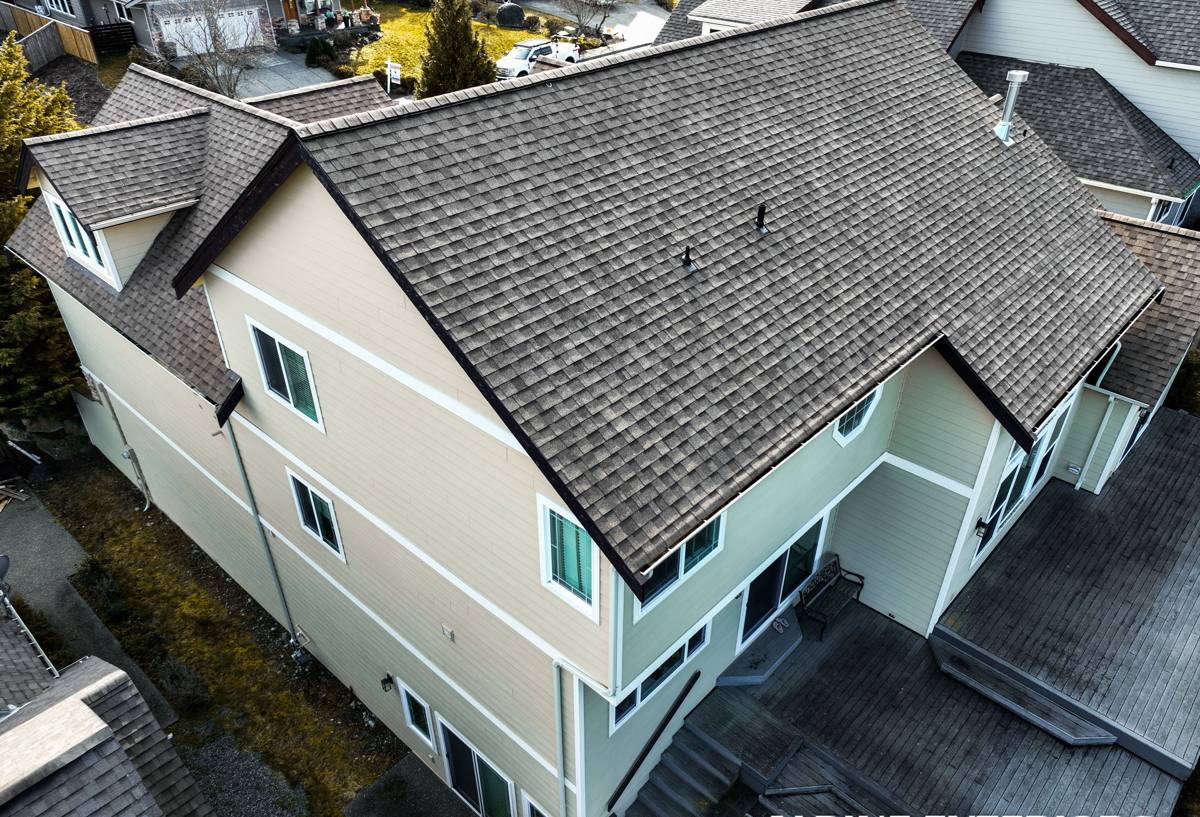
What Whatcom County Weather Does to a Deck
Wood decks fail from the inside out, not the outside in. The boards you can see are usually the last thing to go. The real damage happens underneath and behind — where water gets trapped against the house, pools on horizontal surfaces, or sits in end grain that was never sealed. In this part of Washington, three conditions drive most of the repair calls we get:
- Driving rain that gets pushed sideways into ledger boards, stair stringers, and any spot where a horizontal surface meets a vertical wall
- A long moss and algae season that keeps deck boards damp for weeks at a time, even between rain events, because the moisture never fully dries out
- Salt-tinged, moisture-laden air moving through the valley, which accelerates corrosion on exposed fasteners, joist hangers, and hidden metal connectors faster than a dry-climate deck would ever see
None of that means every deck in Nooksack is in trouble. It means the maintenance window is shorter, and small problems turn into structural ones faster if they're ignored.
Signs Your Deck Needs Repair, Not Replacement
Most decks we're called out to don't need to be torn out and rebuilt. They need targeted repair to the parts that actually failed, while the parts that are still sound get left alone. Here's what we look for during an inspection:
Surface-level warning signs
- Boards that feel spongy or flex more than neighboring boards when you walk across them
- Persistent green or black staining that comes back within weeks of cleaning
- Fastener heads that are rusted, popped up, or leaving dark streaks down the board
- Gaps opening up between boards, or boards that have visibly cupped or crowned
Structural warning signs
- Any movement or bounce at the point where the deck attaches to the house (the ledger board)
- Railings or posts that wiggle at the base
- Stairs that feel less solid than they used to, especially near the bottom stringer
- Visible daylight or soft wood where a joist meets a beam or the house band board
Surface issues are often a straightforward board-and-fastener repair. Structural issues at the ledger, posts, or joists need to be addressed properly the first time — that connection is what keeps the whole deck attached to your house, and it's the single most common failure point we find on older decks in this area.
What a Correct Deck Repair Actually Involves
A repair that just swaps out the bad-looking boards and calls it done is a repair that comes back in two or three years. Doing it right means understanding why that section failed in the first place. Our approach on every repair call includes:
1. Find the actual moisture source
Rot doesn't show up randomly. It shows up where water collects — behind a ledger board without flashing, under a board with no gap for drainage, or at a post base sitting in standing water. We trace the damage back to its cause before we replace anything, because replacing wood without fixing the water path just buys you a few more years before the same spot fails again.
2. Check what's hidden, not just what's visible
The ledger-to-house connection, the joist hangers, and the post-to-footing connections all get inspected even if they weren't the reason you called. These are the parts that fail quietly, and they're the parts that matter most if the deck ever needs to hold weight during a gathering, a hot tub install, or heavy snow load.
3. Match materials to the exposure
A board on a fully shaded, north-facing section of deck needs different handling than a board getting full sun and wind exposure. We choose fasteners, flashing, and lumber grade based on where on the deck the repair sits, not a one-size-fits-all approach.
4. Rebuild the water path correctly
Proper flashing behind the ledger board, correct board spacing for drainage and airflow, and fastener choices that won't corrode and stain the wood — these details are what separate a repair that lasts from one that doesn't.
Common Deck Problems We Fix Around Nooksack
| Problem | Typical Cause | What the Repair Involves |
|---|---|---|
| Soft or spongy ledger area | Missing or failed flashing where deck meets house | Remove affected boards, install proper flashing, replace rotted framing, reattach with correct hardware |
| Persistent moss and algae staining | Shaded location, poor drainage, board contact with damp ground below | Deep clean, improve airflow/spacing, treat and reseal, address drainage under the deck if needed |
| Rusting or popped fasteners | Wrong fastener type for the wood and moisture exposure, or fasteners simply aging out | Remove and replace with corrosion-resistant fasteners rated for the application |
| Wobbly railing or post | Loosened or corroded post connection, sometimes rot at the post base | Inspect post base and connection hardware, replace compromised wood, reinforce or replace hardware |
| Soft stair stringers | Water pooling at the base, ground contact, or lack of a proper footing | Replace stringer, correct footing/ground clearance, reinstall with treated or appropriate material |
Repair vs. Replacement: How We Help You Decide
Not every deck problem calls for a full rebuild, and not every deck is worth patching indefinitely. We walk homeowners through the honest tradeoffs rather than defaulting to the bigger job. Generally:
Repair usually makes sense when:
- The framing underneath is still sound and the damage is limited to boards, railings, or fasteners
- The deck is structurally solid but showing age-related wear in specific spots
- You want to extend the life of the deck a number of years without a full-project budget right now
Replacement starts to make more sense when:
- Rot has spread through multiple framing members, not just surface boards
- The deck has had repeated repairs to the same areas and keeps failing there
- The original build doesn't meet current spacing, flashing, or footing practices, and bringing it up to standard piecemeal costs more than starting fresh
We'll tell you honestly which category your deck falls into. A smaller repair bill today is usually the better outcome for both of us when it's the right call.
Our Process, Start to Finish
- On-site inspection. We walk the whole deck, not just the spot you called about, and check the ledger, posts, and stairs along with the visible boards.
- Straight explanation. You get a plain-English rundown of what's actually wrong, what caused it, and what your repair options are — no upsell to a full rebuild you don't need.
- Written estimate. A clear scope of work and price before anything starts, so there are no surprises partway through.
- The repair itself. We fix the cause, not just the symptom — that means correcting flashing, drainage, or fastener issues along with replacing damaged wood.
- Final walkthrough. We check the repaired area with you and point out anything worth keeping an eye on going forward.
Materials We Use and Why
Material choice on a repair depends on what's already there and what the exposure demands. For most structural repairs — joists, ledgers, stair stringers — we use properly rated treated lumber, because it needs to match and tie into the existing framing correctly. For visible board replacement, we'll talk through wood versus composite options depending on your budget, how much moss and moisture exposure that section gets, and how much upkeep you want going forward. Composite boards resist moss staining better in shaded, damp spots, but they cost more upfront and aren't always necessary if the section only gets partial shade. We'll give you the honest tradeoffs rather than pushing whichever material has the better margin.
On fasteners and hardware, we use corrosion-resistant products rated for exterior, ground-contact, or moisture-heavy applications depending on where they're going — this matters more here than in drier climates, since standard hardware corrodes faster with the moisture-laden air common to this part of Washington.
Maintenance Checklist Between Repairs
A repaired deck lasts a lot longer with a little regular attention, especially through a wet Whatcom County winter. Here's what we recommend homeowners keep up with:
- Sweep leaves and debris off the deck surface regularly, especially in fall — trapped debris holds moisture against the wood
- Clean moss and algae buildup before it gets heavy, rather than waiting for it to visibly darken the boards
- Check that gaps between boards haven't filled in with debris, which blocks drainage and airflow underneath
- Look at the ledger board area once or twice a year for any dark staining, softness, or gaps in caulking or flashing
- Reseal or restain wood decking on the manufacturer's recommended schedule, not just when it looks faded
- Keep gutters and downspouts near the deck clear so runoff isn't draining directly onto or under it
Why a Crew That Already Works Nooksack Matters
Deck repair done right depends on understanding how the local climate actually behaves on a deck over years, not just what a general repair manual says. A crew that regularly works decks around Lynden and the Nooksack area already knows where moss builds up fastest, which orientations get hit hardest by driving rain, and where the moisture-heavy air tends to cause the earliest fastener corrosion. That local pattern recognition means less time spent diagnosing and more time spent fixing the actual problem — and a repair that's built to hold up through another wet Whatcom County season, not just look good the day we finish.
If you've got a deck in the Nooksack area showing any of the signs above, we're happy to take a look and give you a straightforward assessment. Reach out for a free, no-pressure estimate using the form below — we'll tell you honestly what it needs and what it doesn't.