 Lynden Siding
 Sumas Roofs Face a Specific Kind of Wear
Sumas sits at the north edge of Whatcom County, close enough to the foothills and the international border that it gets its own version of Pacific Northwest weather: long stretches of steady rain, damp marine air that pushes inland from Puget Sound and the Strait of Georgia, and winters that swing between mild wet spells and sharp cold snaps. None of that is dramatic on its own, but stacked up over years, it's exactly the combination that wears out an asphalt shingle roof faster than the manufacturer's brochure suggests.
The two biggest factors are moisture and time. A roof here rarely gets a real dry-out period the way roofs do in drier climates. Shingles stay damp longer after every rain, north-facing slopes and tree-shaded sections barely dry between storms, and that constant dampness is what feeds moss and algae growth. Add in the trace salt-tinged moisture that rides inland with our marine weather patterns and settles on metal flashing and fasteners, and you've got a roof that's working harder than the same product would in a drier region.
None of this means asphalt shingles are a bad choice for Sumas — they're still the most practical, cost-effective roofing material for most homes here. It means the installation details matter more than they would somewhere drier, and a roof that's cut corners on ventilation, underlayment, or flashing will show it within a few winters, not a few decades.
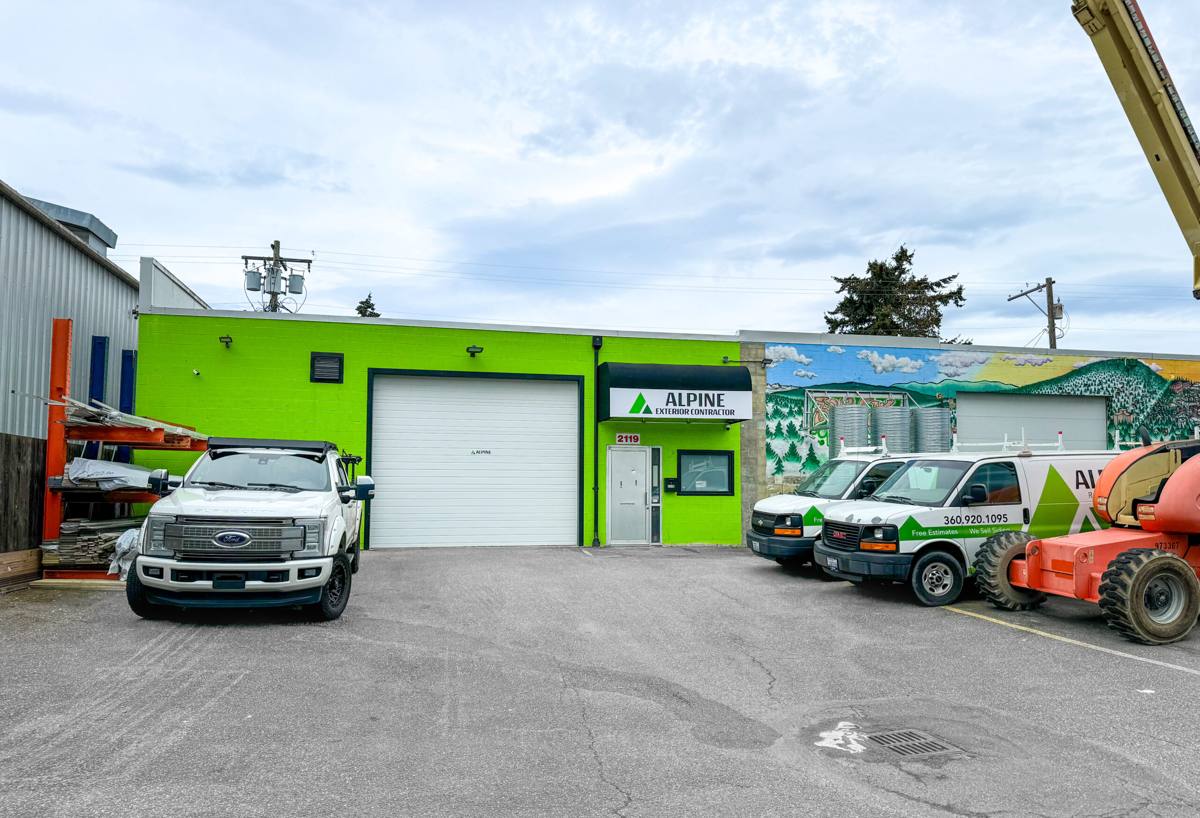
What Goes Into a Correct Asphalt Shingle Roof Here
A shingle roof is a system, not just a layer of shingles nailed to plywood. In a wet climate like Whatcom County's, the parts underneath the shingles do as much work as the shingles themselves.
Tear-Off and Decking Inspection
We don't install new shingles over old ones, and we don't recommend it for this climate. A full tear-off lets us see the actual condition of the roof deck — soft spots, rot around old penetrations, and moisture staining that tells us where a previous roof was letting water through slowly. Any damaged decking gets replaced before anything new goes down. Skipping this step is one of the most common ways a "new" roof ends up with problems within a few years.
Underlayment and Ice/Water Protection
Underlayment is the roof's backup plan for the water that gets past the shingles — and in a climate with this much sustained rainfall, it will get some. We use synthetic underlayment across the field of the roof and self-adhering ice-and-water membrane at the eaves, valleys, and around chimneys and skylights, where water concentrates and wind-driven rain is most likely to work its way underneath shingle edges.
Ventilation
Proper intake and exhaust ventilation keeps the attic space close to outdoor temperature and lets moisture escape instead of condensing on the underside of the roof deck. In a damp climate, poor ventilation shows up as premature shingle aging from the inside, and it's also a major contributor to moss and mildew getting a foothold faster than they otherwise would. We check soffit vents, ridge vents, and any static or powered vents already in place, and correct undersized or blocked ventilation as part of the job rather than treating it as a separate upsell.
Flashing and Penetrations
Step flashing at walls and chimneys, counter-flashing, and boots around plumbing vents are where most leaks actually start — not in the open field of shingles. We replace flashing rather than reusing old pieces, and we pay particular attention to anywhere two roof planes meet, since that's where wind-driven rain concentrates hardest during our wetter storms.
Picking the Right Shingle for This Climate
Not every asphalt shingle product is built the same way, and the right choice for a Sumas home usually comes down to balancing upfront cost against how well the product handles sustained moisture and wind exposure.
| Shingle Type | Typical Lifespan | How It Handles Local Conditions |
|---|---|---|
| 3-tab shingles | 15–20 years | Lowest upfront cost; thinner profile means faster granule loss and shorter effective life in a wet, moss-prone climate |
| Architectural (dimensional) shingles | 25–30 years | Heavier, more wind-resistant, and the most common choice we install here; better warranty coverage and better resistance to moss staining over time |
| Algae-resistant architectural shingles | 25–30 years | Same durability as standard architectural shingles, with copper- or zinc-infused granules that slow algae and moss growth — a meaningful upgrade for shaded or north-facing roofs |
| Impact-resistant (Class 4) shingles | 25–30+ years | Higher upfront cost; the main benefit is impact resistance rather than moisture performance, so it's a case-by-case decision for most Sumas homes |
For most homes we work on, an architectural shingle with algae-resistant granules is the practical middle ground: it costs more than 3-tab up front, but the extra wind rating and moss resistance translate directly into fewer callbacks and a longer real-world service life given how much moisture this roof will see over the years.
How We Approach a Sumas Roofing Job
- Inspection and estimate — we walk the roof (or use a ladder/drone inspection where access is limited), check the decking, flashing, and ventilation, and give a written scope before any work starts.
- Material selection — we go over shingle options and pricing based on your roof's exposure, pitch, and how much shade or moss history it has.
- Tear-off and disposal — old roofing comes off down to the deck, and debris is hauled off site day by day, not left piled in the yard for the length of the job.
- Deck repair — any soft or damaged sheathing is replaced before underlayment goes down.
- Underlayment, flashing, and shingle installation — installed in the sequence and with the materials described above, following manufacturer specs so warranty coverage stays intact.
- Ventilation check — intake and exhaust airflow verified and corrected if undersized.
- Cleanup and walkthrough — magnetic sweep for nails, site cleanup, and a final walkthrough so you know exactly what was done.
Warning Signs Worth a Look
A lot of roof damage in this climate develops slowly enough that homeowners don't notice until there's a stain on a ceiling. A few signs are worth acting on before that happens:
- Heavy moss buildup, especially on north-facing slopes or under trees
- Granules collecting in gutters or at the base of downspouts
- Shingles that look cupped, curled, or are missing their tabs
- Dark streaking that doesn't wash off with light rinsing
- Soft spots or noticeable sagging anywhere on the roof plane
- Daylight visible through the attic roof deck
- Rusting or lifted flashing around chimneys, vents, or skylights
- A roof approaching 20+ years old with no major work done
Any one of these on its own isn't necessarily an emergency, but it's worth having someone look before the next wet season adds to the damage.
Keeping a Shingle Roof Healthy Between Installs
A correctly installed roof still needs some upkeep in a climate this wet. Keeping gutters clear so water doesn't back up under the shingle edge, gently removing moss buildup rather than pressure-washing it (which can strip granules), and trimming back overhanging branches to cut down on shade and debris all extend the practical life of a roof between full replacements. A quick inspection every couple of years — especially after a hard windstorm — catches small flashing or fastener issues before they turn into a leak.
What Drives the Cost
Every roof is priced on its own specifics, but a few factors consistently move the number up or down on jobs in this area:
| Factor | Why It Matters |
|---|---|
| Roof size and pitch | Steeper roofs take longer to work safely and require more material overlap |
| Number of layers to remove | Tearing off two layers of old roofing costs more in labor and disposal than one |
| Decking condition | Rotten or soft sheathing found during tear-off adds material and labor to replace it |
| Shingle grade chosen | 3-tab, standard architectural, and algae-resistant or impact-resistant lines all carry different material costs |
| Roof complexity | Valleys, dormers, skylights, and chimneys all add flashing work and cutting time |
| Access | Steep sites, limited driveway space, or difficult material staging can add setup time |
We'd rather walk your roof and give you real numbers than quote a range that doesn't mean much until we've seen the actual conditions.
Why Local Experience in Sumas Matters
A roofing crew that already works around Sumas and greater Whatcom County has seen how these roofs actually fail over time — which slopes hold moss the longest, which flashing details tend to fail first in this weather, and how much ventilation a given attic realistically needs. That's different from general roofing knowledge that applies anywhere in the country. It also means faster response if weather turns during a job, familiarity with permitting expectations in the area, and a crew that isn't learning the regional climate on your roof for the first time.
If you're weighing a repair against a full replacement, or just want an honest read on how much life is left in your current roof, we're happy to take a look. Reach out for a free, no-pressure estimate using the form below.