 Lynden Siding
 Roofing in Blaine's Salt Air and Rain
Blaine sits right on the water at the northern edge of Whatcom County, and that location shapes what a roof has to survive here. Homes close to Semiahmoo Bay and Drayton Harbor deal with salt-laden air moving inland almost constantly, on top of the driving, wind-pushed rain that comes through this stretch of the Pacific Northwest coast for much of the year. Add in the shaded, damp conditions that let moss take hold on north-facing slopes for months at a time, and you have a roofing environment that's genuinely harder on materials and fasteners than most inland parts of the county. A roof built for a drier climate, or installed without those factors in mind, tends to show problems here years before it should.
This page covers what a new roof installation actually needs to get right for a Blaine home, what the work involves step by step, and why local experience matters as much as the shingles themselves.
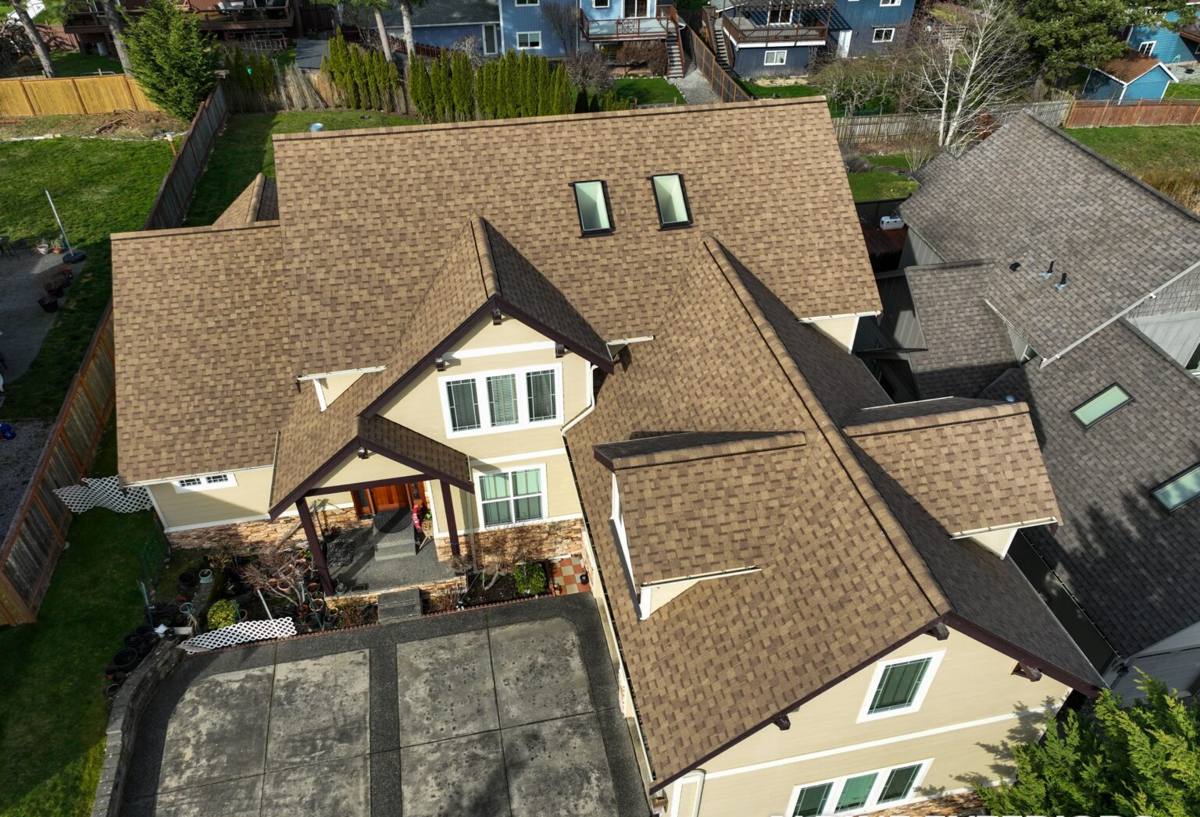
How Blaine's Climate Wears Down a Roof
Salt Air and Corrosion
Airborne salt accelerates corrosion on anything metal — nail heads, flashing, drip edge, and the fasteners holding shingles or panels down. Once corrosion starts at a fastener, water finds its way in around it, and that's how small leaks begin in roofs that otherwise look fine from the ground. Materials and hardware rated for coastal exposure cost a little more up front but hold up far longer this close to the water.
Wind-Driven Rain
Rain that comes in sideways during a storm tests the roof's underlayment and flashing more than the shingles themselves. Standard installation practices that pass inspection in calmer, drier regions can still leak in Blaine if the underlayment and flashing details weren't built with wind-driven rain specifically in mind.
Moss, Shade, and Trapped Moisture
Whatcom County's long, damp shoulder seasons give moss and algae plenty of time to establish on shaded roof slopes, especially under overhanging trees. Moss doesn't just look bad — it holds moisture directly against the roofing material, lifts shingle edges as it grows, and shortens the life of whatever's underneath it. A roof designed with moss growth in mind, and maintained accordingly, will simply outlast one that isn't.
Signs a Blaine Home Needs a New Roof, Not Another Repair
Not every roof problem calls for full replacement, but there's a point where patching becomes more expensive than starting fresh. Watch for:
- Shingles that are cupping, cracking, or losing their granules in patches, especially on the slopes that catch the most weather
- Moss or dark algae staining that keeps coming back within a season or two of cleaning
- Soft spots or sagging when you walk the attic or look at the roofline from the street
- Daylight visible through the roof deck from inside the attic
- Water stains on ceilings or in the attic that appear after wind-driven rain specifically, not just heavy rain
- Rusted or lifting flashing around chimneys, vents, and valleys
- A roof that's original to a home built more than 20-25 years ago, regardless of how it looks from the ground
- Multiple past repairs in different spots, which usually means the material itself is nearing the end of its service life
Choosing a Roofing Material for Coastal Whatcom County
There's no single "right" material for every home, but some options handle Blaine's combination of salt air, rain, and moss better than others. Here's how the common choices compare for this specific climate:
| Material | Coastal/Moisture Performance | Moss Resistance | Maintenance |
|---|---|---|---|
| Architectural asphalt shingle | Good, with corrosion-resistant fasteners and proper flashing | Moderate; benefits from copper or zinc strips on shaded slopes | Periodic moss and debris removal |
| Standing seam metal | Very good when specified with coastal-rated finishes and fasteners | High; sheds moisture quickly and gives moss little to grip | Low; occasional gutter and fastener check |
| Synthetic/composite shake | Good; doesn't absorb moisture the way natural wood does | Moderate to high depending on product | Low to moderate |
| Cedar shake | Requires diligent maintenance in wet, shaded conditions | Lower without regular treatment | High; needs regular cleaning and treatment to prevent rot |
We generally steer clients on shaded, water-exposed lots away from untreated wood shake, not because it's a bad product everywhere, but because Blaine's damp, shaded conditions demand a maintenance schedule most homeowners don't want to keep up with. That's a trade-off worth understanding before you commit, not a knock on the material itself. Architectural asphalt and metal roofing tend to be the better match for most homes here, and we'll walk through the honest pros and cons for your specific roof during an estimate.
What a Correct New Roof Installation Actually Involves
Tear-Off and Deck Inspection
A proper installation starts with removing the old roofing down to the deck, not layering over it. That's the only way to actually see the plywood or OSB underneath and catch soft, rotted, or delaminated sections before they get covered up again. In a climate with as much moisture exposure as Blaine gets, skipping this step is how hidden rot keeps spreading under a brand-new roof.
Underlayment and Water Barrier
Given how much wind-driven rain this area sees, the underlayment matters as much as the shingles on top of it. Synthetic underlayment, plus a self-adhering ice-and-water barrier at eaves, valleys, and around penetrations, gives the roof a second line of defense if wind ever pushes water past the surface layer.
Flashing Details
Chimneys, skylights, vent pipes, and valleys are where the overwhelming majority of roof leaks actually start. Correctly installed, corrosion-resistant flashing at every one of these transitions is non-negotiable this close to salt air, where standard flashing corrodes faster than it would inland.
Ventilation
Balanced intake and exhaust ventilation keeps the attic dry and temperature-regulated, which does two things: it prevents condensation from forming on the underside of the deck, and it slows the moss and algae growth that thrives in warm, humid attic-adjacent conditions. A new roof installed without addressing ventilation is missing half the job.
Our New Roof Installation Process
Every roof is different, but the sequence of a properly run job doesn't change much:
- On-site inspection and honest assessment of whether repair or replacement makes sense
- Written estimate covering material options, scope of work, and a realistic timeline
- Material selection, matched to your home's exposure, slope, and shading
- Full tear-off of the existing roofing and a deck inspection, with any rotted sheathing replaced
- Installation of underlayment, ice-and-water barrier, and all flashing
- Installation of the roofing material itself, following manufacturer specifications for wind and moisture exposure
- Ventilation check and correction if the attic system needs it
- Full site cleanup, including a magnetic sweep for stray nails
- Final walkthrough so you know exactly what was done and what to watch for going forward
What Drives the Cost of a New Roof in Blaine
Every estimate is specific to the home, but the same handful of factors move the price up or down on most projects:
| Factor | Why It Matters |
|---|---|
| Roof size and pitch | Steeper roofs take longer, need more safety setup, and use more material |
| Number of layers to remove | Tear-off of multiple old layers adds labor and disposal cost |
| Deck condition | Rotted or soft sheathing found during tear-off needs replacement before new roofing goes on |
| Material choice | Asphalt, metal, and composite options carry different material and labor costs |
| Access and site conditions | Waterfront lots, steep driveways, and limited staging area can affect labor time |
| Chimneys, skylights, and valleys | Each penetration adds flashing work and time |
We won't know your real number until we've seen the roof, but we'll never pad an estimate with vague line items. If something changes once tear-off starts — hidden deck rot, for example — we'll show you what we found before doing the work, not after.
Getting Ready for Installation Day
- Move vehicles out of the driveway and away from the work area
- Bring in or cover patio furniture, grills, and anything else near the perimeter of the house
- Let us know about sprinkler systems, delicate landscaping, or shoreline plantings we should be careful around
- Keep pets indoors or away from the yard during active work hours
- Expect noise and some vibration inside the home during tear-off and installation
- Plan for debris disposal and a magnetic nail sweep as part of daily cleanup, not just at the end of the job
Why a Crew That Already Works Blaine Matters
A roof installed by a crew unfamiliar with this stretch of Whatcom County will often meet code and still underperform, because code sets a minimum, not a recommendation for salt air and driving rain. Knowing which fastener and flashing upgrades are worth the extra cost here, which slopes on a given lot actually need moss-resistant strips, and how local wind exposure should factor into material fastening patterns comes from having worked on homes in this specific location, not just from a manufacturer's install guide. It also means fewer surprises with permitting and inspection timelines, since we already know how that process runs in this area.
Protecting Your Investment After Installation
A new roof done right in Blaine should need very little from you for years, but a small amount of upkeep goes a long way. Keep gutters clear so water doesn't back up under the eaves, have shaded slopes checked for moss growth every year or two, and address any flashing or fastener corrosion early rather than waiting for a leak to show up inside the house. Catching small issues before winter storm season arrives is far cheaper than repairing water damage after the fact.
If you're weighing repair versus replacement, or just want an honest read on what your current roof has left in it, we're happy to take a look. Fill out the form below for a free, no-pressure estimate.