 Lynden Siding
 Why Nooksack Roofs Wear Out Faster Than the Warranty Sticker Suggests
A roof in Nooksack doesn't fail the way a roof in a dry climate fails. It doesn't crack from heat or bake apart under UV alone. It gets worn down by water that never fully goes away — driving rain off the Nooksack River valley, salt-laden air moving in off Puget Sound, and long stretches of gray, damp weather that keep every surface wet for days at a time. Add a moss season that can run from fall through spring, and you've got a roof system that's under constant low-grade attack even when nothing dramatic ever happens to it.
That's the real argument for a correctly installed roof here: not curb appeal, but a system built specifically to shed water fast, dry out between storms, and resist the moss and algae that thrive in this climate. A roof that would hold up fine in a drier part of the state can start showing problems in Whatcom County years ahead of schedule if it wasn't detailed for our conditions.
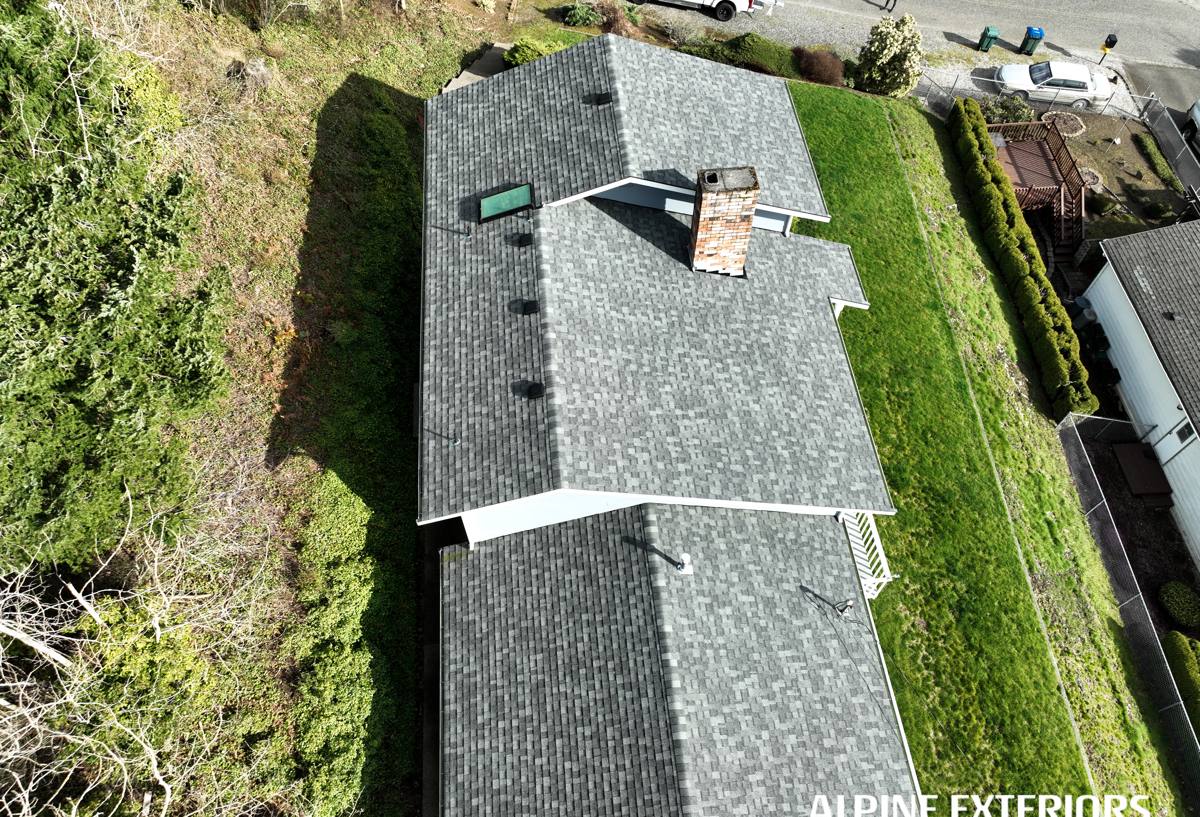
What a Correct New Roof Installation Actually Involves
"New roof" sounds simple — old shingles off, new shingles on. In practice, the parts of the job that determine whether a roof lasts 15 years or 35 years happen underneath the shingles, not on top of them.
Tear-Off and Deck Inspection
We remove the old roofing down to the deck rather than layering over it. That's the only way to see what's actually going on underneath — soft spots, rot around old nail penetrations, or decking that's absorbed moisture over the years. Any damaged sheathing gets replaced before anything new goes down. Skipping this step is the single most common shortcut we see on Whatcom County re-roofs, and it's the one that causes the most expensive failures down the line.
Underlayment and Moisture Barriers
In a climate this wet, underlayment isn't a formality — it's a second line of defense that has to actually work. We use synthetic underlayment across the field and self-adhered ice-and-water membrane at the vulnerable spots: eaves, valleys, roof-to-wall transitions, and around every penetration. If wind-driven rain ever gets past the shingles, this layer is what keeps it from reaching the deck.
Ventilation
A roof that can't breathe traps moisture in the attic, and trapped moisture is what rots decking and framing from the inside out — usually long before anyone notices a leak. We balance intake at the eaves with exhaust at the ridge so warm, moist air actually moves out instead of condensing under the roof deck. This matters more here than in drier climates, where the margin for error on ventilation is much wider.
Flashing and Penetrations
Chimneys, skylights, vent pipes, and roof-to-wall intersections are where the overwhelming majority of roof leaks actually start — not in the open field of shingles. We install new flashing at every one of these, step-flashed and properly lapped so water is directed out and away rather than relying on caulk or sealant to do a metal detail's job.
Choosing the Right Roofing Material for This Climate
There's no single "best" roofing material — there's the right material for your home, your budget, and how much upkeep you want to take on. Here's how the main options actually compare for a Nooksack home:
| Material | Performance in Wet, Mossy Climate | Typical Lifespan | Maintenance |
|---|---|---|---|
| Architectural asphalt shingles | Good when properly ventilated and detailed; moss-resistant options available | 25–30 years | Periodic moss/debris removal |
| Standing seam metal | Excellent water shedding; smooth surface resists moss better than textured materials | 40–50+ years | Low; occasional gutter/valley check |
| Synthetic/composite shingle | Good moisture resistance; mimics wood or slate without the moisture issues of natural wood | 30–50 years | Low to moderate |
| Cedar shake | Attractive but absorbs moisture and needs consistent upkeep to resist rot and moss in this climate | 20–30 years with upkeep | High |
Most homeowners in this area land on architectural asphalt shingles for the balance of cost and performance, or metal when they want to minimize long-term maintenance and moss buildup. We'll walk through the honest trade-offs for your specific roof rather than pushing whatever's easiest for us to install.
Moss, Algae, and the Long Wet Season
Moss isn't just cosmetic here — it's a structural issue waiting to happen. Moss holds moisture against the roof surface, lifts shingle edges as it grows, and over time creates channels for water to work its way underneath the roofing. In a county where roofs stay damp for weeks at a stretch, this isn't a rare problem; it's close to inevitable without some planning at installation.
Two things make the biggest difference:
- Zinc or copper strips installed near the ridge, which release trace metal ions with every rain that inhibit moss and algae growth across the whole roof plane
- Keeping surrounding trees trimmed back so the roof gets sun and airflow instead of staying shaded and damp year-round
We also make sure valleys and low-slope sections — the areas that hold water and debris longest — are detailed to shed water quickly rather than pool it, since standing water is where moss and rot both get their start.
Our Installation Process, Start to Finish
- On-site inspection and estimate. We look at your current roof, attic ventilation, and any problem areas before quoting anything, so the number you get reflects your actual roof, not a generic figure.
- Material selection. We go over the honest pros and cons of each option for your home, budget, and how much maintenance you want to take on.
- Scheduling around weather. Roofing here has to work around Whatcom County's rain patterns — we plan installation windows to minimize the time your home has an open deck.
- Tear-off and deck inspection. Old roofing comes off, the deck gets inspected, and any damaged sheathing is replaced.
- Underlayment, flashing, and ventilation installation. The parts that don't show but do the real work.
- New roofing installed to manufacturer specification. Correct nailing patterns and exposure, not just "close enough."
- Final walkthrough. We show you the finished roof and go over any warranty paperwork before we consider the job done.
Roof and Siding Working Together
As a siding contractor that also handles roofing, we pay close attention to how the two systems meet — because that's exactly where a lot of leaks start. Roof edges, drip edge flashing, and the transition into siding or trim need to work as one continuous water-shedding system. If the roofer and the siding crew aren't coordinating (or aren't the same crew), that transition is often where corners get cut. Handling both means the flashing details at your rooflines are built to move water away from your siding and framing, not just off the roof and onto the wall below.
Signs Your Nooksack Home Needs a New Roof, Not a Repair
Not every roof problem calls for a full replacement — but in a climate this wet, waiting too long on the wrong problem can turn a repair into a much bigger job. Watch for:
- Shingles that are cupping, curling, or losing significant granules
- Moss or algae covering large sections rather than isolated patches
- Daylight visible through the attic roof deck, or damp insulation
- A roof that's 20+ years old and has never been fully replaced
- Multiple past repairs in different spots rather than one contained issue
- Sagging areas anywhere on the roof plane, which can signal deck or structural damage
If you're only seeing one or two of these, a repair may still make sense. If you're seeing several at once, a repair is often just delaying — and adding cost to — a replacement you're going to need anyway.
Why Hire a Crew That Already Works in Nooksack
Roofing crews who mostly work drier parts of the state don't always plan for what this climate does to a roof over time — the ventilation margins, the moss pressure, the way wind-driven rain behaves coming off the valley. A crew that regularly works in and around Lynden and Nooksack knows which details actually matter here versus which ones are just extra steps, and schedules installs around the realistic weather windows rather than guessing.
Local experience also means we're familiar with Whatcom County's permitting requirements for roof replacement and won't skip that step to move faster — a permitted, inspected roof protects you if there's ever a warranty or insurance question down the road.
Cost Factors to Expect
Every roof is different, but a few factors consistently drive the price up or down on jobs in this area:
| Factor | Effect on Cost |
|---|---|
| Roof size and number of stories | More material and steeper access requirements raise cost |
| Roof pitch and complexity (valleys, dormers, chimneys) | More cuts, flashing, and labor time |
| Existing deck condition | Rotted sheathing found during tear-off adds material and labor |
| Material choice | Asphalt shingles are typically the most budget-friendly; metal costs more upfront but less over its lifespan |
| Ventilation upgrades needed | Adding proper intake/exhaust venting where none exists adds cost but protects the investment |
We give you a written estimate that breaks these out so you know what you're paying for, not just a bottom-line number.
If your roof is showing its age or you just want an honest read on where it stands, we're glad to take a look. Reach out for a free, no-pressure estimate on new roof installation for your Nooksack home — the form below only takes a minute.