 Lynden Siding
 Board & Batten Siding in the Everson Area
Everson sits in that stretch of Whatcom County where the Nooksack lowlands hold moisture longer than the surrounding hills, and homes here take a specific kind of beating: driving rain off the valley, a moss season that can run eight months out of the year, and long stretches of gray, damp weather that never quite lets siding fully dry out between soakings. Board and batten is a popular look for farmhouses, ranch homes, and newer builds in this part of the county — the vertical lines read clean and traditional, and it holds up well when it's built from the right material and installed by someone who understands what this specific climate does to a wall.
This page is about that one job, done right, for homes in and around Everson. Not a general overview of siding styles — the actual product, the actual installation details, and the actual conditions your house is dealing with.
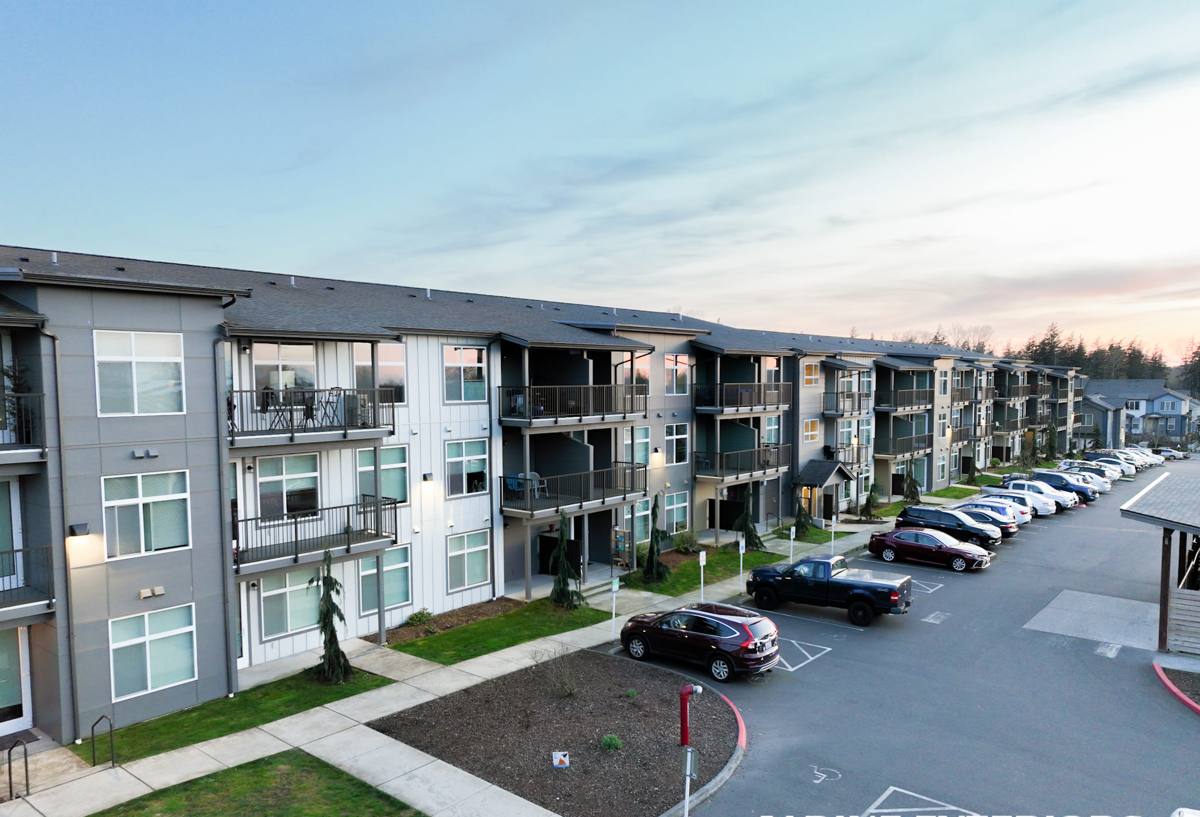
Why Board & Batten Makes Sense Here — and Why the Material Choice Matters More Than the Style
The board and batten pattern — wide flat panels with narrow battens covering the seams — has real functional upsides in a wet climate, not just visual ones. The vertical orientation sheds water faster than horizontal lap in certain wall conditions, and the batten strips cover the seams where water intrusion typically starts. But the pattern is only half the story. What that panel and batten are actually made of determines whether this siding is still doing its job in twenty years or is already cupping, swelling, and growing moss by year eight.
In Whatcom County's climate, we've seen board and batten installed in materials that simply weren't built for this much sustained moisture. Wood-based products absorb water at cut edges and fastener points, swell, and eventually rot from the inside out — often before it's visible from the ground. Vinyl board and batten can look the part cheaply, but it flexes, fades, and doesn't hold a crisp shadow line the way a rigid panel does. This is exactly why we install James Hardie fiber cement exclusively. It's not combustible, it doesn't swell or rot when it takes on moisture, and the vertical HardiePanel and batten system is engineered specifically for this look — not a workaround using a product designed for something else.
What Everson's Climate Actually Does to Siding
- Moss and algae growth: Long damp seasons with limited direct sun on north- and east-facing walls let moss and algae establish on porous or textured surfaces, especially where board and batten seams trap moisture.
- Driving rain intrusion: Wind-driven rain pushes water sideways into seams and fastener points, not just straight down — a bigger factor for vertical siding than for lap.
- Freeze-thaw swelling cycles: Whatcom County gets enough cold snaps that trapped moisture in a porous material can freeze, expand, and accelerate cracking or delamination.
- Salt air influence: Proximity to Puget Sound carries salt-laden air inland on prevailing winds, which speeds corrosion on fasteners and accelerates finish breakdown on lower-grade coatings.
What a Correct Board & Batten Installation Actually Involves
Board and batten looks simple — flat panel, vertical strip, repeat — which is exactly why it's easy to install poorly and hard to tell from the ground. The parts that actually determine whether it lasts are underneath and behind what you see.
Water Management Behind the Panel
Every board and batten job we do starts with a drainage plane and rainscreen strategy appropriate to the wall assembly — not just panel nailed to sheathing. In a climate this wet, trapped moisture behind the siding is the single biggest cause of premature failure, regardless of what the siding itself is made of. A proper installation gives water a path to get out.
Fastening and Panel Spacing
James Hardie specifies exact fastener types, spacing, and clearances for vertical panel installations, including gaps at the bottom, around openings, and where panels meet trim or foundation. These aren't suggestions — they're what keeps the product's warranty valid and what keeps water from wicking up into panel edges over time. Battens are fastened to hit framing, not just the panel, so the whole assembly moves as one system through wet and dry cycles.
Flashing at Every Transition
Windows, doors, corners, and the base of the wall are where board and batten jobs fail first if flashing is skipped or shortcut. On homes near Everson, we pay particular attention to any wall facing prevailing wind and rain — that's where driving rain finds every gap in a rushed installation.
Comparing Board & Batten Materials for This Climate
| Material | Moisture Behavior in Wet Climates | Moss/Algae Resistance | Long-Term Maintenance |
|---|---|---|---|
| James Hardie Fiber Cement | Non-combustible, dimensionally stable, doesn't swell or rot | ColorPlus finish resists moss adhesion better than porous or textured surfaces | Repaint not required with ColorPlus; occasional wash |
| Primed Wood / Spruce | Absorbs moisture at cut edges and joints; prone to swelling and rot | Porous surface holds moisture, favors moss and algae growth | Repainting and caulk maintenance every few years |
| Vinyl Board & Batten | Doesn't rot, but flexes and can trap moisture behind panel if installed loose | Smooth surface resists some growth but seams collect debris | Low maintenance but fades and can crack in cold snaps |
| Engineered Wood (LP-style) | Better than raw wood but still moisture-sensitive at edges and cuts | Moderate; depends on coating quality | Edge sealing and inspection required to prevent swelling |
We don't install the wood, engineered wood, or vinyl options listed above. We're including them here because homeowners in Everson deserve an honest comparison, not just a pitch — and because understanding why we standardized on one product makes it easier to evaluate any quote you get, from us or anyone else.
Our Process for Everson Board & Batten Projects
- On-site assessment: We look at wall orientation, existing moisture damage, roofline drainage, and how much of the home faces prevailing wind and rain — this shapes where we spend extra attention on flashing and drainage.
- Removal and sheathing check: Old siding comes off and we inspect the sheathing underneath for rot or moisture damage before anything new goes up. This step catches problems that would otherwise get sealed behind new siding.
- Weather-resistive barrier and rainscreen: We install the drainage system appropriate to your wall assembly before panels go up.
- Panel and batten installation: James Hardie vertical panels and battens installed to manufacturer spec — correct fastener spacing, clearances, and flashing at every transition.
- Final inspection and walkthrough: We walk the finished job with you and explain what was done and why, including how the ColorPlus finish and warranty work.
Why a Crew That Already Works in Everson Matters
Board and batten installation quality is hard to judge just by looking at it once it's up — the flashing, the drainage plane, the fastener spacing are all hidden. That's why the track record of the crew matters as much as the product. A contractor who already works homes in the Everson and Lynden area understands how the wind moves through this part of the valley, which wall orientations take the worst of the driving rain, and how much moss pressure a given exposure typically sees — knowledge that shapes real decisions on your job, not just talking points.
It also matters for warranty follow-through. James Hardie's transferable warranty is only as good as the installation behind it, and a local crew that stands behind its own work in this specific climate is a very different proposition than a traveling crew that won't be around if something needs attention in year six.
What to Check Before Hiring Anyone for Board & Batten Siding
- Ask specifically what siding material they install and why — a straight answer beats a sales pitch every time.
- Confirm they're installing to the manufacturer's written specifications, not "how we've always done it."
- Ask how they handle drainage and rainscreen behind the panel — this is the detail that separates a job that lasts from one that doesn't.
- Get specifics on flashing at windows, doors, and the base of the wall — these are the failure points in a wet climate.
- Ask whether they've worked in your specific neighborhood or a comparable one nearby, and what they'd flag as a concern on your home before they even start.
What This Costs
Board and batten pricing depends on the size of the wall area, the condition of your existing sheathing, how much trim and detail work is involved, and site access. Homes needing sheathing repair or extensive flashing rework at openings will run higher than a straightforward tear-off and re-side. We'll give you a firm number after we've actually looked at your walls — not a phone estimate — because the variables that matter most aren't visible from the street.
If you're weighing board and batten siding for a home in the Everson area, we're happy to take a look and walk you through what your specific walls need — no pressure, no obligation. Fill out the form below for a free estimate.