 Lynden Siding
 Windows Built for the Aldergrove-Lynden Climate
Aldergrove sits just across the line from Lynden, and the two communities share the same weather system — the same wet Pacific Northwest winters, the same shoulder-season fog, and the same slow, grinding moss season that coats anything sitting still long enough. Windows take this abuse differently than siding does, but just as hard. Wood sashes swell and stick. Aluminum frames sweat and corrode at the corners. Cheap vinyl seals chalk out and let cold air leak in around the edges within a few winters. If you've owned a home here more than a decade, you've probably already felt a draft standing next to a window on a windy December night, or noticed condensation pooling on the sill every morning from October through March.
Energy-efficient windows aren't a luxury upgrade in this climate — they're the difference between a house that fights the weather and one that shrugs it off. That means the right frame material, the right glass package, and — just as important — an installation that actually keeps driving rain out of the wall cavity behind the window. A great window installed poorly will leak and fail early. A modest window installed correctly will outperform it for years.
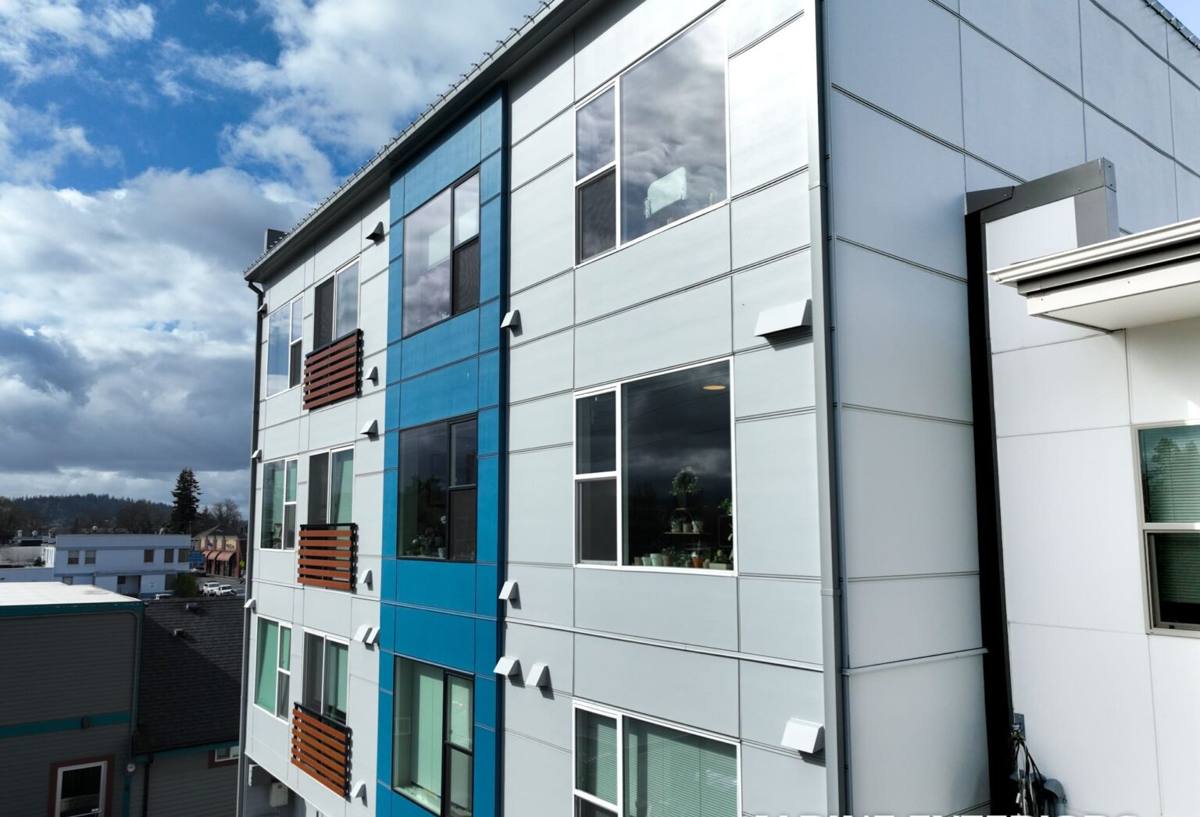
What "Energy-Efficient" Actually Means Here
The label gets used loosely. For a window to actually earn it in this climate, three things need to line up: the frame, the glass, and the seal between the window and the wall. Any one of those done wrong undermines the other two.
Frame Materials
We see three frame types most often on jobs in this area, and each comes with real trade-offs — not a "best" and "worst," just different maintenance and performance profiles:
- Vinyl — Low maintenance, good thermal performance, and the most budget-friendly option. Quality varies a lot between manufacturers; thin-walled vinyl can warp and its seals fail faster in freeze-thaw cycles.
- Fiberglass — Expands and contracts at nearly the same rate as glass, which means tighter long-term seals and less stress on the glazing. Costs more up front, holds up very well in wet, temperature-swinging climates.
- Wood and wood-clad — Best look for older or character homes, but wood is the highest-maintenance option in a region with a long moss and mildew season. It needs an owner who's willing to keep up with finish and caulk checks.
Glass and Coatings
Double-pane, argon-filled glass with a low-E coating is the baseline we recommend for this area — triple-pane can make sense on north-facing walls or homes right along a windy exposure, but it adds weight and cost that isn't always worth it on a standard elevation. The low-E coating matters more here than people expect: it reflects radiant heat back into the room in winter and blocks it in summer, without changing how much visible light comes through.
Signs Your Current Windows Are Losing the Battle
Most homeowners don't replace windows because they woke up one day wanting new windows — they replace them because the old ones started causing problems. Here's what we look for during an assessment, and what you can check yourself:
- Condensation or fog forming between the panes (a failed seal, not a cleaning problem)
- Visible daylight or a draft around the frame when the window is latched shut
- Wood trim or sill that's soft, discolored, or holding moss/mildew growth
- Windows that are difficult to open, close, or lock — often a sign the frame has shifted or swollen
- A noticeable jump in heating costs without any other change in the home
- Paint or caulk failing repeatedly at the same spot around a window, even after touch-ups
Any one of these on its own might just need a repair. Several together, especially on windows original to the house, usually means the frame and seal are past the point where repair makes sense.
How We Handle a Window Replacement Job
Assessment and Measurement
We start by looking at the wall assembly, not just the window opening — what's behind the trim matters as much as what's in front of it. We check for existing water damage, confirm rough opening sizes, and talk through frame material and glass package options based on the home's exposure (a wall that catches driving rain off prevailing winds gets treated differently than a sheltered one).
Removal and Moisture Management
This is the step that separates a window job that lasts twenty years from one that leaks in five. When we pull the old window, we inspect the sheathing and framing underneath for hidden rot before anything new goes in. Flashing gets integrated with the house wrap correctly — lapped so water sheds outward and down, never trapped behind the new unit. In a climate with as much driving rain as this one gets, this step is where most window failures actually start, long before the glass or hardware ever becomes the problem.
Installation and Air Sealing
The window gets shimmed level and square, fastened per the manufacturer's spec, and insulated around the perimeter with a low-expansion foam or backer rod — never packed solid, which can bow the frame. Exterior trim and caulking are finished last, sealing the assembly against wind-driven rain without trapping moisture inside the wall.
Windows and Siding: Why It's Worth Doing Together
Because window replacement and siding replacement both open up the same wall assembly, timing them together saves money and produces a better result than doing them separately. If we're already pulling siding off a wall, integrating new window flashing into fresh house wrap is more thorough and less expensive than cutting into finished siding later to fix a window. If your siding still has years of life left, that's fine too — windows can absolutely be replaced on their own without disturbing good siding. We'll tell you honestly which situation you're in rather than pushing a bundled job you don't need.
What Affects the Cost
| Factor | Lower Cost | Higher Cost |
|---|---|---|
| Frame material | Standard vinyl | Fiberglass or wood-clad |
| Glass package | Double-pane, argon, low-E | Triple-pane or specialty coatings |
| Installation type | Insert (into existing frame) | Full-frame with new flashing |
| Wall condition | No hidden damage found | Rot or sheathing repair needed |
| Window count | Whole-house at once | One-off, piecemeal replacement |
| Trim and sills | Standard vinyl or aluminum cladding | Custom wood trim to match existing |
Full-frame replacement costs more than an insert job because it removes and rebuilds the flashing entirely, but it's the only correct option when there's any doubt about moisture behind the existing window. We'll always tell you which one your home actually needs rather than defaulting to the cheaper option and hoping.
Serving Aldergrove, BC from Our Lynden Base
Aldergrove sits close enough to Lynden that we regularly work on both sides of the border, and the building challenges are nearly identical — the same coastal-influenced weather, the same moss and mildew pressure, the same driving rain off winter storms. We handle the logistics of scheduling and material delivery for cross-border jobs as part of quoting the work, so it's one less thing for you to coordinate. What doesn't change is the standard: the same flashing detail, the same air-sealing approach, and the same honest assessment of what your home actually needs, whether the job is a few miles south of the line or a few miles north of it.
Maintenance in a Marine, Mossy Climate
Even the best window benefits from a little upkeep in this environment. A few habits go a long way:
- Rinse frames and sills once or twice a year to clear salt residue and organic buildup before it holds moisture
- Check exterior caulk lines each spring for cracking or separation, and touch up early
- Keep gutters and downspouts clear so runoff isn't sheeting directly down over window heads
- Wipe condensation off interior sills through the wet months to keep wood trim and paint from breaking down
- Clear moss or debris off any horizontal trim or sill ledges before it holds water against the frame
None of this takes much time, but skipping it is how a good window installation starts looking like a bad one after a few years.
If your windows are drafty, fogged, or original to a home that's due for an update, we're happy to take a look and give you a straightforward, no-pressure estimate — no obligation, just an honest read on what your home needs and what it'll cost to fix it right.