 Lynden Siding
 Deck Replacement for Everson Homes Near Lynden
Everson sits in the wetter, greener stretch of Whatcom County, and decks out here take a beating that decks in drier parts of the state never see. Between the long stretch of fall-through-spring rain, the moisture that rolls in off the Nooksack River valley, and moss that will colonize any shaded, damp surface within a season or two, a deck built without this climate in mind starts failing years before it should. We replace decks for homeowners in and around Everson, and the work is built around what actually happens to wood and hardware here — not a generic national spec.
A deck replacement isn't just tearing off old boards and nailing down new ones. It's a chance to fix whatever caused the last deck to fail — usually moisture trapped somewhere it shouldn't have been — and rebuild so the next one lasts. That's the job we focus on for this page: full deck replacement, done right, for homes in the Everson area.
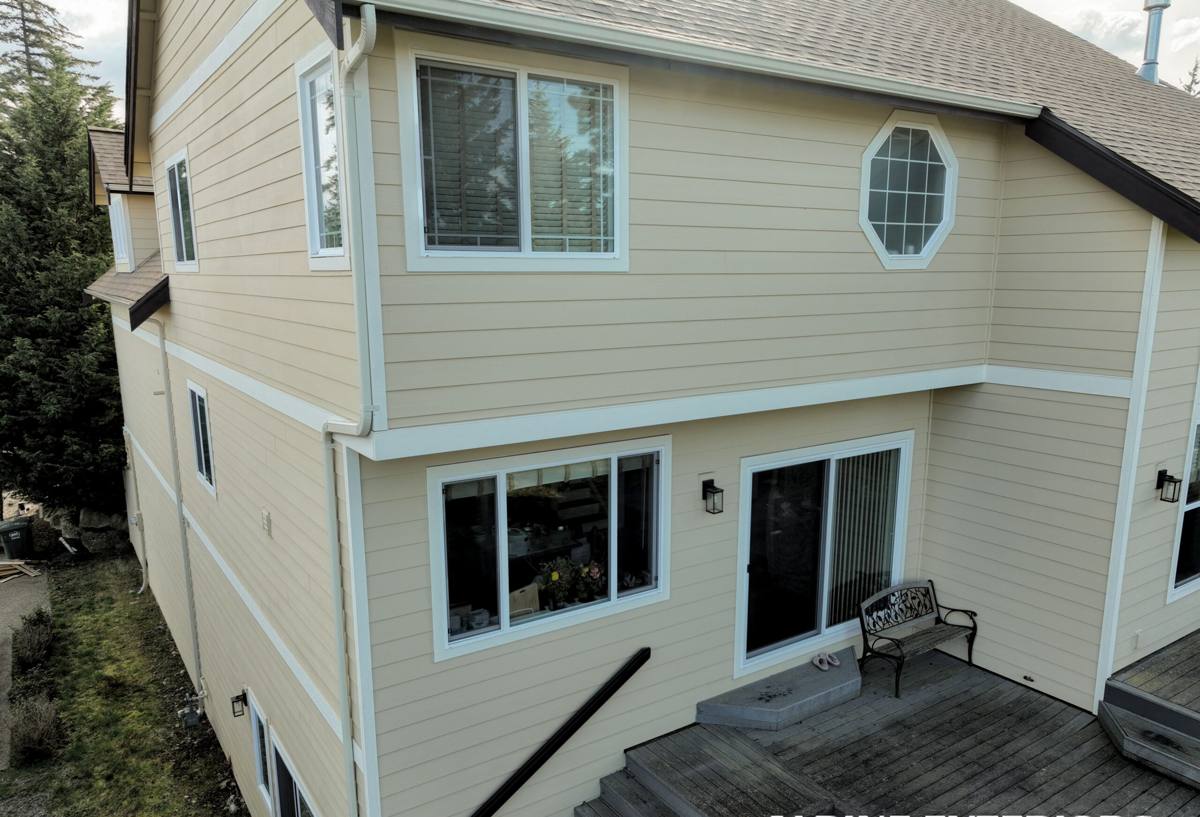
What Whatcom County Weather Does to a Deck
Driving rain doesn't just fall straight down — wind pushes it sideways into ledger boards, under railings, and into any gap where flashing was skipped or done wrong. Over years, that moisture works into end grain, fastener holes, and the joint where the deck meets the house. That's where rot almost always starts, and it's usually invisible from the top until the damage is well underway.
Then there's moss. Anywhere a deck gets shade for part of the day — under trees, near the north side of a house, beneath a covered porch — moss and algae will take hold on wood surfaces that stay damp. Beyond making boards slick and dangerous underfoot, moss holds moisture against the wood constantly, which accelerates rot in exactly the areas that already dry out slowest.
Salt-tinged, moisture-heavy air moving in off the sound adds a slower but steady toll too — it speeds up corrosion on fasteners, brackets, and any exposed metal hardware, which is part of why we don't cut corners on hardware grade when we rebuild a deck out here.
Where This Shows Up First
- Ledger board connection to the house — the single most common failure point on older decks
- Joist ends and any cut lumber where the factory treatment was compromised
- Post bases sitting in or near standing water or mulch beds
- Fastener heads and structural brackets, especially older galvanized (not stainless) hardware
- Stair stringers, which take rain runoff from the whole deck surface
Signs a Deck Needs Replacing, Not Just Patching
Not every tired-looking deck needs a full rebuild — sometimes a board swap and a re-stain is enough. But there's a point where patching individual boards is just delaying a bigger problem, and in our climate that point comes faster than most homeowners expect. A few honest signs it's time to replace rather than repair:
- A screwdriver sinks into the ledger board, joists, or posts with light pressure — that's active rot, not surface weathering
- The deck feels springy or bouncy in the middle, not just at the edges
- Multiple boards are cupping, splitting, or soft, rather than one or two isolated spots
- Railings wobble at the post connections
- The deck was built without proper ledger flashing — common on older homes, and a repair won't fix a design flaw
- You're re-staining or sealing every year just to keep moisture out, and it's still getting in
If it's isolated to a board or two and the frame underneath is solid, repair is the honest answer and we'll say so. Full replacement makes sense when the structure itself — ledger, joists, posts, or footings — is compromised, or when patch after patch has stopped being worth the labor.
What a Correct Deck Replacement Involves
Structure First
Everything above the frame is cosmetic compared to what's underneath. A correct replacement starts with the ledger connection — properly flashed and fastened so water sheds away from the house rather than into it — then sound footings sized for the deck's actual load, and joists spaced and sized to the span, not just "what was there before." A lot of older Whatcom County decks were built to whatever code existed decades ago, or with no permit at all, and part of doing this right is bringing the structure up to a standard that will actually hold up to another 20-plus years of local rain.
Decking and Railing
Once the frame is sound, the decking material and railing system are where climate performance and appearance come together. We'll walk through the honest trade-offs between wood and composite below, but the installation details matter as much as the material choice — proper board spacing for drainage and seasonal movement, correct fastening so boards don't cup or work loose, and railing posts anchored into the structure, not just the fascia board.
Drainage and Grading
A deck that dries out fast lasts longer than one that doesn't, regardless of material. That means gaps that actually let water through, ventilation underneath so the framing can breathe, and grading nearby so water isn't pooling against posts or footings after every rain.
Material Options for a Whatcom County Deck
| Material | How It Handles Our Climate | Maintenance | General Cost Position |
|---|---|---|---|
| Pressure-treated lumber | Good rot resistance when properly sealed and maintained; still needs consistent upkeep against moss and moisture | Annual cleaning, periodic staining/sealing | Lowest upfront cost |
| Cedar | Naturally moisture- and insect-resistant, ages well, but softer surface shows wear from moss and rain over time | Regular cleaning and re-sealing to hold color and resist moss | Mid-range |
| Composite decking | Doesn't absorb water or rot, resists moss growth on the surface far better than wood | Occasional washing; no staining or sealing | Higher upfront, lower long-term maintenance cost |
We don't push one material over another as "the only right answer" — each has a real trade-off. Pressure-treated wood is the budget-conscious choice but demands the most consistent maintenance to keep moss and rot at bay in this climate. Cedar looks great and holds up structurally but needs attention to stay ahead of surface weathering. Composite costs more going in but takes the maintenance burden almost entirely off your plate, which matters a lot in a climate where moss and moisture never really take a season off. What we won't do is install decking without properly addressing the substructure underneath it — the best decking material in the world still fails early over a poorly built frame.
Our Deck Replacement Process
- Site visit and assessment. We look at the existing deck's frame, ledger connection, footings, and drainage to determine what's actually failing and why.
- Honest scope and estimate. You get a clear picture of what needs full replacement versus what can be reused, with pricing that reflects the real condition of the structure.
- Permitting. Deck rebuilds typically require a permit in Whatcom County jurisdictions — we handle that process so it's done correctly, not skipped.
- Tear-out. Old decking, railing, and any compromised framing come out, with the site protected and cleaned up as we go.
- Framing and flashing. New ledger flashing, joists, and footings go in to current standards, built for this area's rain load rather than a generic minimum.
- Decking and railing installation. Your chosen material goes down with proper spacing, fastening, and code-compliant railing.
- Final walkthrough. We check the finished deck with you before calling the job done.
Why a Crew That Already Works Everson Matters
Deck failures in this part of Whatcom County follow patterns — the same ledger flashing mistakes, the same shaded north-side moss buildup, the same drainage issues near foundations that sit close to grade. A crew that regularly works Everson and the surrounding Lynden area has already seen those patterns on other homes and knows what to check for before it becomes a bigger problem. That's different from a crew that mostly works drier inland regions and treats every deck the same way regardless of climate.
It also means straightforward logistics — knowing local permitting requirements, being familiar with the area's typical soil and drainage conditions for footing work, and being available for a follow-up visit without a long drive. For a project that's outdoors and exposed to weather from the day it's built, working with a crew that understands the local conditions isn't a nice-to-have, it's part of getting a deck that actually lasts.
Keeping a New Deck Ahead of Moss and Moisture
A well-built deck still needs some seasonal attention in this climate. A few habits go a long way:
- Sweep leaves and debris off the surface regularly, especially in fall — trapped organic matter holds moisture and feeds moss
- Clean shaded areas of the deck more often than sun-exposed areas, since that's where moss takes hold first
- Check that drainage gaps between boards stay clear, not packed with dirt or debris
- Inspect the ledger board area once a year for any sign of staining or softness
- Re-seal wood decking on the schedule appropriate to the product — don't wait until it's visibly gray and dry
- Keep gutters and downspouts near the deck clear so runoff isn't dumping directly onto or under it
If you're in Everson or nearby and your deck is showing its age, we're happy to take a look and give you a straight answer on whether it needs a full replacement or just targeted repair. Reach out for a free, no-pressure estimate — the form below gets you started.