 Lynden Siding
 Why Ferndale Windows Wear Out Differently
Ferndale sits close enough to the water that salt-laden air reaches window frames, hardware, and glazing seals long before most homeowners notice a problem. Add in Whatcom County's steady pattern of wind-driven rain off the water and a moss season that can run most of the year in shaded, north-facing spots, and you get a climate that is genuinely tougher on windows than the marketing brochures assume. Aluminum hardware pits and sticks. Wood sashes hold moisture and swell. Insulated glass units fog from the inside out. None of this happens overnight — it's a slow, cumulative process, which is exactly why so many homes end up with windows that look fine from the curb but perform poorly.
"Energy-efficient" isn't a marketing label we slap on a window — it's a specific combination of glass, frame, and installation choices that actually holds up to this region's damp, salt-touched air and keeps conditioned air where it belongs.
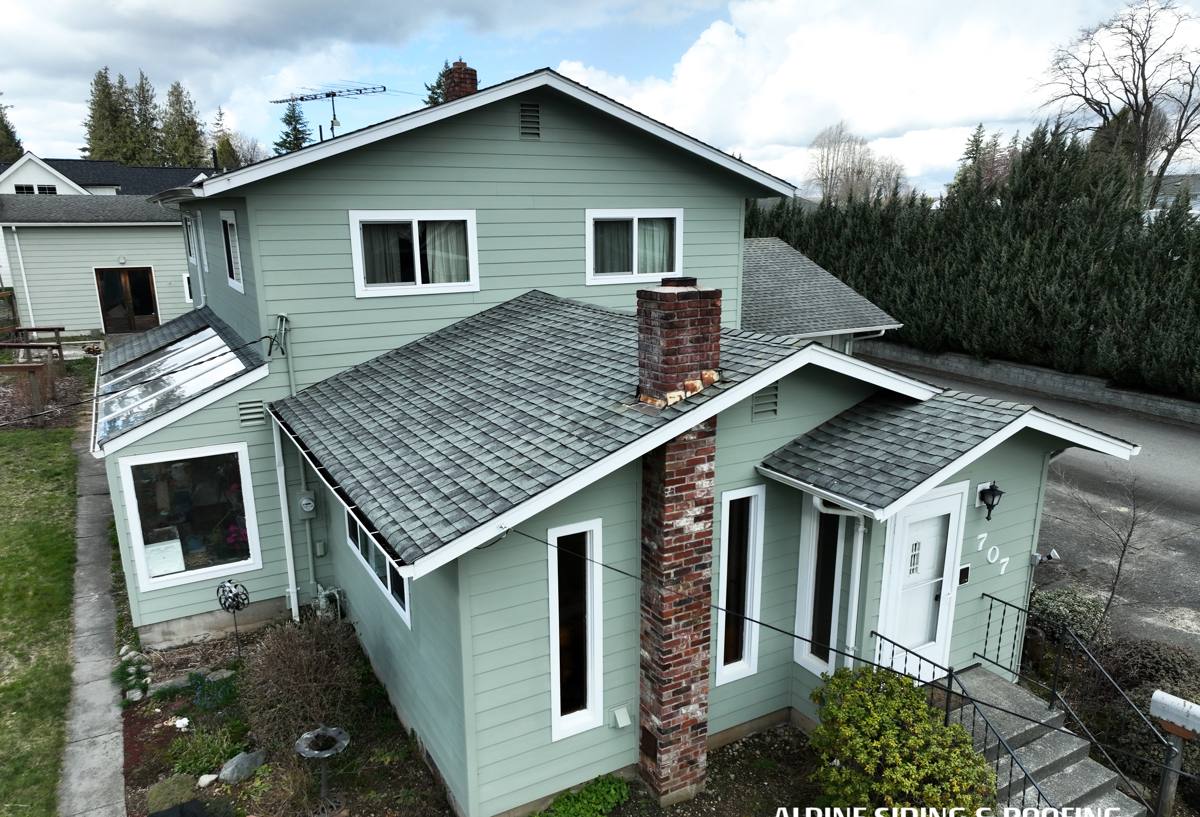
What Energy Efficiency Actually Means in This Climate
A lot of window sales pitches lean on one number and call it a day. In Whatcom County's marine climate, several factors matter together, and none of them work in isolation.
U-Factor Matters More Than SHGC Here
U-factor measures how much heat a window lets escape — lower is better, and it's the number that matters most for our mild-but-persistently-cool, overcast climate. Solar heat gain coefficient (SHGC) matters more in hot, sunny climates; here it's a secondary consideration except on south- and west-facing rooms that get real afternoon sun in summer.
Low-E Coatings and Gas Fills
Low-E coatings reflect heat back into the room in winter and block some UV that fades flooring and furniture. Argon gas fill between panes, paired with a warm-edge spacer, slows heat transfer and helps prevent the interior condensation that's common in older, poorly sealed windows during our cold, damp mornings.
Condensation Is a Real Signal, Not Just an Annoyance
Interior condensation on glass or foggy trapped moisture between panes isn't cosmetic — it's a sign the seal has failed or the window's thermal performance can't keep pace with the humidity in the home. Left alone, that moisture works into sills and framing, and in a climate with as long a wet season as ours, that's how rot and mold get a foothold.
Signs Your Current Windows Are Underperforming
Most homeowners don't replace windows because one thing breaks — they replace them because a handful of small issues add up. Walk your home and check for these:
- Fog or haze trapped between panes (a failed seal — this can't be cleaned, only replaced)
- Noticeable drafts near the frame on a windy day
- Condensation on the inside of the glass during cold mornings
- Sashes that stick, swell, or won't latch properly
- Corroded or pitted hardware, especially on aluminum-frame windows
- Rising heating bills without a clear explanation
- Moss or algae staining on exterior sills, trim, or the siding directly below a window
- Soft, discolored, or visibly rotting wood at the window's exterior casing
What a Correct Installation Actually Involves
Window performance is only half about the product — the other half is how it's installed. This is where a lot of energy-efficient windows underperform their rating, and it's almost always a workmanship issue, not a product issue.
Flashing and Weather Barrier Integration
Every window opening needs a flashing sequence that sheds water down and out, integrated with the home's existing weather-resistive barrier — not just caulked around the edges and called done. In a climate with as much driving rain as ours, a gap or shortcut here is exactly where water finds its way into the wall cavity, usually silently, for months or years before it shows up as a stain or soft spot.
Air Sealing and Insulation Without Overpacking
The gap between the window frame and the rough opening needs to be insulated and air-sealed correctly — enough to stop drafts, but not packed so tight with expanding foam that it bows the frame and interferes with the window's operation. This is a detail that separates a careful installer from a fast one.
Matching Window Work With Siding and Trim
Because we work in siding as much as windows, we pay close attention to how a new window ties into the surrounding cladding and trim. A window replaced without addressing damaged trim or compromised siding around it just relocates the moisture problem instead of solving it.
Frame Material: What Holds Up Near the Water
Every frame material has trade-offs. In a coastal-influenced, high-moisture climate like Ferndale's, some of those trade-offs matter more than they would further inland.
| Frame Material | Salt Air / Moisture Behavior | Maintenance | Typical Lifespan |
|---|---|---|---|
| Vinyl | Doesn't corrode; performs consistently in damp, salt-influenced air | Low — occasional cleaning | 20-30+ years |
| Fiberglass | Very stable dimensionally; excellent moisture and corrosion resistance | Low | 30-40+ years |
| Wood (clad exterior) | Good if the cladding stays intact; exposed wood is vulnerable to our wet season | Moderate to high — depends on cladding condition | 20-30 years with upkeep |
| Aluminum | Prone to pitting and hardware corrosion in salt-influenced air over time | Moderate — hardware needs attention | 15-25 years |
We don't push one material as the only right answer — the right choice depends on your home's style, budget, and how exposed a particular elevation is to wind and rain. What we won't do is install a product in a location where its known weaknesses (like an aluminum frame on a wind-exposed, rain-driven wall) set it up to fail early. That's a standard we hold ourselves to, not a knock on any manufacturer.
Our Process, Start to Finish
- Free on-site assessment — we look at each window individually, not just the house as a whole, since exposure varies by elevation
- Product and glass package selection based on that window's exposure and your priorities
- Accurate measurement and ordering
- Careful removal, with the opening checked for hidden moisture damage before anything new goes in
- Flashing and weather barrier integration, then installation and shimming
- Air sealing, insulation, and interior/exterior trim finish work
- Final walkthrough with you and full site cleanup
If we find rot or moisture damage once a window is out — which does happen, especially on older homes — we'll show you what we found and talk through the repair before covering it back up. That's not an upsell tactic; it's the only honest way to handle a problem that would otherwise get sealed behind a brand-new window.
What Actually Drives Cost
Window pricing varies a lot, and most of that variation comes down to a short list of factors rather than the brand name on the sticker.
| Factor | How It Affects Cost |
|---|---|
| Full-frame vs. insert (pocket) replacement | Full-frame costs more but is often necessary when there's frame damage or you're changing window size |
| Glass package | Double-pane with low-E and argon is standard; triple-pane or upgraded coatings add cost for marginal extra performance in this climate |
| Frame material | Vinyl is generally the most budget-friendly; fiberglass and wood-clad cost more upfront |
| Number and size of openings | Larger openings and specialty shapes cost more per unit |
| Trim and siding repair needed | Hidden rot or damaged siding around the opening adds labor and material |
| Access | Second-story or hard-to-reach windows take more time and equipment |
We'll always break these out for you in writing rather than quoting one lump number, so you can see exactly where your money is going.
Why Hire a Crew That Already Works in Ferndale
A window installer who mostly works inland or in drier climates isn't necessarily wrong about window products — but they may not think about flashing details, drainage, or hardware selection the same way someone who works this specific stretch of Whatcom County does day in and day out. We see the same patterns repeatedly: which elevations take the worst of the driving rain, where moss and algae build up fastest, which older window styles in this area tend to have hidden rot behind the trim. That local pattern recognition shortens the guesswork and helps us catch problems during the estimate instead of after the wall is opened up.
It also means scheduling around actual weather windows rather than an out-of-town crew's best guess, and being available afterward if a question comes up — we're not driving in from somewhere else.
Maintenance That Actually Extends Window Life Here
New windows still need some upkeep in this climate — it's minor, but skipping it shortens their working life.
- Rinse frames and hardware periodically to clear salt residue, especially on wind-exposed sides of the house
- Keep weep holes at the bottom of the frame clear of dirt, moss, and debris so water can drain out
- Inspect exterior caulking each year before the wet season sets in, and address any cracking early
- Keep gutters and downspouts clear so water isn't sheeting down over window headers
- Deal with moss on nearby roofing or trim promptly — spores travel, and moss holding moisture against a window frame accelerates wear
If your windows are drafty, fogged, hard to operate, or just older than you'd like to admit, we're happy to take a look and give you an honest read on what's worth replacing now versus what can wait. Fill out the form below for a free, no-pressure estimate.