 Lynden Siding
 Window Replacement Built for Ferndale's Weather, Not a Showroom
Ferndale sits close enough to the water and the marine flow off Bellingham Bay that its windows take a different kind of beating than homes ten or fifteen miles inland in Lynden. Salt-tinged air, wind-driven rain that hits window walls at an angle instead of straight down, and a moss season that runs longer than most homeowners expect all work on window frames, seals, and hardware year after year. A window replacement job that ignores that reality — using materials or install methods better suited to a dry inland climate — tends to show its age fast. This page covers what actually matters for window replacement in Ferndale: what the climate does to windows over time, what a correct install involves, how we approach the job, and what it costs.
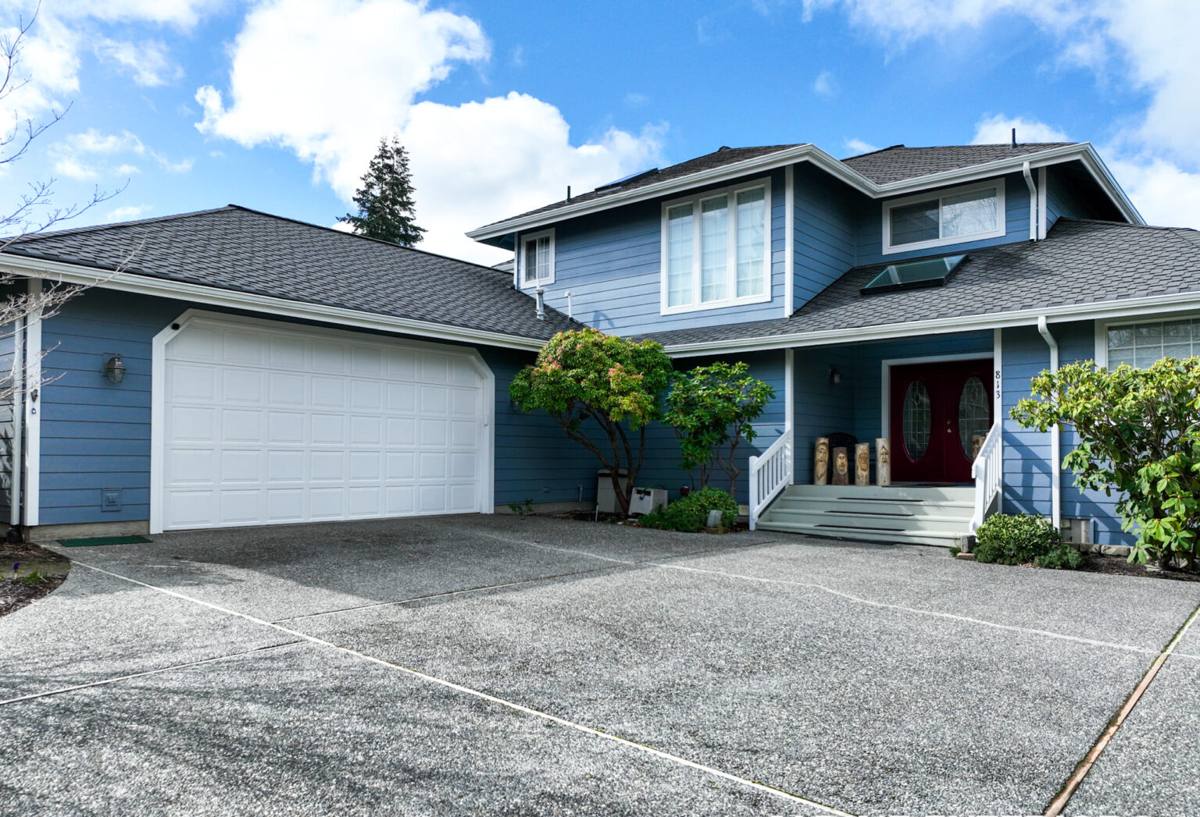
What Whatcom County's Climate Does to Windows Over Time
Three things drive most of the window failures we see on service calls in and around Ferndale:
Salt Air
Homes closer to the coast deal with airborne salt that settles on exterior surfaces. Over years, it accelerates corrosion on window hardware — hinges, locks, balance systems, and especially unprotected aluminum components. It also breaks down some sealants faster than a dry inland climate would, which is why sealant choice and reapplication schedules matter more here than in most parts of the state.
Driving Rain
Wind off the water pushes rain sideways into window walls rather than letting it run straight down the siding. That means flashing details, sill pans, and the water management behind the window — not just the caulk bead you can see — are what actually keep water out. A window that looks properly sealed from the outside can still leak if the flashing underneath wasn't lapped correctly.
A Long Moss Season
Whatcom County's moss season stretches longer than drier parts of the state, and it doesn't confine itself to roofs. Moss and algae growth on window sills, trim, and the shaded sides of a house holds moisture against wood and composite surfaces for extended periods. On older wood-framed windows especially, that prolonged dampness is a major contributor to rot at the sill and lower corners — often before a homeowner notices anything wrong from inside.
Signs a Ferndale Home Needs New Windows
Not every drafty window needs full replacement, but these are the signs worth taking seriously in this climate:
- Soft or spongy wood at the sill or lower window corners — usually rot, not just cosmetic damage
- Persistent condensation between panes on double- or triple-glazed units (a sign the seal has failed)
- Visible daylight or a noticeable draft at the frame edges even with the window fully latched
- Hardware — locks, cranks, balances — that's corroded, seized, or requires force to operate
- Paint or finish that keeps failing in the same spot no matter how often it's touched up
- Moss or dark staining building up on the sill or bottom trim faster than it can be cleaned off
- Noticeably higher heating bills alongside cold spots near windows in winter
What a Correct Window Replacement Job Actually Involves
The window unit itself is only part of the job. In a climate that drives rain sideways into the wall, the details around the window are what determine whether the install holds up.
Removal and Opening Inspection
Once the old window is out, the rough opening gets inspected for hidden rot or water damage before anything new goes in. Skipping this step is how new windows end up installed over old problems.
Flashing and Water Management
Proper flashing — installed in the correct shingle-lap sequence so water sheds down and out, never in — is the single most important part of keeping a Ferndale window dry through a wet winter. A sill pan at the bottom of the opening gives any water that does get past the exterior seal somewhere to go besides your wall framing.
Sealing and Insulation
Low-expansion foam and appropriate sealants around the frame close air gaps without bowing the window frame out of square — a common mistake with the wrong foam product. Exterior sealant beads need to be compatible with the window and siding materials and applied in weather that lets them cure properly.
Hardware and Finish
In a salt-air environment, hardware finish matters. Corrosion-resistant fasteners and hardware hold up noticeably longer than standard-grade options, and it's worth specifying that up front rather than after a lock seizes in year four.
Choosing Window Materials for This Climate
There's no single "best" window material for every home — it depends on budget, how exposed the home is to weather, and how the windows will be finished. Here's how the common options hold up specifically against salt air, driving rain, and prolonged damp conditions:
| Material | Coastal/Salt-Air Performance | Moisture & Moss Exposure | Maintenance |
|---|---|---|---|
| Vinyl | Won't corrode; performs well near salt air | Handles standing moisture well; doesn't rot | Low — occasional cleaning |
| Fiberglass | Very stable, resists corrosion and expansion/contraction | Excellent moisture resistance; dimensionally stable when wet | Low — durable finish |
| Wood (clad exterior) | Exterior cladding protects the wood, but any breach exposes it to rot | Vulnerable at any point where cladding seal fails, especially at sills | Higher — sill and joint inspection matters |
| Aluminum | Prone to corrosion and pitting in salt air unless well-finished | Conducts cold and can promote condensation in this wet climate | Moderate to high |
For most Ferndale homes, we steer people toward vinyl or fiberglass because they hold up to salt air and sustained dampness without the ongoing maintenance burden wood-clad units carry. That's not a knock on wood windows — they can look great and perform fine — it's just an honest trade-off: they need more consistent upkeep in this specific climate to avoid sill and joint problems down the road, and we'd rather tell you that up front than sell you a product that needs babying.
Our Process, Start to Finish
1. On-Site Assessment
We look at each window opening individually — not just the glass, but the sill, the surrounding siding, and any signs of past water intrusion. Homes closer to the water sometimes need extra attention at north- and west-facing openings where wind-driven rain hits hardest.
2. Straight Recommendation
You get options in plain terms: what material fits your budget, what's overkill for your exposure, and what we'd actually put in our own house. No pressure to upgrade beyond what the home needs.
3. Install Day
Old windows come out, openings get inspected and repaired if needed, then new units go in with proper flashing, sill pans, and sealant. We don't rush flashing details to save time — it's the part of the job nobody sees but everyone eventually feels if it's done wrong.
4. Final Check and Cleanup
Every new window gets operated and checked for square, level, and proper seal before we call the job done. Job site debris and old windows are hauled off — you're not left to deal with disposal.
What Affects the Cost of Window Replacement in Ferndale
Costs vary by window size, material, number of openings, and site conditions, but here are the main factors that move the number up or down:
| Factor | Effect on Cost |
|---|---|
| Window material (vinyl vs. fiberglass vs. wood-clad) | Vinyl is typically the most affordable; fiberglass and wood-clad cost more |
| Number of windows replaced at once | Doing multiple windows in one visit usually lowers the per-window cost |
| Rot or damage found at the opening | Repairing hidden rot adds labor and material beyond the window itself |
| Window size and configuration | Larger units, bays, and custom shapes cost more than standard sizes |
| Glazing upgrade (double vs. triple pane) | Triple-pane and upgraded low-E coatings add cost but improve comfort |
As a broad reference point, a standard vinyl retrofit window installed correctly often runs somewhere in the low-to-mid hundreds to over a thousand dollars per opening depending on size and glazing, with fiberglass and larger or custom units running higher. Every home is different, which is why we give real numbers after seeing the actual openings, not a phone quote based on guesswork.
Why Hiring a Crew That Already Works in Ferndale Matters
A contractor who works this specific stretch of Whatcom County already knows which sides of a house typically take the worst weather, how moss builds up on sills here compared to drier climates, and which materials and flashing details actually hold up over a Pacific Northwest winter rather than just look good on install day. That local pattern recognition is worth more than a generic install crew that treats every job the same regardless of where it sits relative to the coast.
If you're seeing drafts, condensation, sticking hardware, or sill damage on a Ferndale home, we're happy to take a look and give you a straight, no-pressure estimate — just fill out the form below to get started.