 Lynden Siding
 Roof Replacement Built for Sumas Weather, Not a Generic Spec Sheet
Sumas sits right up against the Canadian border in northern Whatcom County, a few minutes from Lynden, and the roofs out here take a specific kind of beating. It's not the same weather profile as Seattle or even Bellingham twenty minutes south. You've got cold air draining down out of the Fraser Valley, long stretches of low-intensity rain that never seems to fully stop, and enough marine moisture pushing inland that moss and algae get a serious head start on any roof that isn't shedding water fast. A roof replacement done right here has to account for all of that, not just meet a generic manufacturer spec sheet written for a drier climate.
We're a Lynden-based crew, and Sumas is inside our regular service area — not a stretch job we take when things are slow. That matters more than it sounds like it should, and we'll get into why further down.
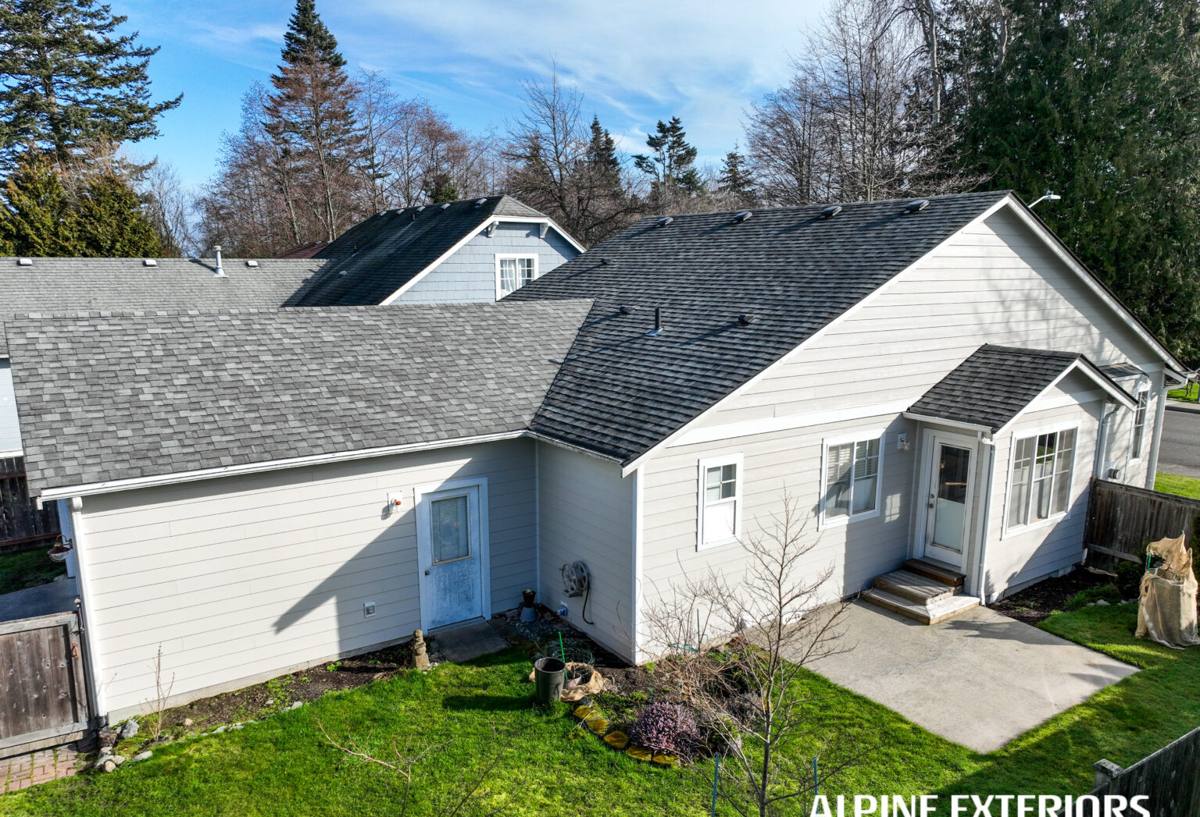
What Sumas-Area Homes Actually Need From a New Roof
Moss and Algae Pressure
The long, wet, shaded winters in this part of Whatcom County are close to ideal moss-growing conditions. Moss isn't just cosmetic — it holds moisture against the roof surface, works its way under shingle tabs, and lifts material over time, which shortens the life of an otherwise good roof. A correct replacement uses roofing materials rated for algae resistance where it makes sense, plus proper ventilation and drainage detailing so water doesn't sit long enough for moss to take hold in the first place.
Driving Rain and Wind-Driven Water
Rain here often comes sideways more than straight down, especially with the wind that funnels through the valley. That means water can get pushed up under shingle edges, around flashing, and into valleys in ways a purely vertical-rain design wouldn't anticipate. Underlayment quality and flashing detail matter as much as the shingle or metal on top — arguably more, since that's what stops water that gets past the surface layer.
Salt Air, Even This Far Inland
Sumas isn't coastal, but this region still sees salt-influenced air moving in off the Sound and up through the lowlands, and it's enough over the years to accelerate corrosion on unprotected fasteners, flashing, and metal roofing components. We spec fasteners and flashing metals with that in mind rather than using whatever's cheapest at the supply house.
Temperature Swings and Ice
Winters up near the border can dip colder than what Lynden or points south typically see, with occasional hard freezes after a wet stretch. That combination is exactly what causes ice damming at eaves and valleys if attic ventilation and insulation aren't handled correctly during the tear-off.
What a Correct Roof Replacement Actually Involves
A roof replacement isn't just stripping old shingles and nailing down new ones. Skipping steps below is the single biggest reason a "new roof" fails early.
- Full tear-off to the deck — not a layover — so we can actually inspect what's underneath
- Deck inspection and repair of any soft, delaminated, or water-damaged sheathing before anything new goes down
- Ice-and-water shield at eaves, valleys, and penetrations, sized for our freeze-thaw pattern
- Synthetic underlayment across the full deck for a secondary water barrier
- New flashing at every wall intersection, chimney, skylight, and vent — reused flashing is a common shortcut and a common leak source
- Balanced intake and exhaust ventilation so the attic can actually dry out between wet spells
- Proper nailing pattern and exposure per manufacturer spec, not "close enough"
- Final walk-through covering gutters, downspout tie-ins, and cleanup
Material Options for This Climate
| Material | How It Handles Local Conditions | Trade-Offs to Know |
|---|---|---|
| Architectural asphalt shingle (algae-resistant) | Good value; algae-resistant granules slow moss/algae growth on a wet, shaded roof | Still needs periodic moss treatment; lifespan shorter than metal |
| Standing seam metal | Sheds driving rain fast, very low maintenance, long service life | Higher upfront cost; needs correctly detailed fasteners and flashing to resist corrosion long-term |
| Synthetic/composite shingle | Resists moisture absorption and impact well | Product and installer quality varies more than with asphalt or metal; verify warranty terms carefully |
| Cedar shake | Traditional look that fits older farmhouse-style homes in the area | Highest maintenance burden in a wet climate — we'll walk you through the honest upkeep before you commit |
We don't push one material on every job. What's right depends on your roof's pitch, how much shade it gets, your budget, and how much ongoing maintenance you actually want to do. We'll give you the honest trade-offs, not just the upsell.
How Our Process Works
1. On-Site Inspection
We walk the roof, check the attic for ventilation and moisture issues, and look at how water currently drains off the structure. This tells us more than a satellite measurement ever could.
2. Written Estimate
You get a clear scope — materials, tear-off, deck repair allowance, flashing, ventilation work — so there's no ambiguity about what's included before we start.
3. Scheduling Around Weather
We time roof replacements for stretches of the calendar with a realistic dry-weather window, and we tarp and protect the structure if conditions turn mid-project. A rushed roof put down between rain bands is how corners get cut.
4. Tear-Off and Deck Repair
Old material comes off, the deck gets inspected board by board, and anything soft or damaged gets replaced before new material goes down — not covered up.
5. Installation
Underlayment, flashing, and roofing material go down per manufacturer spec, with ventilation balanced correctly for your attic configuration.
6. Final Walk-Through
We check the finished roof with you, confirm gutters and drainage are tied in correctly, and make sure the site is cleaned up — nails, debris, and all.
Why a Crew That Already Works Sumas Makes a Difference
Roofing crews that mainly work drier climates or dense urban markets sometimes underspec ventilation and flashing because it's never bitten them before. We're not guessing at how this area behaves — we're a Lynden-based crew that already works Whatcom County roofs, including the Sumas area, on a regular basis. We know how moss builds up on north-facing slopes shaded by mature trees, how wind pushes rain sideways during winter storms, and which flashing details actually hold up against the freeze-thaw cycles we get near the border. That's not something you can fully substitute with a generic install checklist.
Local also means we're reachable after the job is done. If a question comes up two winters from now about a spot that's collecting moss faster than the rest of the roof, you're calling a crew that's still in the area and still stands behind the work — not chasing down a company that moved on to the next region.
Cost Factors Homeowners Should Understand
We don't publish blanket prices because roof replacement cost depends on real variables specific to your house:
| Factor | Why It Moves the Price |
|---|---|
| Roof size and complexity | More valleys, dormers, and penetrations mean more flashing work and labor time |
| Number of existing layers | Tear-off of multiple old layers takes longer and adds disposal cost |
| Deck condition | Rotted or delaminated sheathing found during tear-off adds material and labor |
| Material choice | Asphalt, synthetic, and metal roofing sit at very different price points |
| Ventilation upgrades | Adding or correcting intake/exhaust venting is often necessary but not always visible on a quick estimate |
| Access and pitch | Steep or hard-to-access roofs take longer and require more safety setup |
Anyone quoting a firm number before inspecting your roof and attic in person is guessing. We'd rather look first and tell you honestly what your roof needs.
Signs You Shouldn't Wait on a Roof Replacement
- Granule buildup collecting in gutters or at downspout outlets
- Shingles curling, cracking, or visibly lifting at the edges
- Moss buildup thick enough that it's lifting shingle tabs, not just sitting on the surface
- Daylight visible through the roof deck from inside the attic
- Water stains on ceilings or in the attic after heavy rain
- Roof is approaching or past the manufacturer's expected lifespan for its material
- Previous repairs are becoming frequent or aren't holding
Catching these early usually means a straightforward replacement. Waiting through another wet season often turns it into deck repair and interior damage as well.
If you're in the Sumas area and want a straight answer on whether it's time to replace your roof — or just want to know what shape it's in — we're glad to come take a look. Fill out the form below for a free, no-pressure estimate from a crew that already works this area.