 Lynden Siding
 Storm Damage Roof Repair Serving the Kendall Area
Homes in and around Kendall sit in one of the wetter, windier corners of Whatcom County. Between winter windstorms coming off the Fraser Valley, driving rain that never seems to let up for more than a few days at a stretch, and a moss season that runs longer here than in drier parts of the state, roofs in this area take a steady beating year after year. Most of the time a roof shrugs it off. But when a real storm hits — sustained wind, heavy gusts, or a rain event that sits over the area for days — that steady wear can turn into an actual failure point, and that's when you need a repair, not just a maintenance visit.
This page is about one thing: storm damage roof repair for homes in the Kendall area near Lynden. Not a full re-roof, not general upkeep — the specific work of assessing what a storm did to your roof and fixing it correctly so it doesn't come back as a bigger problem.
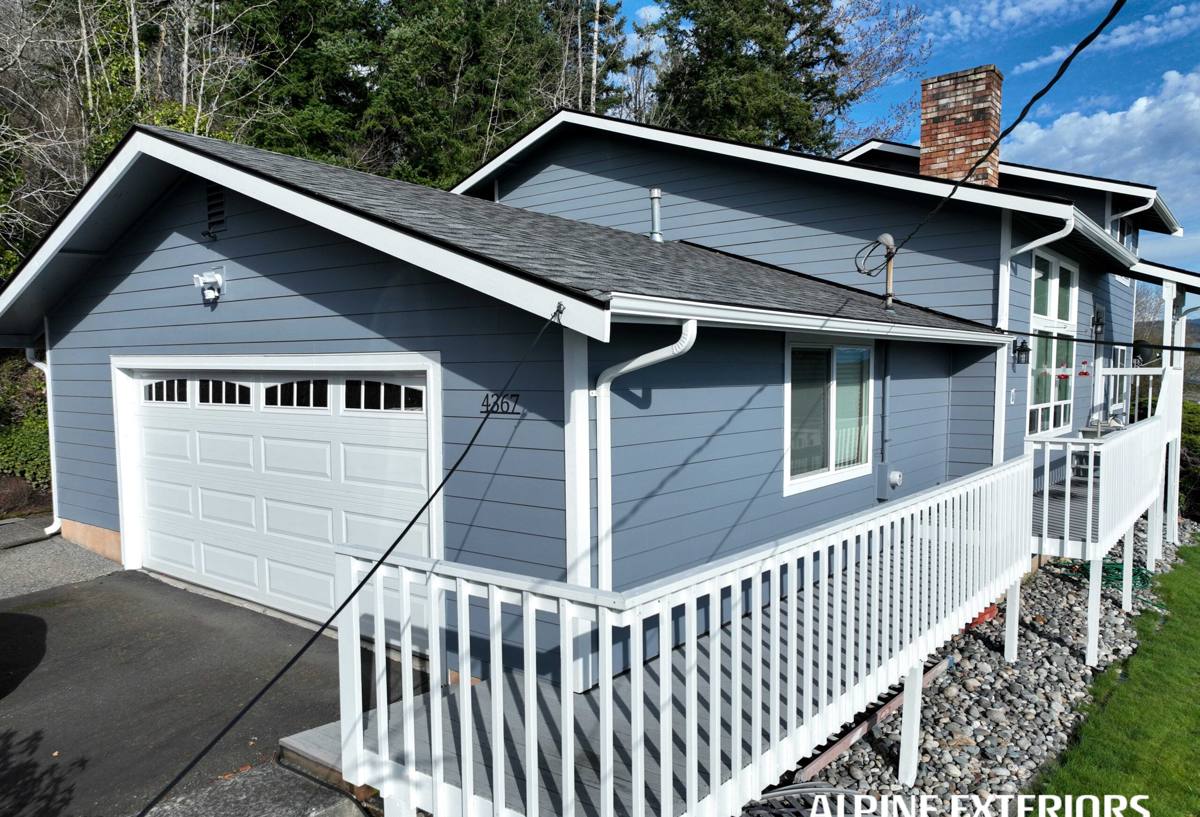
What Counts as Storm Damage on a Roof Here
Not every storm-related roof issue is dramatic. Some of it is obvious the day after a windstorm; some of it shows up weeks later as a stain on a ceiling. The categories we see most often in this area include:
- Wind-lifted or torn-off shingles, especially along ridge lines, eaves, and any edge exposed to prevailing wind
- Flashing pulled loose or bent around chimneys, skylights, and roof-to-wall transitions
- Fallen branches or debris that puncture, crack, or gouge roofing material
- Water intrusion where wind-driven rain got up under a lifted shingle or through a damaged seal
- Granule loss and accelerated wear where moss and standing moisture have already softened a roof's defenses, making it more vulnerable when a storm hits
- Gutter and downspout damage that redirects water somewhere it shouldn't go, backing it up under roofing material
That last two points matter more here than in a lot of places. A roof that's already carrying a moss load or holding moisture going into a storm is a roof that's more likely to actually fail under wind and rain, rather than just take cosmetic damage. Storm damage and long-term moisture damage are connected, not separate problems.
Damage That's Easy to Miss
The damage that costs homeowners the most isn't usually the obvious stuff — a missing shingle is easy to spot from the ground. It's the lifted shingle that didn't blow off but got its seal broken, or the flashing that shifted a quarter inch and now lets water track sideways under the roofing instead of running off. Those don't show up as a visible problem until there's a stain on a ceiling or damp insulation in the attic, sometimes weeks after the storm that actually caused it.
Why Timing Matters After a Storm
A roof with storm damage doesn't have to leak the day it's damaged. Given enough rain events in a row — which is normal for this part of Whatcom County in fall and winter — a small breach becomes a bigger one. Water finds the weak point, softens the decking around it, and the repair scope grows from "replace a section of shingles" to "replace shingles and sheathing." Getting a roof looked at soon after a storm, even if nothing is visibly wrong yet, is the cheapest insurance you can buy.
There's also a practical reason to move quickly if you're planning to file an insurance claim: documentation is easier and more convincing when the damage is fresh, and most policies have language about mitigating further loss once damage is discovered.
What a Correct Storm Damage Repair Actually Involves
The Inspection Comes First
We don't quote a storm repair off a photo or a description over the phone. A proper inspection means getting on the roof (weather permitting) and checking not just the obviously damaged area but the surrounding field — the areas most homeowners never look at closely. That includes checking underlayment condition where shingles were lifted, checking decking for soft spots, and checking whether flashing at penetrations moved even slightly. A storm strong enough to lift shingles in one spot often stressed the whole slope, even where nothing looks wrong yet.
Repair Scope: Patch vs. Section Replacement
Once we know what's actually damaged, the decision is whether the area can be patched — matching in new shingles and resealing flashing — or whether a larger section needs to come off down to the decking. That decision comes down to how far water tracked, whether the decking is still sound, and whether the existing roofing is old enough that a patch would stand out or age differently than the surrounding material. We'll walk you through which one your roof actually needs and why, rather than defaulting to the bigger job.
Matching Materials and Manufacturer Requirements
If your roof is still within its manufacturer warranty period, how a repair is done matters. Most shingle manufacturers have specific requirements for how a repaired section ties into the existing field — fastening pattern, underlayment overlap, and flashing method all factor in. Doing it wrong doesn't just risk a future leak, it can void warranty coverage on the rest of the roof. We repair to those requirements, not just to "looks fine from the ground."
Cost Factors in a Storm Damage Repair
Every storm repair is different, but the price generally comes down to a handful of factors. Here's how we think about it:
| Factor | Why It Affects the Job |
|---|---|
| Size of the damaged area | A single lifted shingle is a different job than an entire wind-torn slope |
| Decking condition underneath | Soft or water-damaged sheathing has to be cut out and replaced before new roofing goes on |
| Roof pitch and access | Steeper roofs and hard-to-reach areas take longer and require more safety setup |
| Age and condition of surrounding roofing | Older roofs may need a larger tie-in area to blend and seal properly |
| Flashing and penetration work involved | Chimneys, skylights, and vent boots often need more labor than field shingles alone |
| Whether moss or moisture damage is also present | Pre-existing soft spots or organic growth found during repair usually need to be addressed at the same time |
We give a firm number after inspection, not a rough guess beforehand — a roof repair estimated without getting eyes on the decking is a guess, not a quote.
How Our Process Works
- You call or request an estimate describing what happened and what you're seeing (or not seeing, if you're just being cautious after a storm)
- We schedule an on-roof inspection, checking the damaged area and the surrounding field
- You get a written scope of work and a firm price before anything is repaired
- If there's active leaking or an open breach, we can address temporary protection first while the full repair is scheduled
- We complete the repair to manufacturer specifications, matching materials as closely as possible
- We walk the finished work with you before we consider the job done
If your roof turns out to need more than a repair can reasonably fix — old enough, or damaged widely enough that a patch would just be a stopgap — we'll tell you that plainly instead of repairing something that needs replacing.
Working With Insurance on a Storm Claim
We're not an insurance company and we don't handle your claim for you, but we can document damage clearly, provide photos and a written scope, and answer an adjuster's questions about what we found and why a repair was scoped the way it was. Whether a given storm event is covered, and what your deductible looks like, is between you and your carrier — we'd rather be straight with you about that than promise an outcome we don't control.
Why Local Experience in Kendall and the Lynden Area Matters
A roofing crew that regularly works this part of Whatcom County knows things a crew driving in from farther away doesn't: which wind directions cause the most lifted-shingle calls after a given storm track, how long moss growth typically takes to become a real problem on shaded north-facing slopes here, and how much standing moisture a roof in this area deals with compared to drier regions of the state. That local pattern recognition shortens the inspection and helps us catch damage that isn't obvious yet, because we've seen the same storm produce the same failure points on other roofs nearby.
It also means faster response. After a widespread wind event, demand for roof repair spikes across the whole county at once. Being local and already working in the Lynden and Kendall area means we're not adding a long drive on top of an already busy season.
What to Do (and Not Do) After Storm Damage
- Do photograph any visible damage from the ground, safely, as soon as you notice it
- Do check your attic or top-floor ceilings for new staining or dampness after a major storm
- Do call for an inspection even if damage looks minor — small breaches get worse with more rain
- Don't get on the roof yourself to inspect or attempt a repair, especially on wet or mossy surfaces
- Don't cover a leak with tarps or sealant in a way that traps moisture without addressing the underlying breach
- Don't wait through several more rain events before getting it looked at — decking damage compounds quickly in this climate
A Roof Built to Handle What This Area Throws at It
A storm repair is also a chance to address whatever made your roof vulnerable in the first place — whether that's moss buildup holding moisture against the shingles, aging flashing that was already due for attention, or ventilation issues that keep the underside of your roof damp longer than it should be. We'll flag anything like that we find during the repair so you can decide whether to address it now or keep an eye on it going forward. Fixing the storm damage without looking at why it happened just sets up the next repair.
If a recent storm left you with damage, or you're just not sure after a rough week of wind and rain, we're happy to take a look. Request a free, no-pressure estimate using the form below and we'll get an inspection scheduled.