 Lynden Siding
 Windows Built for Wiser Lake's Weather
Wiser Lake sits close enough to the water, and close enough to the open farmland east of Lynden, that homes here take weather from two directions at once. Wind off the lake pushes moisture into siding and window assemblies, while the open exposure means driving rain hits window walls harder than it does in more sheltered parts of town. Add in the marine-influenced air that moves through Whatcom County off the Salish Sea, and you have a recipe for window frames, sills, and seals that age faster than the manufacturer's brochure suggests.
None of that means windows here need to be exotic or expensive. It means the installation has to be done correctly the first time, with the right flashing, sealants, and frame materials for a wet, moss-prone climate. A window that's a great fit in a dry inland town can underperform at Wiser Lake if it's installed the way it would be installed anywhere else.
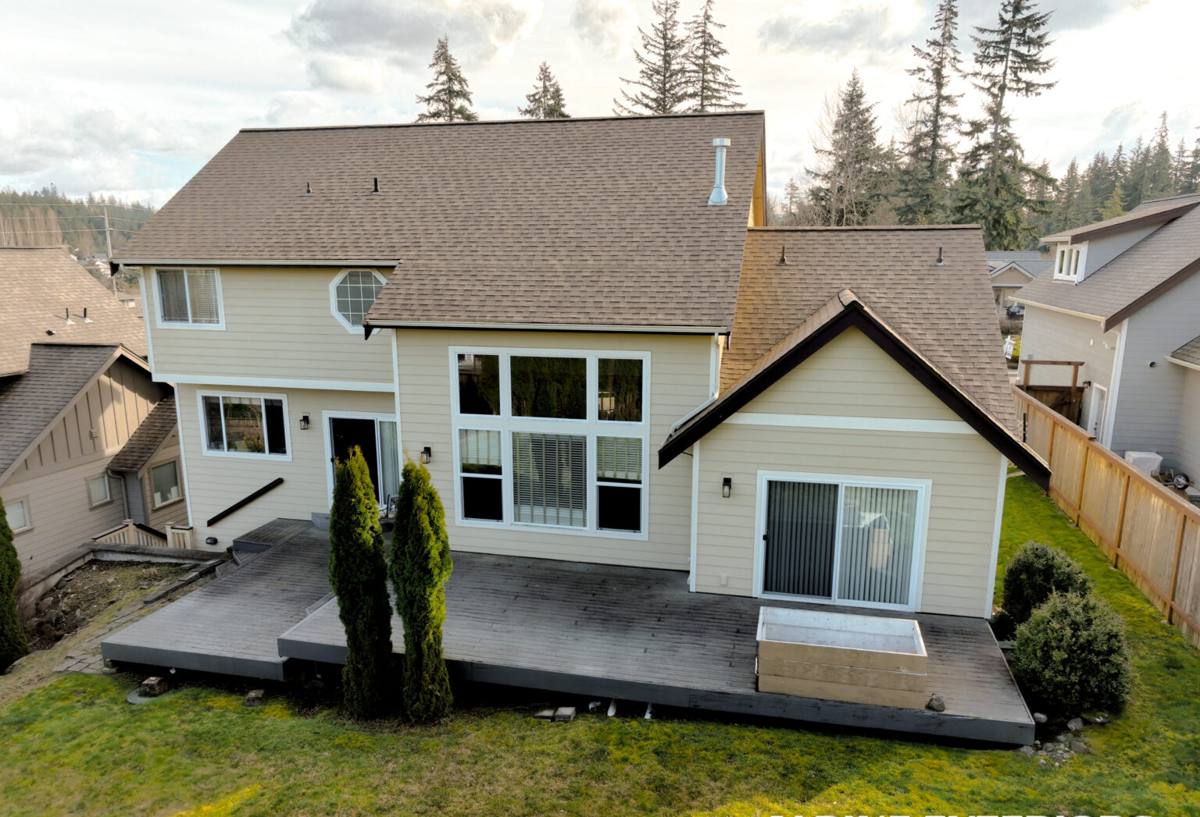
How the Climate Actually Wears Down Windows Here
Moisture Intrusion
Long stretches of damp weather and driving rain put constant pressure on window perimeters. If flashing and sealant weren't installed correctly, water finds its way behind the trim and into the wall cavity long before you see a stain on the interior. By the time you notice soft drywall or a musty smell near a window, the damage has usually been happening for a while.
Moss and Organic Growth
Whatcom County's long moss season isn't just a roofing problem. Moss and algae take hold on window sills, in corner joints, and along exterior trim wherever moisture sits and doesn't fully dry out between rain events. Growth like this holds water against the frame, which accelerates rot in wood components and can degrade sealant over time.
Salt-Influenced Air
Homes with lake or water exposure deal with airborne moisture and mineral content that's harder on exposed hardware, fasteners, and some finishes than drier inland air. It's rarely dramatic, but it shows up over the years as pitted hardware, chalky finishes, or corrosion on lower-grade components.
Temperature Swings and Condensation
Cool, damp mornings followed by warmer afternoons create condensation cycles on window glass and frames. Older single-pane or poorly sealed windows fog up, drip, and eventually contribute to sill rot from the inside out — a problem that has nothing to do with the exterior weather at all.
Signs a Wiser Lake Home Needs Window Replacement
- Visible gaps between the frame and siding, or trim that's separating from the wall
- Soft or spongy wood at the sill, corners, or bottom rail when pressed
- Persistent condensation or fogging between panes on double- or triple-pane units
- Moss or dark staining building up on the sill or lower frame year after year
- Windows that are difficult to open, close, or lock — a sign the frame has shifted or swollen
- Noticeable drafts near the window even when it's fully closed and latched
- Rising heating bills without any other clear explanation
- Paint or finish that's peeling specifically around the window opening, not the wider wall
Any one of these on its own might not mean much. Two or three together, especially on a window facing the prevailing weather, usually means it's time to look closer.
What a Correct Window Installation Actually Involves
Swapping in a new window is straightforward. Installing it so it performs for the next 20-plus years in this climate is where the details matter.
Removal and Opening Inspection
Once the old window is out, the rough opening gets inspected before anything new goes in. This is the point where hidden water damage, rot, or past flashing mistakes get found — and it's far cheaper to fix them now than to seal a new window over a problem that's already there.
Flashing and Water Management
Proper flashing directs any water that gets behind the siding back out, rather than letting it pool at the sill. This includes sill pan flashing, correctly lapped house wrap, and head flashing that sheds water down and away from the opening — done in the right order, not just caulked over afterward.
Air Sealing and Insulation
The gap between the window frame and the rough opening gets insulated and air-sealed, not just stuffed with fiberglass. Done poorly, this is one of the most common causes of drafts and energy loss in an otherwise good window.
Fastening and Leveling
A window that's out of level or square will bind, leak, or fail early no matter how good the unit is. Shimming and fastening correctly keeps the window operating smoothly for years.
Interior and Exterior Finish
Trim, caulking, and paint or stain on the finished product should look clean and tight — but the finish work is the last five percent of the job, not a substitute for what's underneath it.
How Our Process Works for Wiser Lake Homes
- On-site assessment — we look at the existing windows, the exposure of your home to wind and rain, and any signs of moisture damage before recommending anything.
- Straightforward recommendation — we tell you what actually needs replacing versus what can wait, and explain the trade-offs between materials in plain terms.
- Written estimate — a clear scope and price before any work starts, no surprise add-ons.
- Careful removal and opening inspection — we don't assume the wall behind an old window is in good shape; we check.
- Installation with proper flashing and sealing — built for this climate's rain and moisture load, not a generic install.
- Final walkthrough — we operate every window with you before we consider the job finished.
Window Frame Materials: What Holds Up Here
| Material | Moisture Performance | Maintenance | Best Fit |
|---|---|---|---|
| Vinyl | Good — won't rot, handles damp climates well | Low; occasional cleaning | Most Wiser Lake homes; strong value for the climate |
| Fiberglass | Excellent — very stable in temperature and moisture swings | Low | Homes with high wind/rain exposure or larger window openings |
| Wood (clad exterior) | Good on the exterior face; interior wood needs protection from condensation | Moderate to high | Homeowners prioritizing a traditional interior look |
| Aluminum | Poor thermal performance; can promote condensation | Low, but prone to corrosion near water | Rarely our recommendation for this area |
We install a range of quality window lines and don't push a single brand. What matters more than the label is the frame material's fit for a wet, moss-prone climate and whether the installer sealed and flashed it correctly — a mid-grade window installed right will outperform a premium window installed carelessly.
What Affects the Cost of a Window Replacement
| Factor | Why It Matters |
|---|---|
| Number and size of windows | Larger openings and more units mean more material and labor |
| Frame material | Vinyl is generally the most cost-effective; fiberglass and wood-clad cost more upfront |
| Condition of the rough opening | Hidden rot or water damage found during removal adds repair time |
| Glass package | Double-pane vs. triple-pane, and low-E coatings, affect both cost and performance |
| Access and site conditions | Second-story or hard-to-reach windows take more time to install safely |
| Trim and finish work | Matching existing interior trim or exterior siding detail adds labor |
We won't quote a whole-house number over the phone without seeing the windows — too many of these factors only show up in person. What we can tell you honestly is that replacing a handful of failing windows now is almost always cheaper than waiting for water damage to spread into the surrounding wall.
Why Local Experience at Wiser Lake Matters
A window installer who mostly works in drier climates, or who hasn't spent time on homes with this kind of wind and rain exposure, can install a technically fine window that still underperforms here — because the flashing detail, sealant choice, or sill design wasn't matched to the conditions. Crews who work Whatcom County regularly know what the long moss season does to sills, how driving rain behaves against a west- or lake-facing wall, and which details are worth the extra ten minutes versus which corners are truly fine to leave alone.
That local pattern-recognition is the difference between a window that looks good on install day and one that's still tight and dry after five wet winters.
After Installation: Keeping Windows Performing
- Rinse sills and tracks periodically to keep moss and organic debris from building up
- Check exterior caulking once a year for cracking or separation, especially after a hard winter
- Keep gutters and downspouts clear so runoff isn't sheeting down over window heads
- Wipe down interior condensation promptly during cold snaps to protect sills and trim
- Trim back vegetation that keeps a window shaded and damp for long stretches of the day
If you're noticing drafts, fogging, moss buildup, or a window that's simply hard to operate, we're happy to take a look and give you a straight answer — whether that's a repair, a replacement, or just some maintenance. Reach out for a free, no-pressure estimate using the form below.