 Lynden Siding
 Roofing Around Wiser Lake Isn't Like Roofing in Town
Wiser Lake sits just outside Lynden proper, and homes here deal with a roofing environment that's a step tougher than a typical in-town lot. Mature tree cover around the shoreline keeps roofs shaded for long stretches of the day, which sounds pleasant until you realize shade means slower drying. Add the marine-influenced weather that moves through Whatcom County off the Salish Sea — driving rain, salt-tinged air on stormier days, and long gray stretches from fall through spring — and you've got a recipe for roofs that hold moisture longer than they should. That combination is exactly what accelerates moss, algae staining, and premature wear on asphalt shingles that weren't installed with this specific climate in mind.
A roof replacement out here needs to account for all of that from the start: material choice, ventilation, underlayment, and drainage all matter more around the lake than they would on an open, sun-exposed lot closer to town.
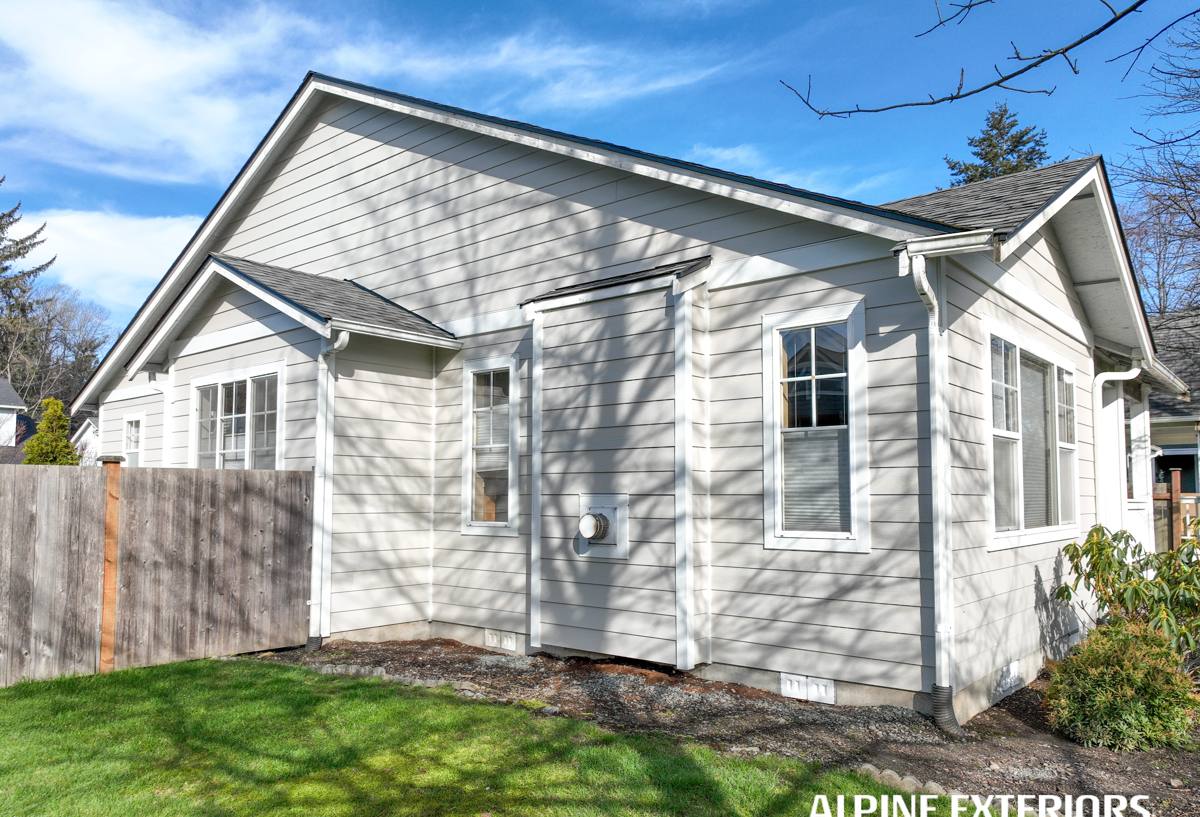
What This Climate Actually Does to a Roof
Moss and Algae
Moss doesn't just sit on a roof looking bad — it lifts shingle edges, holds water against the surface, and works into nail lines over time. Around Wiser Lake, the combination of shade and humidity gives moss a long growing season, and once it establishes itself on a north-facing slope it tends to keep coming back unless the roof was set up to resist it.
Prolonged Moisture Exposure
Roofs in full sun get to dry out between storms. Roofs under tree cover near the lake often don't — they stay damp for days after a rain event, which is hard on shingle granules, wood decking, and any fasteners that aren't fully corrosion-resistant.
Wind-Driven Rain
Storms coming off the water can push rain sideways under poorly sealed shingle tabs and around flashing that's just adequate rather than done right. This is where a lot of "mystery leaks" actually start — not from a hole in the roof, but from rain finding its way in laterally at a valley, a vent boot, or a wall-to-roof transition.
Debris Load
Overhanging branches near the lake mean more needles, leaves, and limbs landing on the roof and clogging valleys and gutters. Clogged drainage backs water up under shingles, which is one of the more common causes of interior leaks we see on lakeside properties.
What a Correct Roof Replacement Involves
A roof replacement is more than stripping old shingles and nailing down new ones. Done right, it's a system, and every layer has a job:
- Full tear-off — removing old roofing down to the deck so we can actually see what's underneath, rather than layering over hidden rot or damage.
- Deck inspection and repair — soft, delaminated, or water-stained sheathing gets replaced before anything new goes down. Skipping this is how "new roofs" fail early.
- Ice-and-water shield in vulnerable areas — valleys, eaves, and roof-to-wall transitions get a self-adhering waterproof membrane, not just felt paper, since these are the spots wind-driven rain exploits first.
- Synthetic underlayment across the field — more durable and more water-resistant than old-style felt, and it holds up better during the install if weather rolls in mid-job.
- Proper drip edge and starter strip — these get skipped or done cheaply more often than homeowners realize, and they're what keeps water from wicking back under the first course of shingles.
- Balanced attic ventilation — intake at the eaves, exhaust at the ridge, sized to the attic volume. Without this, moisture gets trapped under the deck from the inside, which speeds up rot regardless of how good the shingles are.
- Correct flashing at every penetration — chimneys, vents, skylights, and wall intersections are where leaks actually start most often, not the open field of the roof.
Choosing Materials for a Shaded, Wet Lot
Not every roofing product performs the same way under heavy shade and moisture. Here's how the common options stack up for a property like the ones around Wiser Lake:
| Material | Moss/Algae Resistance | Moisture Tolerance | Typical Lifespan Here |
|---|---|---|---|
| Standard architectural asphalt | Moderate — depends on granule quality | Good with proper underlayment | 20-25 years |
| Algae-resistant (AR) asphalt shingles | Better — copper/zinc granules discourage growth | Good | 25-30 years |
| Standing seam metal | Excellent — nothing for moss to grip | Excellent, sheds water fast | 40-50+ years |
| Cedar shake (untreated) | Poor in shade — needs frequent maintenance | Absorbs moisture, prone to rot under trees | Highly variable, high upkeep |
We steer most shaded, lake-adjacent homes toward algae-resistant architectural shingles or standing seam metal. Untreated cedar can look great on paper, but under the kind of tree cover common around Wiser Lake it demands a maintenance schedule most owners aren't excited to keep up with — that's a fair trade-off to know about before you commit to it, not a knock on the product itself.
Our Process, Start to Finish
1. On-Site Inspection
We get on the roof, not just the ground. We check the deck condition where accessible, look at ventilation, flashing, and how much moss or granule loss is already present, and note anything specific to your lot — tree overhang, shade patterns, roof pitch.
2. Straightforward Quote
You get a written scope: tear-off, deck repair allowance, underlayment type, material, flashing details, and ventilation plan. No vague line items.
3. Scheduling Around Weather
We watch the forecast and schedule tear-off days when we can get the roof dried in the same day. In a climate that gets driving rain regularly, leaving a deck exposed overnight isn't a risk we take.
4. Tear-Off and Deck Repair
Old materials come off, debris is hauled, and any compromised decking gets replaced before anything else happens.
5. Install
Underlayment, ice-and-water membrane, flashing, starter course, field shingles or panels, ridge, and ventilation components go in, in that order, to spec.
6. Cleanup and Walk-Through
We magnet-sweep for stray nails, clear debris, and walk the finished roof with you so you know what was done and why.
Cost Factors to Expect
Every roof is priced on its own specifics, but these are the variables that move the number most on a Wiser Lake property:
| Factor | Why It Matters |
|---|---|
| Roof size and pitch | More surface area and steeper pitches take more material and labor time |
| Number of existing layers | Tearing off two layers of old shingles costs more than removing one |
| Deck condition | Rot or soft sheathing found during tear-off adds repair cost, but it's cheaper to fix now than to cover it up |
| Material choice | Standard asphalt, algae-resistant asphalt, and metal all sit at different price points |
| Tree cover and access | Overhanging branches near the lake sometimes require trimming or extra care to protect the property during tear-off |
| Ventilation upgrades | Adding proper intake/exhaust venting where none existed is a worthwhile add, not just an upsell |
Most full replacements on a typical single-family home here land in a broad mid-four to low-five-figure range depending on those factors — we'll give you an exact number after we've actually seen the roof, not a phone estimate.
Why a Crew That Already Works This Area Matters
Roofing around Wiser Lake isn't identical to roofing on a bare, sunny lot in town, and a crew that hasn't dealt with heavy shade, lake moisture, and moss buildup will often underestimate ventilation needs or skip the extra flashing detail that this climate demands. A crew that already works Lynden and the surrounding Whatcom County lake communities knows to check for these conditions without being told, knows which products actually hold up under tree cover, and isn't guessing at how the local weather pattern behaves through the fall and winter storm season. That familiarity shows up in fewer callbacks and a roof that's built for the lot it's actually on.
Keeping Your New Roof Performing
A correct install gets you most of the way there — a little seasonal attention keeps it performing for the long haul:
- Clear valleys and gutters at least twice a year, more often if you're under heavy tree cover
- Trim back branches that overhang the roofline to cut down on debris and shade-driven moss
- Have moss treated or gently removed before it spreads, rather than after it's established
- Walk the exterior after major windstorms and check for lifted or missing shingles
- Have flashing and roof penetrations checked every couple of years, especially around chimneys and vents
- Confirm attic ventilation isn't blocked by insulation or storage — airflow is what keeps moisture from building up underneath the deck
If your roof around Wiser Lake is showing granule loss, moss buildup, or you're just past its expected service life, we're happy to take a look and walk you through what we find — no pressure, no obligation. Use the form below to request a free estimate.