 Lynden Siding
 Window Installation Built for Acme's Weather
Acme sits in the wooded, low-lying country east of Lynden, where the terrain traps moisture differently than the open flats closer to town. Homes out here deal with long stretches of damp, overcast weather, driving rain that comes in sideways during winter storms, and a moss and mildew season that can stretch for months longer than it does in drier parts of the county. Windows take the brunt of all of it — they're the weak point in an otherwise solid wall system if they aren't installed correctly the first time.
A window replacement here isn't just a cosmetic upgrade. It's a chance to fix the moisture entry points, drafts, and rot that generic installs leave behind. This page covers what Acme homes specifically need from a window installation, what a correct job actually involves, and how our process is built around the realities of this part of Whatcom County.
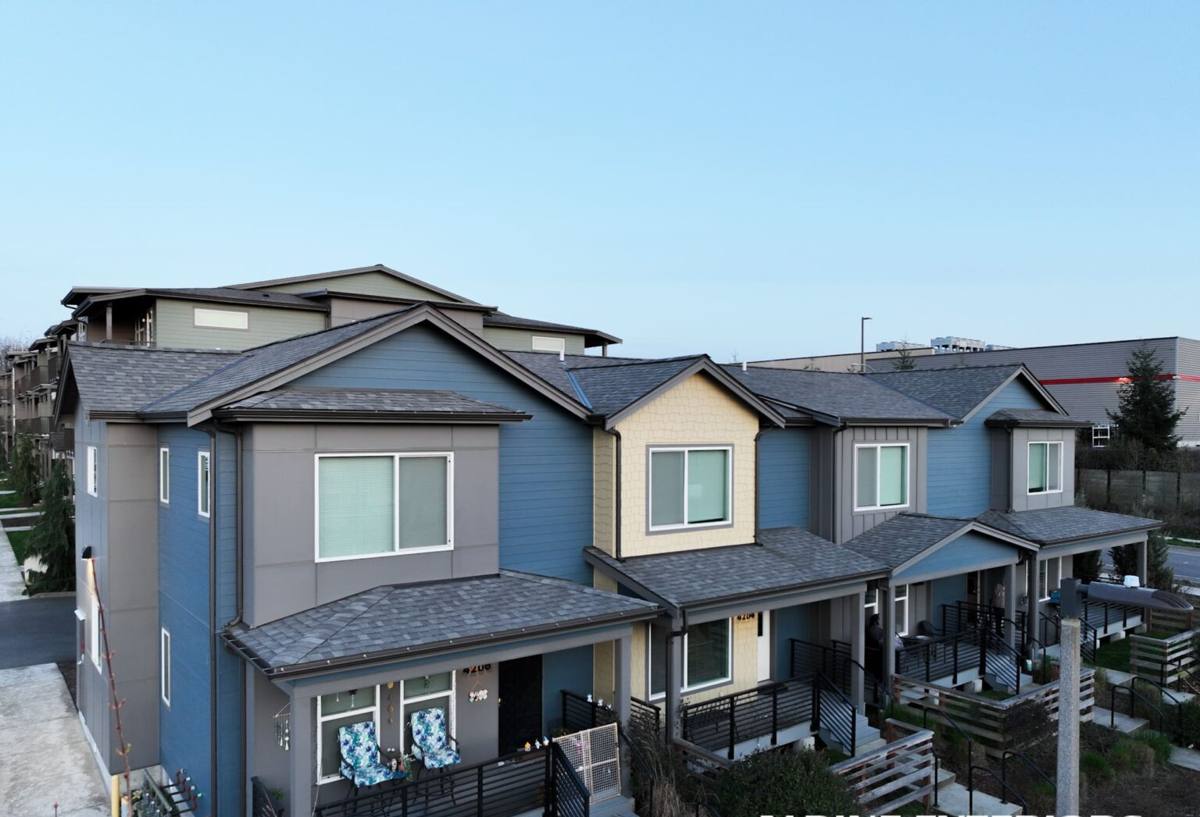
What Acme's Climate Demands From a Window
Constant Moisture Exposure
Between the Nooksack drainage, surrounding tree cover, and Whatcom County's overall rainfall totals, Acme homes stay damp longer after a storm than homes in more open, wind-exposed areas. That extended damp period is exactly what moss, algae, and mildew need to take hold on sills, trim, and any exposed wood around a window opening. If a window isn't flashed and sealed properly, that moisture doesn't stay on the surface — it works its way behind the trim and into the framing.
Driving Rain and Wind-Driven Water
Winter storms in this part of the county regularly push rain sideways, not straight down. A window that only sheds water from above and ignores wind-driven water from the side is a leak waiting to happen. This is one of the most common installation mistakes we find when replacing older windows — the original install assumed calm, vertical rainfall that Whatcom County simply doesn't deliver most of the year.
Temperature Swings and Condensation
Cold, wet air outside and a warm, humid interior create a lot of condensation pressure on window glass and frames, especially in homes with wood stoves or homes that were built before modern vapor barrier standards were common. Poorly insulated window openings show this first — as fogging, dripping sills, and eventually soft or discolored trim.
Signs Your Windows Are Due for Replacement
Homeowners in the Acme area often wait longer than they should because early symptoms look minor. Here's what we'd flag on an inspection:
- Green or black staining on the sill, trim, or siding directly below a window
- Soft or spongy wood when you press on the sill or lower frame corners
- Visible daylight or a noticeable draft around the frame edges
- Condensation building up between panes (a sign the seal has failed)
- Windows that are difficult to open, close, or lock
- A musty smell in the room that doesn't go away with cleaning
- Peeling paint or bubbling on interior trim near the window
Any one of these can usually be repaired if caught early. Several at once, or moss growth that keeps returning after cleaning, usually means the window and its surrounding flashing have already let water in behind the surface.
What a Correct Window Installation Actually Involves
Removing and Inspecting the Opening
We don't just pull the old window and drop a new one in the same hole. Every opening gets checked for hidden rot, soft sheathing, or old flashing that's already failed. In a climate like this one, skipping that step means sealing a moisture problem inside the wall instead of fixing it.
Flashing and Water Management
This is the single most important part of the job for a home in Acme's climate. Proper flashing directs water down and out, layered so each piece sheds onto the one below it — never taped in a way that traps water against the sheathing. We pay particular attention to the sill pan, since that's where wind-driven water collects and where most long-term rot starts.
Insulation and Air Sealing
The gap between the window frame and the rough opening needs to be filled with the right material — not stuffed with excess fiberglass, which can actually hold moisture against the frame. Done correctly, this step also cuts down on drafts and condensation on the interior side of the glass.
Fastening, Shimming, and Squaring
A window that isn't shimmed level and square will operate poorly and stress the seals over time, which shortens its service life regardless of how good the window itself is. We check every unit for square, plumb, and proper operation before we consider the install finished.
Choosing the Right Window for This Part of the County
Frame material matters more here than in drier climates, since the frame is exposed to sustained dampness for a large part of the year. Here's how the common options compare for a home in Acme's conditions:
| Frame Material | Moisture Resistance | Maintenance | Notes for This Climate |
|---|---|---|---|
| Vinyl | Good — won't rot | Low | Solid all-around choice; consistent performance in damp, mossy conditions |
| Fiberglass | Very good | Low | Handles temperature swings and moisture with minimal expansion or contraction |
| Wood / Wood-Clad | Depends on cladding and upkeep | High | Attractive but requires more diligent maintenance in a long, wet moss season |
| Aluminum | Prone to condensation | Moderate | Conducts cold, which increases interior condensation risk — generally not our first recommendation here |
We don't push one brand over another — the right choice comes down to your home's exposure (how much direct rain and shade it gets), your budget, and how much upkeep you're willing to do. What we do insist on is proper flashing and installation technique, because even the best window on the market will fail early if it's installed wrong.
Glass Package Considerations
Double-pane windows with a low-E coating cover most of what an Acme home needs — they cut down on heat loss and reduce condensation risk compared to older single-pane units. Triple-pane glass adds further insulation value and is worth discussing for north-facing rooms or homes further from direct sun exposure, though it comes at a higher upfront cost.
Our Installation Process
- On-site assessment — we inspect existing windows, openings, and surrounding trim for hidden damage before quoting anything.
- Measurement and product selection — we help you weigh frame material, glass package, and budget against your home's actual exposure.
- Opening prep — removal of the old unit, repair of any rot or soft sheathing found underneath.
- Flashing and sill pan installation — layered to shed wind-driven water, not just vertical rain.
- Window setting — shimmed, squared, and fastened to manufacturer spec.
- Insulation and air sealing — gap filled correctly around the full perimeter.
- Trim and finish work — exterior trim resealed and finished to shed water away from the new unit.
- Final walkthrough — every window is opened, closed, and checked for smooth operation before we call the job done.
Why It Matters to Hire a Crew That Already Works in Acme
A lot of window problems we get called out to fix weren't caused by a bad product — they were caused by an installer who treated Acme's conditions the same as a dry, wind-exposed lot in another part of the county. Flashing details that hold up fine in a low-rainfall area aren't enough here. A crew that already works this area knows to slow down on the sill pan, use the right sealants for sustained damp exposure, and check for the early signs of rot that this climate produces before they become expensive repairs.
That local familiarity also means we're not guessing at how a house in this area will perform through a full wet season — we've seen what holds up and what doesn't, and we build the install around that.
Maintaining Your Windows Once They're In
New windows still need a small amount of seasonal attention in this climate to get their full service life:
- Rinse moss and algae off sills and trim before it builds up a thick layer
- Check exterior caulking annually for cracks or gaps, especially after a hard winter
- Keep gutters and downspouts clear so water isn't sheeting down over window heads
- Trim back vegetation that keeps a window in constant shade and dampness
None of this is a heavy workload — it's the same kind of upkeep any exterior surface needs out here — but a few minutes a season goes a long way toward protecting the investment.
Get a Straight Answer on Your Windows
If you're dealing with drafts, staining, fogged glass, or windows that just don't operate the way they used to, we're happy to take a look and give you an honest read on whether it's a repair or a replacement situation. There's no pressure and no obligation — just a straightforward estimate based on what your home actually needs. Fill out the form below and we'll get in touch to schedule a time.