 Lynden Siding
 Windows Built for Birch Bay's Coastal Conditions
Birch Bay sits right on the water, and that changes what a window has to survive compared to a house a few miles inland. Salt-laden air corrodes hardware and finishes faster than it does anywhere else in Whatcom County. Wind-driven rain off the bay finds gaps and weak flashing that would never get tested on a sheltered lot. And the long, damp moss season here keeps trim, sills, and cladding wet for months at a time, which is exactly the environment that rots wood and swells improperly sealed frames. A window that's "fine" in Lynden or Bellingham can fail early in Birch Bay if it wasn't chosen and installed with that exposure in mind.
This page covers what we actually do differently for Birch Bay homes: the materials we lean on, the installation details that matter most in a marine climate, and how our process works from first look to final walkthrough.
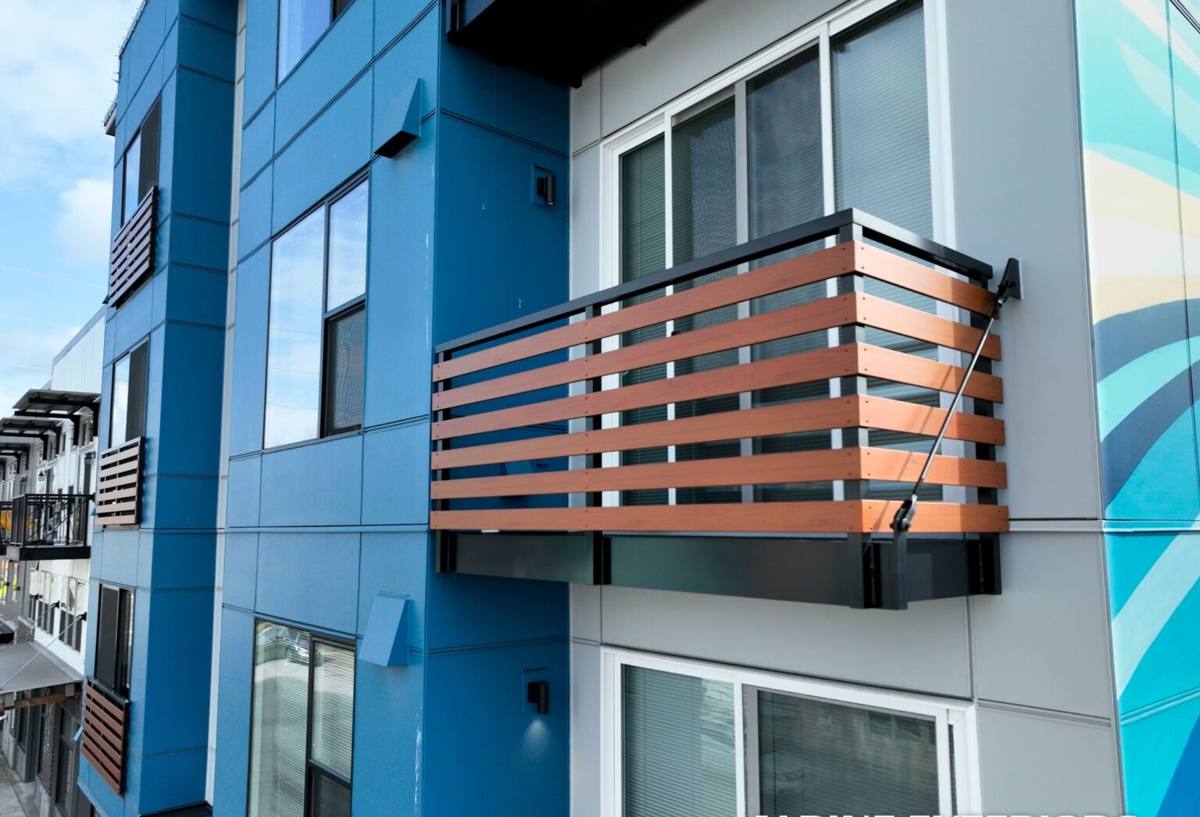
What the Local Climate Does to Windows Over Time
Salt Air and Hardware Corrosion
Salt spray carried on the wind settles on everything, including window hardware. Cheaper steel fasteners, hinges, and cranks pit and corrode within a few years near the water. It's not just cosmetic — corroded hardware binds, and a window that won't open or close smoothly stops sealing correctly, which lets in the moisture it was supposed to keep out.
Driving Rain and Wind Pressure
Storms coming off the bay don't just fall straight down, they push rain sideways into the wall. That means water is testing every seam, joint, and flashing detail around a window opening, not just the glass and frame. A window with a great energy rating but a mediocre installation will still leak in these conditions, because the leak point is almost always the installation, not the product.
Moss Season and Sustained Moisture
Whatcom County's long wet season means wood trim, sills, and any exposed cladding around a window stay damp for extended stretches. Moss and algae hold moisture against surfaces even after the rain stops, which accelerates rot in untreated or poorly sealed wood and keeps humidity elevated right at the window opening.
What a Correct Window Installation Involves
A lot of window problems in this area trace back to installation shortcuts, not bad products. Here's what we consider non-negotiable on every job, especially this close to the water:
- Sill pan flashing under every opening, so any water that gets past the window has a way out instead of soaking into the framing
- Properly lapped weather-resistive barrier and flashing tape, installed shingle-style so water is always directed outward and downward
- Corrosion-resistant fasteners and hardware suited for marine exposure, not standard-grade hardware that's cheaper but won't hold up
- Correct shimming and squaring so the sash operates smoothly for years, not just on install day
- Continuous, compatible sealant beads at the interior and exterior — never just caulk smeared over a gap as a substitute for real flashing
- Insulation packed correctly around the frame, not stuffed too tight or left with voids that create cold spots and condensation
Skip any one of these and the window may look fine for a season or two before problems show up — usually as staining, soft trim, or drafts that are hard to trace back to the real cause.
Choosing the Right Materials for a Bay-Facing Home
Material choice matters more here than it does inland. The table below reflects what we've found holds up best in Birch Bay's salt-air, high-moisture environment, and what tends to need more attention.
| Frame Material | Salt Air Performance | Maintenance | Best Fit |
|---|---|---|---|
| Vinyl | Good — won't corrode or rust, resists salt exposure well | Low — occasional rinsing | Most Birch Bay homes, especially wind-exposed sides |
| Fiberglass | Very good — highly stable, resists warping and pitting | Low | Homes wanting a wood-look profile without wood's upkeep |
| Aluminum-clad wood | Fair — cladding protects the exterior, but any breach exposes wood to rot | Moderate to high | Homeowners set on a wood interior look who accept more upkeep |
| Bare wood | Poor in direct salt/moss exposure without diligent upkeep | High — regular repainting and sealing required | Sheltered elevations only, generally not our first recommendation on the water side |
We're not against wood-look windows — plenty of homeowners want that character. Our standard is being honest about the maintenance commitment that comes with it in this specific climate, and steering exposed, weather-facing walls toward materials that don't depend on a repainting schedule to stay sealed.
Hardware and Glass Considerations Specific to This Area
Beyond the frame itself, a few details matter more in Birch Bay than they would a few miles inland:
Hardware Finish
Standard mill-finish or painted steel hardware corrodes faster in salt air. We favor corrosion-resistant coatings and stainless or treated components on cranks, locks, and hinges for anything facing the water.
Weep Systems
Weep holes let any water that gets into the frame drain back out. In a high-rain, wind-driven environment, keeping these clear and correctly sized is more important than in drier climates — a blocked weep system turns a well-built window into a slow leak.
Glass Package
Double- or triple-pane glass with a quality low-E coating helps manage the condensation that comes with our humid, moss-season air, and cuts down on the heat loss that a bay-facing home with more wind exposure will otherwise fight all winter.
Our Process, Start to Finish
- On-site assessment. We look at each opening's exposure — which walls take direct wind and rain off the bay, where moss and algae are already collecting, and where existing trim or sills show signs of moisture damage.
- Product selection. We walk through material and glass options based on that exposure, budget, and the look you want — not a one-size-fits-all recommendation.
- Careful removal. Old windows come out without tearing up more of the surrounding wall than necessary, and we check the framing and sheathing underneath for any hidden rot before installing anything new.
- Flashing and weatherproofing first. Before the new window goes in, we address the sill pan, house wrap integration, and flashing details — this is the step that determines whether the window stays dry for the next 20 years.
- Installation and sealing. The window is set, shimmed, and sealed with the fastener and sealant choices appropriate for a marine climate.
- Final walkthrough. We test operation, check seals, and make sure everything is cleaned up before we call the job done.
Why a Crew That Already Works Birch Bay Matters
Window installation quality depends heavily on judgment calls — how much flashing overlap a given wall needs, whether a sill has hidden rot, how a specific corner detail should be handled. A crew that regularly works this stretch of Whatcom County has already seen how salt air, wind direction off the bay, and moss buildup play out on real homes here, not just in a training manual. That experience shows up in fewer callbacks and fewer surprises once the siding or trim goes back on around the new window.
We also know the practical side: permitting expectations in Whatcom County, how to sequence window work around siding or trim replacement, and what local building conditions tend to reveal once an old window comes out.
Signs Your Current Windows Are Losing the Battle
Not sure if replacement is worth considering yet? These are the signs we see most often on Birch Bay homes before an owner calls us:
- Soft or discolored trim and sills around the window frame
- Hardware that's stiff, corroded, or won't latch fully
- Visible condensation between panes, which usually means a failed seal
- Persistent drafts even with the window fully closed and locked
- Moss or algae staining that keeps returning on the sill or exterior casing
- Noticeable temperature difference near the window compared to the rest of the room
Cost Factors to Expect
Every home is different, but these are the main factors that move the price of a window project up or down. We'll walk through specifics for your home during a free estimate rather than quoting broad numbers here.
| Factor | Why It Matters |
|---|---|
| Frame material | Vinyl generally costs less upfront than fiberglass or clad-wood options |
| Window size and count | Larger openings and whole-house projects have different labor and material needs than single replacements |
| Condition of existing framing | Hidden rot found during removal adds repair work before a new window can go in correctly |
| Glass package | Triple-pane and specialty low-E coatings cost more than standard double-pane glass |
| Wall exposure | Bay-facing walls may call for upgraded flashing and hardware, which affects labor and material costs |
Get a Free, No-Pressure Estimate
If your windows in Birch Bay are showing wear from salt air, driving rain, or a few too many wet moss seasons, we're happy to take a look and walk you through honest options — no pressure, no upsell. Use the form below to request a free estimate and we'll get back to you to schedule a time that works.