 Lynden Siding
 Storm Damage Roof Repair Built for Maple Falls Conditions
Maple Falls sits up against the foothills of the North Cascades, and that location shapes what happens to a roof here. Homes get more tree cover than roofs closer to town, more shade that keeps things damp longer after a storm, and weather that funnels through the valley with real force. Add in the driving rain and long moss season that affect roofs across Whatcom County, and you have a recipe for damage that is easy to underestimate until water finds its way inside.
Storm damage repair is not a one-size-fits-all job. A roof that took a direct hit from wind-driven rain needs a different response than one with a few lifted shingles from a gust, and a roof that has been quietly growing moss under the trees for two seasons is often hiding problems a homeowner never sees from the ground. This page covers what storm damage repair actually involves for homes in and around Maple Falls, how we approach it, and what to look for so you're not caught off guard the next time a system rolls through.
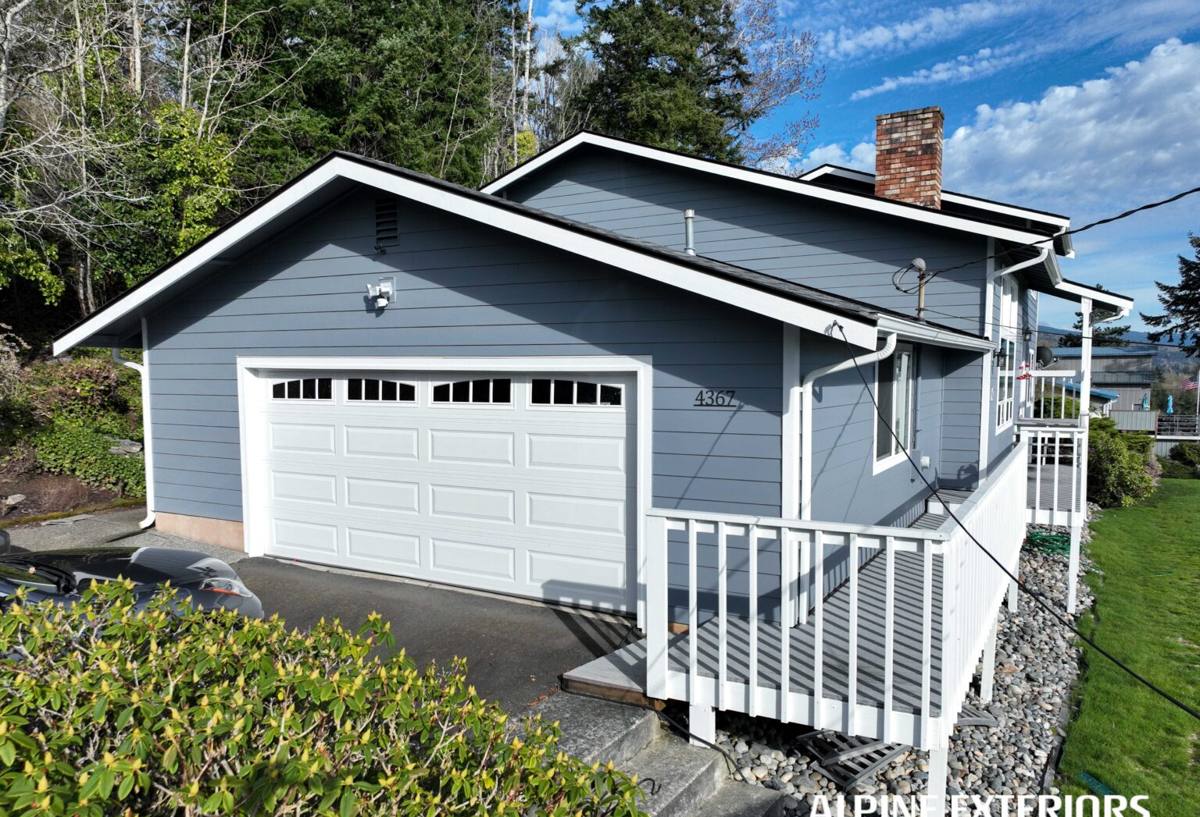
Why Storm Damage Shows Up Differently in Maple Falls
Tree Cover and Moisture
Heavier tree canopy means roofs here stay shaded and damp longer after a storm passes. That extended moisture window is exactly what moss and lichen need to establish, and once moss gets a foothold it holds water against the roofing material, works into seams, and accelerates wear in spots that would otherwise be fine.
Wind Funneling Through the Valley
Storm winds moving through foothill terrain don't always behave the way they do out on flatter ground. Gusts can hit roofs at odd angles, catching edges and ridge lines that weren't designed to take wind from that direction, which is a common cause of lifted or torn shingles that homeowners assume "shouldn't have happened" given the storm's overall strength.
Driving Rain and Wind-Driven Moisture
The driving rain common across this part of Whatcom County doesn't fall straight down — it pushes sideways under shingle edges, around flashing, and into any gap that's opened up over time. This is why storm damage often shows up as a leak days or weeks after the actual weather event, once water has had time to work its way through a compromised spot.
Salt Air's Reach
Even at a distance from open water, the salt-laden air that moves through this region contributes to faster corrosion on exposed metal — flashing, fasteners, and vents included. It's a slower factor than wind or rain, but it's part of why fasteners and flashing loosen sooner here than they might in a drier inland climate.
What Storm Damage Actually Looks Like
Visible Signs
- Shingles that are curled, cracked, torn, or missing entirely
- Granules collecting in gutters or at the base of downspouts
- Dented or creased metal flashing around chimneys, vents, and valleys
- Debris, broken branches, or dented surfaces from falling limbs
- Visible sagging along the roofline or at the edges
Hidden Signs
The damage that costs homeowners the most is usually the kind you can't see from the ground. Wind can lift a shingle just enough to break its seal without tearing it off, leaving a gap that lets water in during the next rain while the roof still looks intact from the driveway. Flashing can shift slightly at a joint and go unnoticed until a ceiling stain appears inside. This is why a proper storm damage inspection means getting on the roof, not just looking up at it.
What a Correct Repair Actually Involves
A Real Inspection First
Before any repair starts, we check the full roof system — not just the spot that's obviously damaged. Storms rarely cause an isolated problem; wind that lifted one section often stressed the surrounding area too, and we'd rather find that now than have you call us back in three months.
Matching Materials, Not Just Patching
A repair that uses the wrong shingle profile, mismatched flashing metal, or the wrong fastener pattern creates a weak point that fails again in the next storm. We match materials to what's already on your roof whenever possible, and we're upfront when an exact match isn't available so you can decide how to handle it.
Underlayment and Flashing, Not Just Shingles
Shingles are the part everyone notices, but underlayment and flashing are what actually keep water out once a shingle has been compromised. A repair that replaces damaged shingles but ignores torn underlayment or bent flashing underneath is a repair that leaks again.
Fastening for Wind, Not Just Weather
Given how wind moves through this terrain, we pay close attention to fastening patterns during repairs — proper nail placement and count matter more here than on a roof in a more sheltered location.
Our Repair Process
1. Inspection and Documentation
We assess the full roof, photograph the damage, and give you a clear, written explanation of what we found — useful for your own records and often necessary if you're filing an insurance claim.
2. A Straightforward Repair Plan
You get an honest recommendation: repair where repair makes sense, and a clear explanation if we think a section needs more than a patch. We don't pad a repair into a bigger job than it needs to be.
3. The Work Itself
Repairs are done with attention to how they'll hold up against the next storm, not just how they look when we're done — proper flashing integration, correct fastening, and sealing details that match the rest of your roof system.
4. Cleanup and Follow-Up
We clear debris, check gutters and downspouts for granules or blockage caused by the storm, and let you know if we spotted anything else worth keeping an eye on.
Repair vs. Replacement: How to Think About It
Not every storm-damaged roof needs a full replacement, and not every roof can be safely patched forever. Here's how we help homeowners think through the decision:
| Factor | Leans Toward Repair | Leans Toward Replacement |
|---|---|---|
| Age of roof | Under 10-12 years, otherwise sound | Nearing or past typical lifespan |
| Extent of damage | Localized to one area or slope | Widespread across multiple sections |
| Moss/moisture history | Minimal prior moss or granule loss | Long-term moss damage found under storm damage |
| Underlying decking | Solid, no soft spots | Soft, rotted, or water-stained decking |
| Material availability | Matching shingles still available | Discontinued product, poor color/profile match |
We'll walk you through where your roof falls on this list rather than defaulting to whichever option is bigger.
Working With Insurance on Storm Claims
Many storm repairs in this area are at least partly covered by homeowners insurance, but coverage depends on your policy, your deductible, and how the damage is classified. We're not your insurance adjuster and won't promise a claim outcome, but we can provide clear documentation, photos, and a written scope of damage that makes the claims process easier on your end. If you're unsure whether damage is worth filing a claim over, we'll give you an honest read on the scope before you make that call.
Why It Matters to Hire a Crew That Already Works This Area
A crew that regularly works roofs around Maple Falls already understands how tree cover, elevation, and valley wind patterns affect a roof differently than a job in open, flat terrain. That familiarity shows up in small but important ways — knowing which areas of a roof tend to take wind damage first, recognizing moss-related deterioration versus fresh storm damage, and understanding how driving rain finds its way into a roof system in this specific climate. It also means a crew that isn't guessing at material availability or travel logistics for your neighborhood — we already know how to get the job done efficiently out here.
Storm Season Checklist for Maple Falls Homeowners
- Walk your property after any significant wind event and look for shingle granules in gutters or on the ground
- Check for visible moss buildup before it spreads, especially on shaded, north-facing slopes
- Look inside your attic (if accessible) for damp insulation or daylight coming through the roof deck
- Keep gutters and downspouts clear so storm runoff doesn't back up under roofing edges
- Trim back tree limbs that hang close enough to strike the roof in high wind
- Call for an inspection after any storm with sustained high winds, even if you don't see obvious damage
Get a Straightforward Look at Your Roof
If a recent storm has you wondering whether your roof needs attention, or you just want a second opinion on something you noticed after the last system came through, we're glad to take a look. We'll give you a clear, honest assessment — repair, monitor, or replace — with no pressure either way. Use the form below to request a free estimate for your Maple Falls home.