 Lynden Siding
 Windows Built for Maple Falls, Not Just Any Job Site
Maple Falls sits up against the foothills east of Lynden, in a part of Whatcom County where the weather behaves differently than it does closer to town. Homes here catch more direct rain off the higher terrain, sit under more tree cover, and stay damp longer into the spring than properties out on the flats. That combination is hard on windows. Frames that would hold up fine in a drier, more open lot can start failing early here if they weren't installed with this specific setting in mind.
We replace windows throughout the Lynden area, and Maple Falls gets treated as its own case, not a smaller version of a town job. The moisture load, the shade, and the moss that creeps onto siding and trim all factor into how we flash, seal, and select materials for a house out this way.
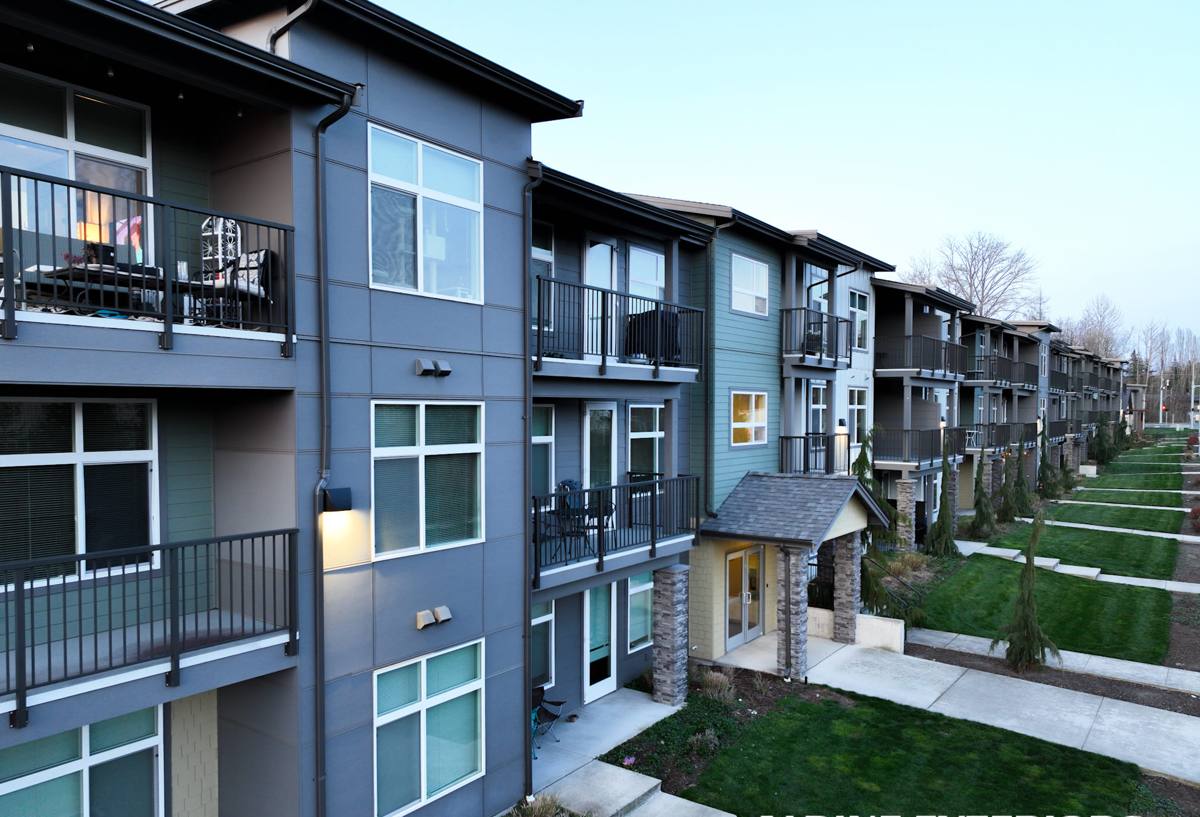
What Whatcom County's Climate Does to Older Windows
Western Washington's marine-influenced climate is wet for most of the year, and Maple Falls gets an extra dose of it from the surrounding elevation. Add in driving rain that comes in sideways during winter storms, and older window installations start showing their age in predictable ways:
- Wood sashes that swell, stick, or start to rot at the bottom corners where water sits longest
- Failed seals on double-pane glass, showing up as fog or condensation trapped between the panes
- Soft or discolored trim and sill areas from years of moisture wicking into end grain
- Moss and algae buildup on north-facing and shaded windows that never fully dry out
- Drafts around old aluminum frames that were never a great fit for this climate to begin with
None of this happens overnight. It's the slow result of years of wind-driven rain finding the same weak points winter after winter. By the time a homeowner notices soft wood or a foggy pane, the water has usually been getting in longer than the visible damage suggests.
Why Shaded, Tree-Heavy Lots Age Windows Faster
A lot of Maple Falls properties have more tree cover than homes closer to central Lynden. That shade keeps siding and window trim damp longer after every rain, which is exactly the environment moss and mildew need to take hold. It's also why we pay close attention to drainage and airflow around the window opening during a replacement — a good window installed without attention to how water moves around it will still struggle in a shaded, moisture-heavy spot.
What a Correct Window Replacement Actually Involves
Swapping in a new window is the easy part. The work that actually determines whether it lasts is everything around the glass — and it's also the part that's easy for a rushed crew to skip.
Inspecting Before We Touch Anything
Before removal, we check the condition of the rough opening, the sheathing behind the old window, and the trim. If there's rot or soft framing from years of water intrusion, that gets addressed before a new window ever goes in. Installing a new window over damaged framing just hides the problem for a while.
Flashing and Water Management
This is the step that matters most in a climate like this. Proper flashing directs any water that gets past the exterior trim back out, rather than letting it collect against the framing. We integrate flashing with the house wrap or building paper correctly — lapped the right direction, sealed at the corners — so water sheds down and out instead of pooling.
Sealing and Insulating the Gap
The gap between the new window frame and the rough opening gets insulated and sealed properly, not just caulked shut and called done. A gap that's packed too tight can bow a frame; one that's left open invites drafts and moisture. We use the right materials for the gap size on each opening.
Exterior Trim and Finish Work
The trim around a window is a big part of what keeps water out long-term. We make sure exterior trim is properly caulked at joints, sloped where it needs to be, and finished in a way that doesn't create a shelf where water and debris — including moss — can collect.
Choosing the Right Window for a Maple Falls Home
There isn't one "best" window for every house — the right choice depends on the home's exposure, existing siding, and budget. Vinyl windows remain a solid, low-maintenance option for most homes in this area because they don't rot and handle moisture well without ongoing upkeep. Fiberglass is a step up in durability and dimensional stability, worth considering on more exposed walls or larger openings. We're selective about wood-clad options in a climate this wet — clad wood can look great, but it demands more disciplined maintenance to keep water from finding its way into the wood core over time, and that's a real ongoing commitment for a homeowner to weigh, not a defect in the product itself.
| Frame Material | Moisture Handling | Maintenance | Best Fit |
|---|---|---|---|
| Vinyl | Excellent — won't rot or corrode | Low — occasional cleaning | Most homes, budget-conscious replacements |
| Fiberglass | Excellent — very stable in temperature swings | Low | Exposed walls, larger openings, longer-term durability |
| Wood-clad | Good if maintained; vulnerable if neglected | Higher — needs regular inspection and sealing | Homeowners wanting a specific wood interior look who'll keep up maintenance |
| Aluminum | Poor — prone to condensation and heat loss | Moderate | Rarely recommended for this climate |
Glass Packages That Make Sense for This Climate
Double-pane, low-E glass with argon fill is the standard we recommend for most Maple Falls homes — it cuts down on heat loss during cold, damp winters and helps reduce condensation on the interior side of the glass, which is a common complaint in homes with poor window seals. For rooms with more direct exposure to wind-driven rain, or for homeowners who want better sound dampening from wind and weather, triple-pane is worth discussing, though it comes at a higher cost and heavier weight per unit.
Our Process for Maple Falls Jobs
- On-site assessment. We look at every window being replaced, check the condition of the surrounding framing and trim, and note any drainage or shade issues specific to the property.
- Straightforward estimate. You get a clear breakdown of window selection, labor, and any framing repair that's needed — no vague allowances that turn into surprises later.
- Scheduling around the weather. Window replacement means openings are exposed to the elements during the swap. We plan around forecasted rain rather than pushing through it.
- Careful removal and inspection. Old windows come out cleanly, and we inspect the opening before anything new goes in.
- Correct installation. Flashing, insulation, sealing, and trim work are done to hold up against this area's rain and moisture, not just to pass a quick visual check.
- Cleanup and walkthrough. We walk the finished work with you before we consider the job done.
Why Local Experience in Maple Falls Matters
A crew that mostly works drier, more open parts of Whatcom County can still do competent work — but a crew that regularly works homes in the foothills around Lynden already knows what to expect: more shade, more standing moisture, more moss pressure on trim and siding, and rain that hits at angles a flatter lot rarely sees. That familiarity shows up in small decisions during the job — how flashing gets lapped, how much clearance gets left for drainage, which sealants hold up under sustained dampness rather than just looking good on install day. Those aren't things you can fully account for from a general checklist; they come from having done the work in this specific setting before.
Signs It's Time to Replace, Not Repair
Not every window issue means a full replacement. But a few signs consistently point that direction rather than toward a patch job:
- Fogging or moisture trapped between panes that won't clear — the seal has failed
- Soft, spongy, or visibly rotted wood at the sill or bottom corners of the frame
- Windows that won't stay open, won't latch, or have warped enough to bind
- Persistent moss or dark staining on the frame or sill that keeps coming back after cleaning
- Noticeable drafts or cold spots near the window even with it fully closed
- Rising energy bills with no other clear explanation
If you're only seeing one of these on an otherwise solid window, a repair might make sense. If you're seeing several, or the surrounding framing shows water damage, replacement is usually the more honest recommendation — and we'll tell you which situation you're in rather than upselling a job you don't need.
Get a Straight Answer for Your Maple Falls Home
Every property out this way handles moisture a little differently depending on tree cover, exposure, and the age of the existing windows. If you're noticing drafts, fogged glass, or trim that's starting to go soft, it's worth getting an honest look before the damage spreads further into the framing. Reach out for a free, no-pressure estimate using the form below, and we'll walk you through exactly what your windows need.