 Lynden Siding
 Board & Batten Siding for Nooksack Homes
Nooksack sits in a stretch of Whatcom County where farmhouses, newer country builds, and in-town homes all share the same exposure: damp Pacific air moving in off the water, long stretches of steady rain, and a growing season for moss and algae that can run nine months out of the year. Board and batten is one of the most popular siding profiles we install out here, and for good reason — the vertical lines suit both older agricultural-style homes and newer construction, and the wide, flat boards give a house real visual weight without looking busy. But board and batten is also a profile where the installation details matter more than most, and that's especially true in a climate that never really dries out for long.
This page covers what board and batten siding actually needs to hold up in the Nooksack area, what a correct installation looks like, and how our crew approaches these jobs specifically in this part of Whatcom County.
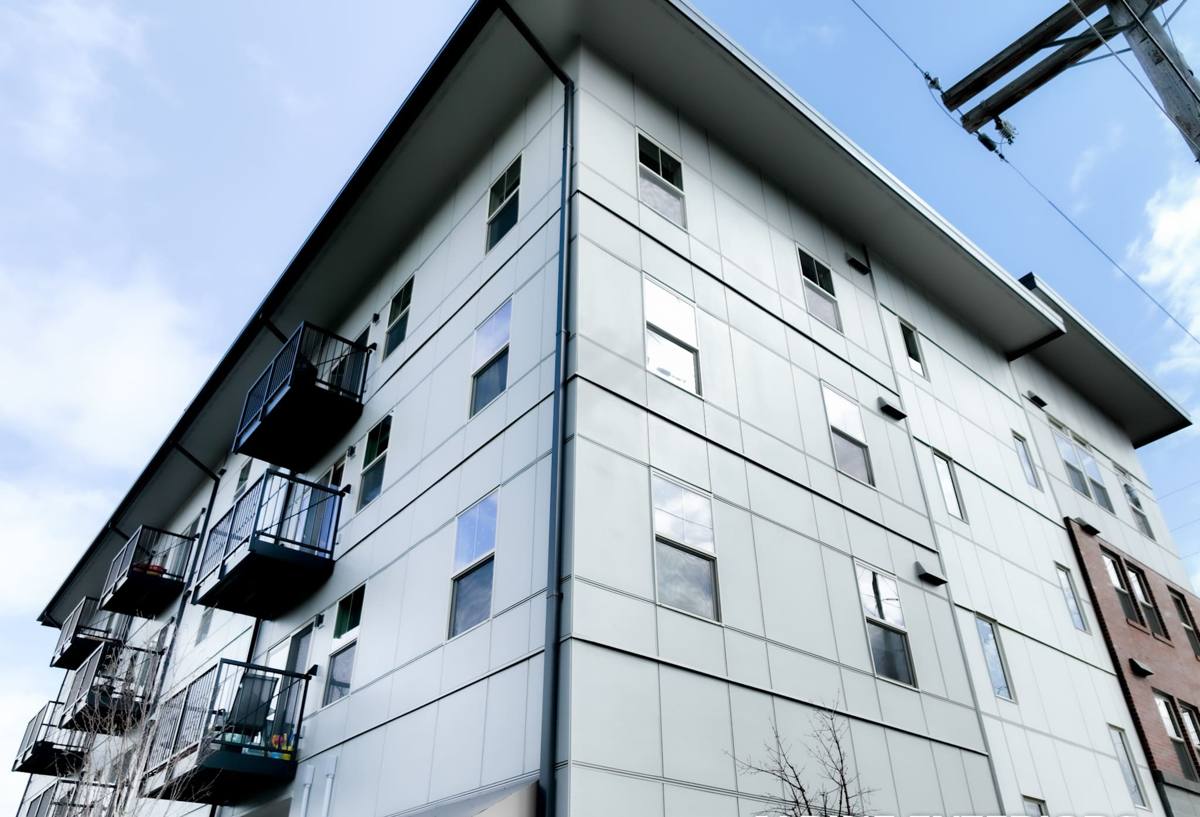
Why the Nooksack Climate Is Tougher on Siding Than It Looks
Nooksack doesn't get hurricanes or hailstorms, so it's easy to assume the siding here has an easy life. In practice, three things wear on exterior materials year-round:
- Salt-laden marine air that moves inland off Bellingham Bay and the Salish Sea, accelerating corrosion on fasteners and metal flashing that aren't rated for coastal exposure.
- Driving rain that comes in at an angle during fall and winter storms, pushing water sideways into seams and laps rather than just running straight down the face of the wall.
- A long moss and algae season — cool, shaded, moisture-holding surfaces here can stay damp for weeks at a stretch, which is exactly the environment moss, mildew, and algae need to establish themselves.
None of that is exotic. It's just relentless. A siding product or installation detail that would be fine in a drier climate can fail here in a fraction of the time, because it never gets a real chance to dry out between rain events.
What This Means Specifically for Board & Batten
Board and batten's defining feature — vertical seams covered by narrower battens — is also its most vulnerable point if it's built wrong. Every vertical seam is a place water can find its way behind the cladding if the gap, the flashing, or the fastening pattern isn't right. On a horizontal lap siding, gravity is doing a lot of the work keeping water moving down and off the wall. On board and batten, a poorly sealed or improperly spaced seam can let wind-driven rain track sideways and behind the boards, where it has nowhere obvious to go.
What a Correct Board & Batten Installation Involves
A board and batten job that's built to last in this climate isn't complicated, but it does require getting a handful of things right, in order:
1. Weather-Resistive Barrier and Drainage Plane
Before any siding goes up, the wall needs a continuous weather-resistive barrier, properly lapped and taped at seams, with a drainage gap behind the siding so any moisture that does get past the cladding has a path to drain and dry rather than sitting against the sheathing.
2. Panel and Batten Layout
Board spacing has to account for the fiber cement panel's engineered expansion and contraction. Battens are set to the manufacturer's specified gap and fastening pattern — not eyeballed — because that gap is part of how the assembly manages moisture and movement over time.
3. Flashing at Every Penetration and Transition
Windows, doors, hose bibs, light fixtures, and the transition points where the wall meets the roofline, deck, or foundation all need proper flashing and integration with the drainage plane. This is where the majority of real-world moisture problems start on any siding job, board and batten included.
4. Corrosion-Resistant Fasteners
Given the marine air that reaches inland into Whatcom County, fastener quality is not a place to cut corners. Fasteners rated for coastal or high-moisture exposure cost more up front and avoid the streaking, staining, and eventual failure that comes with fasteners that weren't built for this environment.
5. Factory-Applied Finish
Because board and batten has more visible seams and edges than a lap profile, the quality of the paint or finish system matters even more. A factory-baked finish holds its line and color at cut edges and seams far better than a finish applied on site after installation.
Our Nooksack Board & Batten Process
We approach every board and batten project in Nooksack the same structured way:
- On-site assessment. We look at the existing wall assembly, current siding condition, moisture staining, and any problem areas — especially around windows, decks, and roof transitions.
- Moisture and substrate check. Before new siding goes up, we confirm the sheathing underneath is sound. Board and batten on a compromised substrate just hides a problem instead of solving it.
- Weather barrier and drainage plane installation. This step happens correctly or the rest of the job doesn't matter — it's the layer that decides whether the house stays dry for the next 30-plus years.
- Board and batten installation to manufacturer spec. Correct spacing, correct fastening schedule, correct flashing integration at every opening.
- Final detailing. Caulking, trim, and touch-up work at cut edges, done with products rated for this climate's UV and moisture exposure.
- Walkthrough. We go over the finished work with the homeowner before calling the job done.
Why Hiring a Crew That Already Works Nooksack Matters
Board and batten siding is installed the same basic way anywhere in the country — but the judgment calls that separate a job that lasts 10 years from one that lasts 40 come from knowing the local conditions. A crew that works Whatcom County regularly already knows:
- Which fastener and flashing specs actually hold up against the salt air moving in from the coast, instead of just meeting a generic code minimum.
- How much drainage gap and drying capacity a wall needs when it may not see direct sun for days during a typical Nooksack fall or winter stretch.
- Which shaded, north-facing, or tree-lined walls in this area need extra attention to moss and algae resistance, based on how the sun and rain actually move across a property here versus a drier inland climate.
- How local permitting and inspection expectations run in Whatcom County, so the job doesn't stall on paperwork.
That local pattern recognition is hard to fake. A crew installing their first board and batten job in this climate is, in effect, learning these lessons on your house.
Board & Batten vs. Other Profiles: What Nooksack Homeowners Should Weigh
| Factor | Board & Batten | Traditional Lap Siding |
|---|---|---|
| Visual style | Vertical lines, farmhouse and modern-country look | Traditional horizontal shadow line |
| Seam exposure | More vertical seams to detail correctly | Fewer critical seams; gravity aids drainage |
| Best fit | Homes wanting a distinct vertical accent, gable ends, farmhouse styling | Whole-house cladding, classic curb appeal |
| Installation sensitivity | Higher — spacing and flashing detail matter more | Moderate — well-understood, forgiving profile |
| Moss/algae resistance | Depends on finish quality and drainage detailing | Depends on finish quality and drainage detailing |
Board and batten isn't a "better" or "worse" profile than traditional lap siding — it's a different look with a slightly different set of installation demands. Plenty of Nooksack homes use board and batten as an accent on gables, entries, or a front-facing section while running lap siding elsewhere, which is worth discussing during your estimate if you're not set on full-house coverage.
Why We Only Install James Hardie for This Profile
We install James Hardie fiber cement exclusively, and board and batten is one of the areas where that choice matters most. Hardie's HZ5 product line is engineered specifically for climates like this one — cold, wet, moisture-heavy — and the ColorPlus factory finish holds its color and seals its cut edges far more consistently than field-applied paint, which matters on a profile with this many visible seams. Fiber cement is also non-combustible and dimensionally stable in a way that matters when a board and batten wall is expected to hold tight, straight lines for decades, not just for the first few years after installation.
We don't install vinyl, LP SmartSide, or engineered wood products in this profile. Vinyl board and batten tends to look and perform noticeably differently than genuine fiber cement over time, especially at seams and in direct sun. Wood-based products carry moisture and maintenance trade-offs that are a harder sell in a climate that stays damp as long as this one does. James Hardie's transferable warranty and track record in wet Pacific Northwest conditions are why it's the only product we put our name behind.
A Practical Checklist Before You Hire
- Ask what weather-resistive barrier and drainage plane system will be used behind the siding.
- Ask what fastener type is specified, and whether it's rated for coastal/marine exposure.
- Confirm the batten spacing and fastening schedule will follow the manufacturer's published installation instructions, not a generalized approach.
- Ask how flashing will be handled at windows, doors, and roof-to-wall transitions.
- Confirm whether the finish is factory-applied (like ColorPlus) or will be painted on site.
- Ask for the manufacturer's warranty terms in writing, and whether it's transferable if you sell the home.
If you're weighing board and batten siding for a home in Nooksack, we're happy to walk the property, look at your current siding condition, and talk through what a correct installation looks like for your specific wall exposure — no pressure, no obligation. Fill out the form below to get a free estimate.