 Lynden Siding
 Roof Repair Built for Sumas Conditions
Sumas sits at the edge of Whatcom County where the weather doesn't do anything halfway. Homes here get long stretches of driving rain off and on for months at a time, salt-laden air that works its way inland, and a moss season that can run from early fall clear through spring. A roof that would hold up fine in a drier climate can start failing here years ahead of schedule if it wasn't installed or repaired with this weather in mind. Roof repair in this area isn't just patching a leak — it's understanding why that leak happened in the first place and fixing the actual cause, not just the symptom.
We work on homes throughout this part of Whatcom County, and the roofs we see share a lot of the same wear patterns. That familiarity matters. A contractor who mostly works drier inland regions or does one job in the area and moves on doesn't always catch the small stuff that turns into big problems out here.
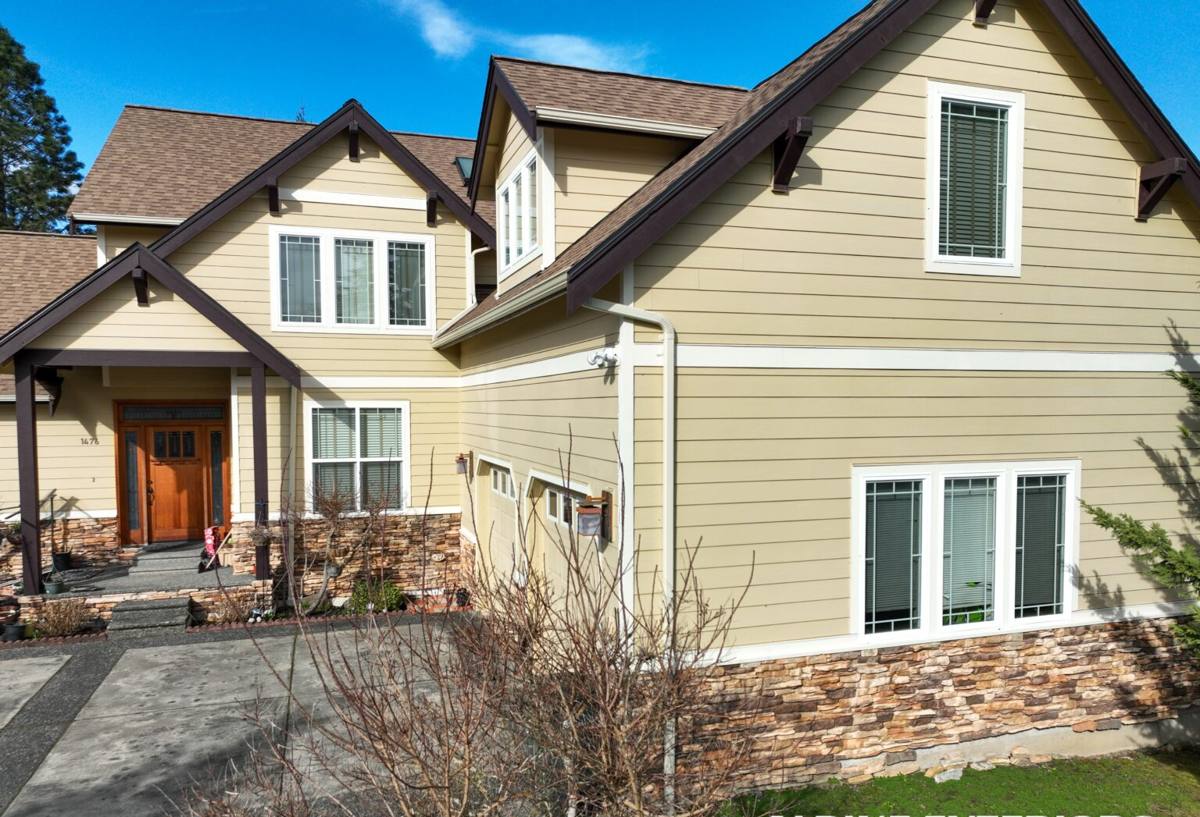
Why Local Roofs Wear Out Faster Than They Should
Moss and Organic Growth
Moss doesn't just look bad — it holds moisture directly against shingles and roof decking, and it works its way under shingle edges and around flashing where it can lift material and create a path for water. A roof with heavy moss coverage is often losing years of usable life every season it goes untreated. Moss season here runs long enough that a roof cleaned once a year usually isn't cleaned often enough if it's under trees or on a shaded north-facing slope.
Driving Rain and Wind-Driven Water
Rain that comes in sideways during a storm finds every weak point in a roof system — lifted shingles, worn boot seals around vent pipes, nail pops, and gaps in flashing that would never leak in a light, straight-down rain. Wind-driven rain is why so many "small" roof repairs actually involve fixing flashing details, not just replacing a few shingles.
Salt Air and Metal Fatigue
Salt-laden air accelerates corrosion on exposed fasteners, flashing, and any unprotected metal roofing components. Over years, this shows up as rust streaking, weakened fastener holding power, and flashing that's thinner and more brittle than it looks from the ground. It's a slow process, which is exactly why it gets missed until it causes a leak.
Freeze-Thaw and Temperature Swings
Whatcom County doesn't get extreme cold for long stretches, but the freeze-thaw cycles that do happen work water that's already trapped under shingles or in cracked sealant, expanding and contracting it until small problems become bigger ones.
What a Correct Roof Repair Actually Involves
A repair done right starts with figuring out where the water is actually getting in — which is often not directly above where the stain shows up inside. Water travels along decking and rafters before it drips, so a repair that only addresses the visible ceiling spot without tracing the path back to the source will fail again.
- Full roof inspection, not just a look at the reported problem area
- Identifying the actual entry point — flashing, shingles, vent boots, valleys, or decking
- Checking attic ventilation and insulation where accessible, since poor airflow contributes to moisture problems and premature aging
- Matching repair materials to the existing roof system so the repair blends and performs consistently
- Reinforcing flashing and sealing details in a way that accounts for wind-driven rain, not just standard rainfall
- Cleaning up moss and debris in the repair area so the fix isn't undermined again within a season
Skipping any of these steps is how a homeowner ends up paying for the same repair twice.
Our Roof Repair Process in Sumas
1. Inspection and Honest Assessment
We look at the whole roof, not just the spot you called about. Sometimes a leak in one area is actually pointing to a problem somewhere else on the roof that hasn't shown up inside yet.
2. Clear, Written Estimate
You get a straightforward explanation of what's wrong, what we recommend, and what it costs before any work starts. If a repair isn't the right call — because the roof is old enough or damaged enough that repair money would be better spent toward replacement — we'll tell you that directly instead of patching something that's on its way out anyway.
3. The Repair Itself
We match materials to your existing roof, address the root cause (not just the visible symptom), and pay particular attention to flashing, seals, and transitions — the details that fail first in wind-driven rain and salt air.
4. Cleanup and Walkthrough
We clear debris, remove moss from the work area, and walk you through what was done and what to keep an eye on going forward.
Repair or Replace? How We Help You Decide
| Situation | Repair usually makes sense | Replacement usually makes sense |
|---|---|---|
| Roof age | Under 15-20 years, otherwise in good shape | Nearing or past expected lifespan for its material |
| Extent of damage | Isolated to one section or issue | Multiple areas failing, or widespread moss/moisture damage |
| Decking condition | Solid, no rot found during inspection | Soft spots or rot found in decking |
| Shingle condition overall | Rest of the roof still has granule coverage and flexibility | Shingles brittle, curling, or losing granules broadly |
| Frequency of past repairs | First or occasional repair | Repeat leaks in different spots each year |
We'll give you our honest read on which side of this table your roof falls on. Most of the time it's clear-cut once we've actually inspected it.
What Affects Roof Repair Cost
Every roof and every repair is different, so we don't quote a number without seeing the roof, but the main factors that move cost up or down are consistent:
| Factor | Why it matters |
|---|---|
| Roof pitch and access | Steeper or harder-to-access roofs take longer and require more safety setup |
| Extent of moss or moisture damage | Damage that's spread into decking costs more to correct than surface-level issues |
| Material match | Older or discontinued shingle styles can be harder to match, affecting both cost and appearance |
| Flashing and detail work involved | Valleys, chimneys, and vent penetrations take more labor than open field shingle repair |
| Number of separate repair areas | Multiple isolated leaks cost more than a single, contained repair |
Why It Matters to Hire a Crew That Already Works This Area
A crew that regularly does roof repair work in and around Sumas already knows what this climate does to a roof over time. That means we're not guessing at whether moss growth is cosmetic or structural, or whether a stain on the ceiling means a five-minute fix or a full section of decking needs attention. We know what materials hold up to salt air and driving rain here and which ones need extra attention at the details to perform the way they're supposed to.
It also means we're accountable locally. We're not driving in from out of the area for one job — we're doing this work in this county on an ongoing basis, and our reputation here depends on doing it right the first time.
Maintenance Checklist Between Repairs
A few habits go a long way toward avoiding emergency repair calls in the first place:
- Have moss treated or removed at least once a year, more often on shaded or north-facing slopes
- Keep gutters clear so water isn't backing up under the lower shingle courses
- Trim back tree limbs that keep sections of the roof shaded and damp
- Have the roof inspected after any major windstorm, even if you don't see obvious damage from the ground
- Check attic insulation and ventilation periodically — poor airflow speeds up moisture problems and shingle aging
- Address small leaks right away rather than waiting for warmer, drier weather
When to Call for Roof Repair
Not every roof issue is obvious from the driveway. Watch for these signs:
- Water stains or discoloration on ceilings or upper walls
- Visible moss buildup, especially in valleys or along shaded edges
- Granules collecting in gutters or at downspout outlets
- Shingles that look lifted, curled, or are missing after a storm
- Rust staining near flashing, vents, or metal roof components
- Daylight visible through the roof deck from inside the attic
If you're seeing any of these, it's worth having it looked at before the next round of rain makes it worse.
If you're dealing with a leak, moss buildup, or just want an honest read on your roof's condition, we're happy to take a look. Fill out the form below for a free, no-pressure estimate — no obligation, just a clear picture of where things stand.