 Lynden Siding
 Why Bellingham Siding Wears Differently Than You'd Expect
Bellingham sits close enough to the water and open enough to the weather that siding here takes a specific kind of beating. It's not one dramatic storm that does the damage — it's the daily grind of salt-tinged air moving off the bay, driving rain that hits west and south-facing walls at an angle for months at a stretch, and a moss season that runs longer than most homeowners realize. Add in the shade from mature trees on a lot of Bellingham properties, and you've got siding that stays damp longer than siding on a drier, more open lot even a few miles inland in Lynden.
None of that means Bellingham homes need constant repair. It means the repairs they do need tend to show up in predictable places — north and west walls, areas under overhangs that trap moisture instead of shedding it, and spots where trim, flashing, or caulk failed years before anyone noticed. Knowing where to look first is half the job.
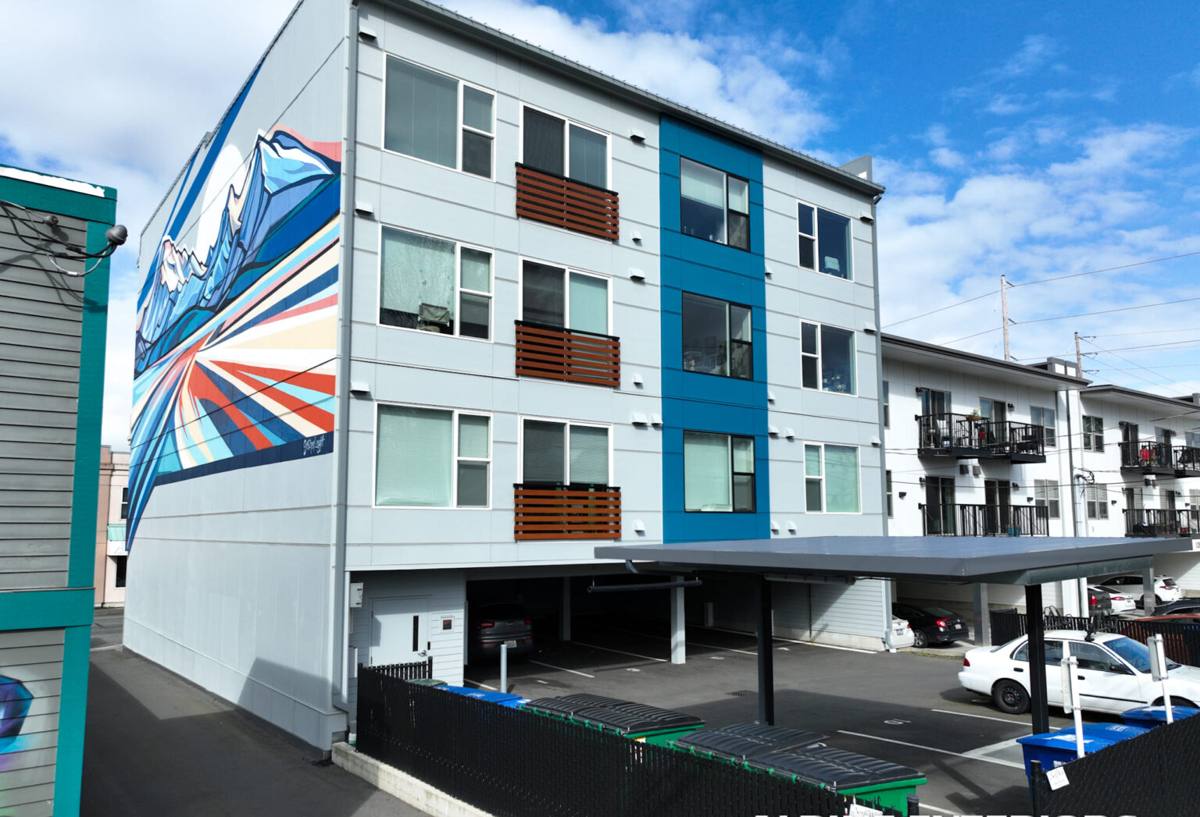
Signs Your Siding Needs Repair, Not Just a Paint Job
A lot of siding problems get papered over with a repaint because the surface looks fine after. That buys a year or two, not a fix. Here's what actually signals repair work is needed:
- Soft or spongy spots when you press on the siding, especially near the bottom courses or around windows
- Visible gaps or separation at seams, corners, or where siding meets trim
- Persistent moss or algae staining in the same spots year after year, even after cleaning
- Paint that's bubbling or peeling in patches rather than fading evenly across the wall
- Warping, cupping, or bowing boards, particularly on older wood or engineered wood siding
- Discoloration or staining on interior walls that lines up with an exterior wall — a sign moisture is already past the siding
If you're seeing more than one of these on the same wall, that's usually not a coincidence — it means water has been getting behind the siding for a while, and the fix needs to address the cause, not just the symptom.
What a Correct Repair Job Actually Involves
Cutting out a bad board and nailing in a new one is the easy part. A repair that actually holds up in Bellingham's climate has to deal with what let the water in to begin with. That usually means:
Finding the real entry point
Water rarely damages siding at the exact spot it entered. It runs behind the panel, follows gravity, and shows up lower down or somewhere else entirely. A repair that doesn't trace the path back to the source — often failed caulking, a gap in flashing, or a nail hole that was never sealed — just sets up the same failure again in a year or two.
Checking the water-resistive barrier and flashing
Behind every siding panel is a weather barrier and, at every window, door, and penetration, flashing that's supposed to direct water back out and away from the wall. If that layer is torn, missing, or was installed wrong the first time, replacing the siding on top of it just delays the next repair call.
Matching materials correctly
Patching in a mismatched product — different thickness, different expansion rate, different finish — creates its own long-term problems, even if it looks fine on day one. A proper repair uses material that behaves the same way as what's around it, or replaces enough of the wall section that mismatches aren't an issue.
Repair vs. Replace: How We Help You Decide
Not every damaged section needs full replacement, and not every "small" repair is actually small once the wall is opened up. Here's the general framework we use when we're standing in front of a Bellingham home:
| Factor | Leans toward repair | Leans toward replacement |
|---|---|---|
| Extent of damage | Isolated to one or two boards/sections | Spread across multiple walls or elevations |
| Underlying material condition | Rest of the siding is sound and holding paint well | Widespread softness, warping, or repeated moss staining |
| Age of existing siding | Under 10-15 years, one localized failure | Original siding nearing or past its expected service life |
| Cause of damage | One-time event (impact damage, a single flashing failure) | Systemic moisture intrusion from a barrier or design issue |
| Material type | Existing product is one we can match reliably | Existing product is discontinued, inconsistent, or one we won't install |
We'll tell you honestly which side of that table your home falls on. If a repair is the right call, that's what we'll recommend — we're not trying to sell every job as a full re-side.
Our Process When We Come Out to Bellingham
Because we're based in Lynden and work Bellingham regularly, we're not learning the area's quirks on your project. Our process on a repair call is straightforward:
- On-site inspection of the damaged area and a walk of the full exterior, since one visible problem often has a sibling somewhere less obvious
- Identifying the actual moisture source, not just the symptom, before we quote anything
- A written scope that separates what needs repair now from what's worth watching
- Repair using materials that match or upgrade what's there, with proper flashing and sealing at every seam we open
- A final check for anything the repair uncovered that changes the picture — we'll tell you if we find more than expected before we just proceed and bill for it
Why We Rebuild Damaged Sections in James Hardie, Not Whatever's Already There
When a repair calls for replacing more than a board or two, we install James Hardie fiber cement — not vinyl, not LP SmartSide, not primed spruce or cedar, regardless of what the rest of the house is. That's a standard we hold across every job, not just new installs, and here's the honest reasoning:
Wood and engineered wood products are exactly the materials most likely to be why you're calling us for a repair in the first place — they're more sensitive to sustained moisture, and Bellingham's damp, shaded microclimates give that moisture plenty of time to work. Vinyl doesn't rot, but it flexes, fades, and can crack in impact areas, and it doesn't hold up structurally the way fiber cement does. James Hardie is non-combustible, engineered specifically for wet climates in its HZ5 product line, and finished with a factory-applied ColorPlus coating that resists the fading and peeling that drives a lot of repeat repair calls.
Where a repair only needs a board or two matched into an existing wall of a different product, we'll do that work honestly and tell you what to expect from the patch. But when the scope grows — a full wall, a full elevation, or a home that's due for a bigger conversation — we'll walk you through why we'd put Hardie there instead, backed by its transferable warranty and track record, not a sales pitch.
What Local Experience in Whatcom County Actually Buys You
A crew that only shows up in Bellingham once or twice a year is guessing at things a local crew already knows: which wall orientations take the worst weather, how long moss actually takes to become a real problem versus a cosmetic one, and which older repair techniques common in this area (like heavy caulk-and-paint patch jobs) tend to fail and why. Being based in Lynden means we're not driving in cold — we've seen how homes throughout Whatcom County age under this specific mix of rain, humidity, and salt air, and that shapes how we diagnose and fix a problem, not just how we install a new panel.
Checklist: What to Ask Before You Hire a Siding Repair Crew
- Will you inspect the whole exterior, or just the spot I pointed to?
- Will you check the flashing and weather barrier behind the damaged section, or just replace the visible siding?
- What material will you use to match or replace, and why?
- Is the quote written, itemized, and clear about what happens if you find more damage once the wall is open?
- Do you carry insurance and are you licensed to work in Washington?
- Can you explain, in plain terms, what caused the damage — not just how you'll patch it?
After the Repair: Keeping Moss and Salt Air From Coming Back
A good repair holds up longer if it gets a little help. Keep gutters clear so water isn't sheeting down the wall behind the siding. Trim back vegetation that's shading a wall and keeping it damp longer than it should be. Rinse off moss and algae buildup before it gets a foothold rather than after, especially on north-facing walls. None of this is a substitute for a proper repair, but it buys real time between now and the next inspection.
If you're seeing signs of trouble on your Bellingham home's siding, we're happy to take a look and give you a straight answer on what it needs — repair, partial replacement, or just monitoring. Reach out for a free, no-pressure estimate using the form below.