 Lynden Siding
 Decks in Custer Take a Different Kind of Beating
Custer sits close enough to the water that homes here deal with a steady drip-feed of salt-laden air on top of everything the rest of Whatcom County already gets: long wet winters, driving rain that comes in sideways more often than straight down, and a moss season that can stretch from October well into spring. A deck built to a generic spec, or one that's simply aged out after fifteen or twenty years, tends to show it here faster than it would in a drier inland town. We've replaced enough decks in this area to know the failure points are predictable, and that a correctly built replacement can go a long way toward not repeating the same problems in another decade.
This page is specifically about deck replacement — not repair, not a new build from scratch on bare ground — for homeowners in Custer who have a deck that's past the point where patching boards or re-staining is going to fix the underlying problem.
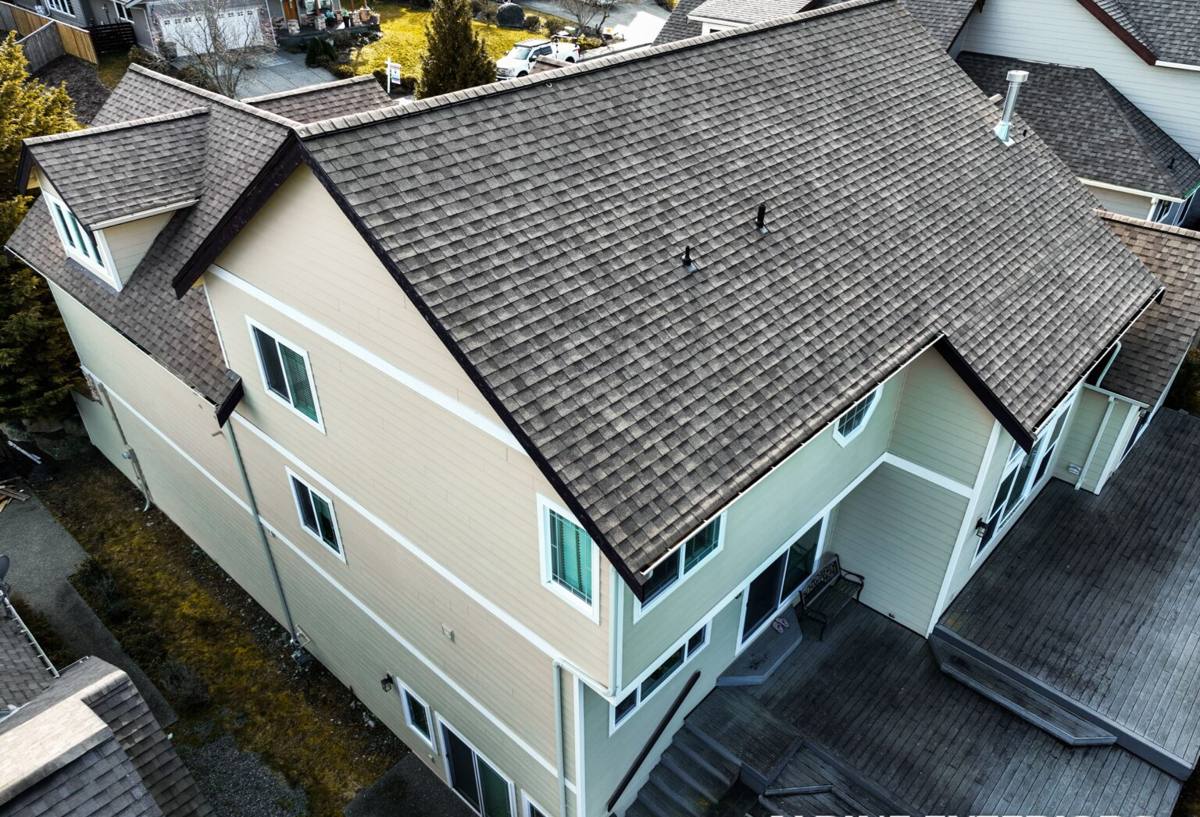
Why Decks Fail Faster Near the Coast
Salt air accelerates corrosion in fasteners and metal connectors long before the visible wood shows serious damage. A deck can look structurally sound on the surface while the ledger board bolts, joist hangers, or post bases underneath are quietly rusting away. Combine that with near-constant moisture from driving rain and the shaded, damp conditions that let moss and algae take hold, and you get a wood surface that stays wet longer after every storm than it would in a drier microclimate. Wet wood that doesn't get a chance to dry out between rain events is exactly what invites rot, and once rot sets into a ledger board or a support post, no amount of surface repair addresses it.
The Usual Failure Points
- Ledger board attachment to the house — the single most common structural failure point on older decks, especially where flashing was skipped or installed wrong originally
- Joist hangers and fasteners — galvanized coatings break down over years of salt exposure and constant moisture
- Support posts at ground contact — where moisture wicks up from the soil and never fully dries
- Decking boards themselves — surface wear that's often more cosmetic than structural, but can mask deeper moisture intrusion below
- Stairs and railings — heavily used, heavily exposed, and often the first things to loosen
Signs Your Deck Needs Replacement, Not Repair
Not every deck problem calls for a full teardown. But there are specific signs that tell us repair would just be delaying the inevitable, and that a proper replacement is the honest recommendation.
- A screwdriver sinks into the ledger board, joists, or posts with light pressure — that's active rot, not surface weathering
- Persistent moss or dark staining that comes back within weeks of cleaning, even in warmer months
- Visible gaps, soft spots, or spring in the decking when you walk across it
- Railings or stair stringers that flex or wobble more than they did a year or two ago
- Rust streaks bleeding out around fasteners or connector hardware
- The deck was built without proper flashing at the house connection — common on older builds and a near-guarantee of eventual ledger rot in this climate
- Multiple past repairs to the same section that haven't held
What a Correct Replacement Involves
Inspection and Honest Assessment
We start by actually getting under the deck and checking the structure, not just the surface boards. That means checking ledger attachment and flashing, probing posts and joists for soft wood, and looking at how the deck drains water away from the house. If a deck can genuinely be repaired instead of replaced, we'll say so — replacement isn't the answer to every problem, but when the structure has failed, patching it is a waste of money.
Structural Rebuild, Not Just New Boards
A real replacement means new framing where it's needed, corrosion-resistant fasteners and hardware rated for exterior and coastal exposure, and proper ledger flashing so water is directed away from the house rather than trapped behind the board. Skipping the ledger flashing step is the single most common shortcut that leads to hidden rot within a few years, and it's invisible once the decking is down — which is exactly why it matters who's doing the work underneath what you can see.
Drainage and Airflow
Decks that stay wet longest are the ones with poor airflow underneath and nowhere for water to go but back into the wood. We account for spacing, slope, and ground clearance during replacement so the new structure has a fighting chance against the next several winters of driving rain, rather than recreating the same trapped-moisture conditions that killed the old deck.
Choosing the Right Decking Material for This Climate
Material choice matters more here than in a dry climate, because the difference between a low-maintenance and high-maintenance material shows up fast when moss and moisture are working against you year-round.
| Material | Moisture/Moss Resistance | Maintenance | Typical Lifespan | Relative Cost |
|---|---|---|---|---|
| Pressure-treated lumber | Good if sealed regularly; prone to moss without upkeep | Annual cleaning and re-sealing recommended | 10-15 years | Lowest upfront |
| Cedar | Naturally moderate rot resistance, but still needs sealing near the coast | Regular cleaning, periodic staining/sealing | 15-20 years | Mid-range |
| Composite decking | Very good; doesn't absorb moisture like wood | Occasional washing to prevent surface algae/moss film | 25-30 years | Mid-to-high |
| PVC/capped polymer | Excellent; essentially non-porous | Low — occasional washing | 25-30+ years | Highest upfront |
There's no single "correct" material for every homeowner — budget, appearance preference, and how much upkeep you actually want to do all factor in. Where we push back is on skipping sealing and maintenance on wood species entirely and expecting composite-level performance; wood decks in this climate need a maintenance routine, and we'll tell you honestly what that routine looks like before you commit to a material.
Fasteners and Hardware: Where Corners Get Cut
This is the part homeowners rarely see and contractors sometimes skip to save cost. Standard galvanized fasteners degrade faster near the coast than inland. We use stainless or high-grade coated fasteners and connectors rated for coastal/marine-adjacent exposure on ledger bolts, joist hangers, and structural hardware, because replacing a deck only to have the hardware rust out in five years defeats the purpose of doing the job right the first time.
Permits and Code in Whatcom County
Deck replacement — particularly when it involves rebuilding structural framing, ledger attachment, or changes to railing height and stair configuration — typically falls under Whatcom County permitting requirements. A local crew that regularly pulls permits in this area knows what inspectors are looking for, which avoids the delays that come from a first-time submission getting kicked back. We handle the permit process as part of the job rather than leaving it for the homeowner to sort out.
Our Process, Start to Finish
- Free on-site inspection — we get under the deck, check the structure, and give you a straight answer on repair versus replacement
- Written estimate — scope, material options, and timeline explained in plain terms
- Permitting — handled on our end where required
- Demolition and disposal — old structure removed, ledger area exposed and inspected for hidden damage before anything new goes up
- Rebuild — new framing, corrosion-resistant hardware, proper ledger flashing, and drainage-conscious construction
- Decking, railing, and finish work — installed to the material manufacturer's spec, including fastening patterns and expansion gaps for composite/PVC products
- Final walkthrough — we go over care and maintenance for whatever material you chose so it holds up through the next wet season
Maintenance After Replacement
Whatever material you choose, a few habits make a real difference in Custer's climate:
- Clean moss and algae buildup at least once before winter and once in spring — don't let it sit and hold moisture against the surface
- Keep gutters and downspouts near the deck clear so runoff isn't dumping extra water onto or under the structure
- Reseal wood decking on the manufacturer's recommended schedule, not just when it looks faded
- Check railing and stair connections annually for looseness — the first sign of a fastener issue is usually a slight wobble, not a failure
- Keep vegetation trimmed back from the deck edges so airflow underneath isn't blocked
Why Hire a Crew That Already Works in Custer
A contractor who works this specific area regularly already knows how the local exposure to salt air and driving rain shows up in real deck failures — not from a manual, but from having pulled apart enough old decks in Whatcom County to see the pattern repeat. That means fewer surprises during demolition, a materials conversation grounded in what actually holds up here rather than generic marketing claims, and a permitting process that doesn't stall because someone's unfamiliar with the county's requirements. It also means we're not guessing at what "coastal-grade" hardware or flashing needs to look like — it's just how we build every deck in this area.
If your deck in Custer is showing soft spots, persistent moss, loose railings, or rust around the hardware, it's worth getting a straight assessment before another wet season makes the decision for you. We offer a free, no-pressure estimate — use the form below to get started.