 Lynden Siding
 Windows Built for Abbotsford's Wet Coast Climate
Abbotsford sits close enough to the water and low enough in the Fraser Valley that its windows take a beating most inland homes never see. Salt-tinged air moving up from the coast, long stretches of driving rain off the Pacific systems, and a moss season that can run half the year all work against wood sashes, tired weatherstripping, and aging seals. Homes here don't fail because the windows are old in a calendar sense — they fail because moisture found a way in and nobody caught it until the frame was soft.
We work this area regularly, and the pattern repeats: single-pane or early double-pane units installed decades ago, original caulking long gone brittle, and condensation that's been quietly staining the drywall below the sill for a year or two before anyone calls. Window replacement done right in this climate isn't just a cosmetic upgrade — it's a moisture-management job first and a comfort upgrade second.
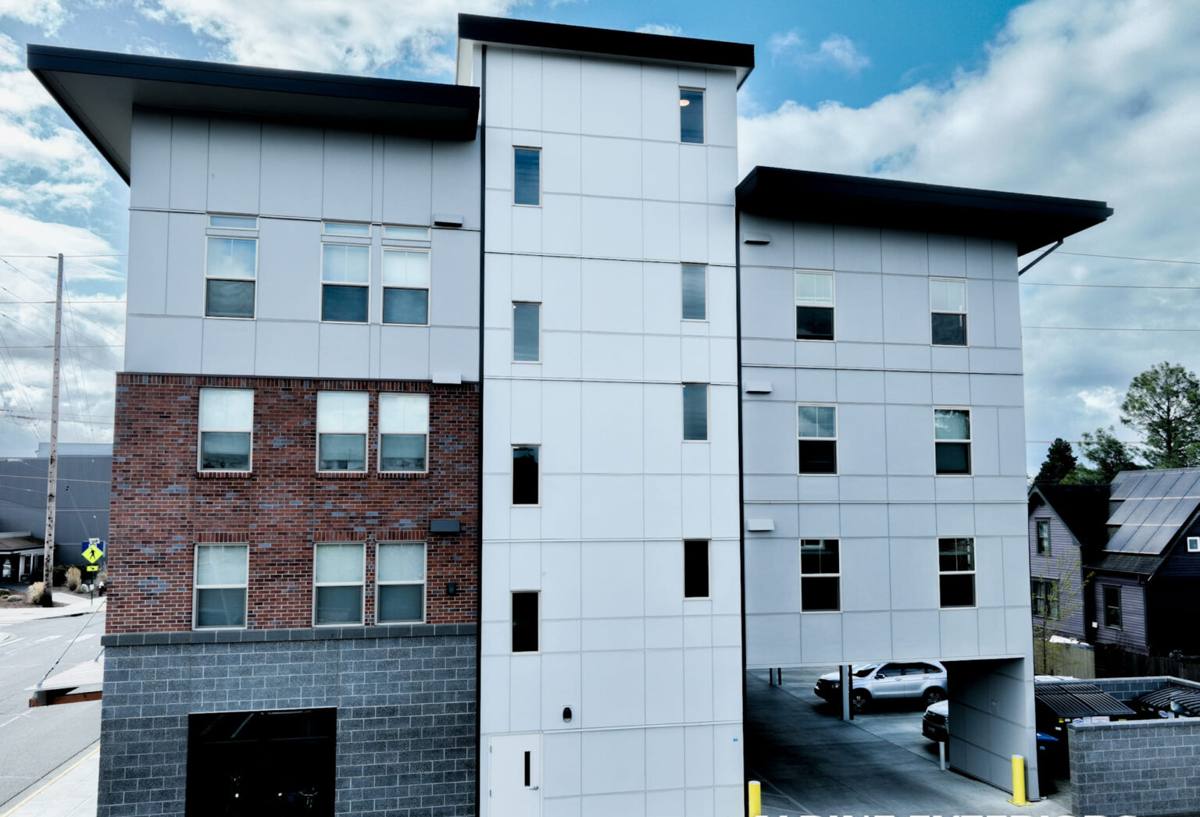
Signs an Abbotsford Home Needs Window Replacement
Most homeowners wait too long because the symptoms look minor at first. Here's what actually points to a window system that's failed, not just aged:
- Condensation or fog trapped between the panes — the seal is gone and the argon or air gap is compromised
- Soft or discolored wood at the sill or lower corners of the frame
- Visible daylight or a draft you can feel with your hand along the frame edge
- Moss or dark streaking on the exterior trim below the window, a sign water is running down the wall instead of shedding off the sill
- Windows that are hard to open, won't stay up, or no longer latch tight
- A noticeable jump in heating costs with no other explanation
Any one of these on its own might just mean a repair. Two or three together, especially condensation plus soft wood, usually means the unit and the flashing around it both need to come out.
Why Old Flashing Is the Real Problem
Swapping the glass unit but leaving decades-old flashing and building paper in place is the single most common shortcut we see undone later. Water doesn't care how new the window is if it's getting behind the frame through a flashing detail that was never right to begin with. In a climate with this much sustained rain, the flashing and sealant work around the opening matters as much as the window itself.
What a Correct Window Replacement Job Involves
A proper replacement is a sequence, not a single step, and skipping any one of these is how call-backs happen two winters later.
- Remove the old unit and inspect the rough opening. This is where hidden rot or soft framing shows up — it needs to be dealt with before anything new goes in, not covered over.
- Check and correct the flashing. Sill pan flashing, house wrap integration, and proper shingle-lap order (each layer overlapping the one below) so water sheds outward and never behind the cladding.
- Set the new window plumb, level, and square. A unit that's slightly racked will bind, won't seal evenly, and will wear its weatherstripping unevenly within a few years.
- Insulate the gap correctly. Low-expansion foam or backer rod and sealant around the perimeter — packed too tight and it can bow the frame, left too loose and it's a thermal gap.
- Seal and finish the exterior. Proper caulking at the right joints only — sealing every seam shut can trap moisture that needs a path to escape.
- Finish the interior trim and confirm the sash operates smoothly, locks fully, and closes tight against the weatherstripping.
Every one of those steps is invisible once the job's done and the trim is painted. That's exactly why it matters who's doing the work — you're trusting what you can't see.
Choosing the Right Frame Material
There's no single "best" window material — the right choice depends on budget, how much upkeep you want to take on, and how exposed the wall is to weather. Here's how the common options stack up for a coastal-influenced climate like Abbotsford's:
| Material | Moisture Behavior | Maintenance | Typical Lifespan |
|---|---|---|---|
| Vinyl | Won't rot or corrode; handles rain and humidity well | Low — occasional cleaning | 20–30 years |
| Fiberglass | Excellent stability, minimal expansion/contraction in temperature swings | Low | 30–40 years |
| Wood | Needs consistent paint/finish upkeep to resist moisture intrusion | High — refinishing every few years | Varies widely with upkeep |
| Wood-clad (wood interior, metal/vinyl exterior) | Good, provided the exterior cladding and flashing details are done correctly | Moderate | 25–35 years |
| Aluminum | Prone to condensation without a thermal break; can corrode near salt air over time | Moderate | 20–30 years |
For most Abbotsford homes we see, vinyl or fiberglass make the most sense — they shrug off the region's rain and humidity without asking for annual maintenance. Wood and wood-clad windows can look great and perform well too, but only if the homeowner is committed to keeping the finish maintained. We'll walk through the honest trade-offs for your specific home rather than push one product line.
Glass Packages Worth Considering
Double-pane, low-E glass with argon fill is the standard baseline for this climate — it cuts heat loss and reduces condensation risk on the interior pane. Triple-pane adds further insulation value but at a real cost premium; it's worth it on north-facing walls or rooms with a history of cold drafts, less necessary elsewhere. We'll size the glass package to the wall, not sell the same spec on every window in the house.
Our Process, Start to Finish
We keep the process straightforward and predictable, because the last thing a homeowner needs mid-project is surprises:
- On-site assessment — we measure every opening, check for rot or moisture damage, and note anything unusual about the wall assembly
- Written estimate — clear pricing broken out by window, material, and any framing repair needed, no vague allowances
- Scheduling around weather — openings are only exposed for as long as necessary, and we plan around forecasted rain
- Removal and inspection — old units come out, rough openings get checked and repaired if needed
- Installation and flashing — done to the sequence above, no shortcuts on the parts that don't show
- Final walkthrough — every window opens, closes, and locks the way it should before we call the job done
Why Local Experience in Abbotsford Matters
A crew that only occasionally crosses into the Fraser Valley is learning the local conditions on your project. We already know what this area's rain patterns, moss growth, and older housing stock tend to throw at a window install — the flashing details that hold up here, the wall assemblies common in different eras of Abbotsford construction, and how much lead time weather requires when scheduling an install.
We're based out of Whatcom County, just south of the border, and Abbotsford is well within our regular service area — this isn't a special trip for us, it's a route we run often. That means straightforward scheduling, a crew that shows up knowing the climate they're building for, and no learning curve at your expense.
Maintaining New Windows in a Wet Climate
Even a correctly installed window benefits from a little seasonal attention in a climate this wet:
- Clear debris and moss from the sill and surrounding trim before it holds moisture against the frame
- Check exterior caulking annually for cracking or gaps, especially after a hard winter
- Test operation each season — a sash that sticks may mean the weatherstripping needs adjustment before it wears unevenly
- Watch for any new condensation between panes — it's the earliest sign a seal has failed
- Keep gutters and downspouts clear so runoff isn't sheeting down the wall past the windows
What to Expect for Cost and Timeline
Costs vary by window size, frame material, glass package, and whether any rot repair is needed at the opening — we won't quote a number without seeing the actual windows and walls involved. In general, straightforward vinyl replacements run at the lower end, fiberglass and wood-clad options in the middle to upper range, and any homes needing significant framing repair will cost more regardless of window brand. Most single-window replacements take a matter of hours; a whole-house project is typically scheduled over a few days depending on window count and any framing work uncovered along the way.
If you're noticing drafts, fogged glass, or moss creeping up the trim below your windows, it's worth having someone look before another wet season adds to the damage. We're happy to come out, take a straightforward look at your windows, and put together a free, no-pressure estimate — just fill out the form below to get started.